
Ephemera
Zonaro Paintings
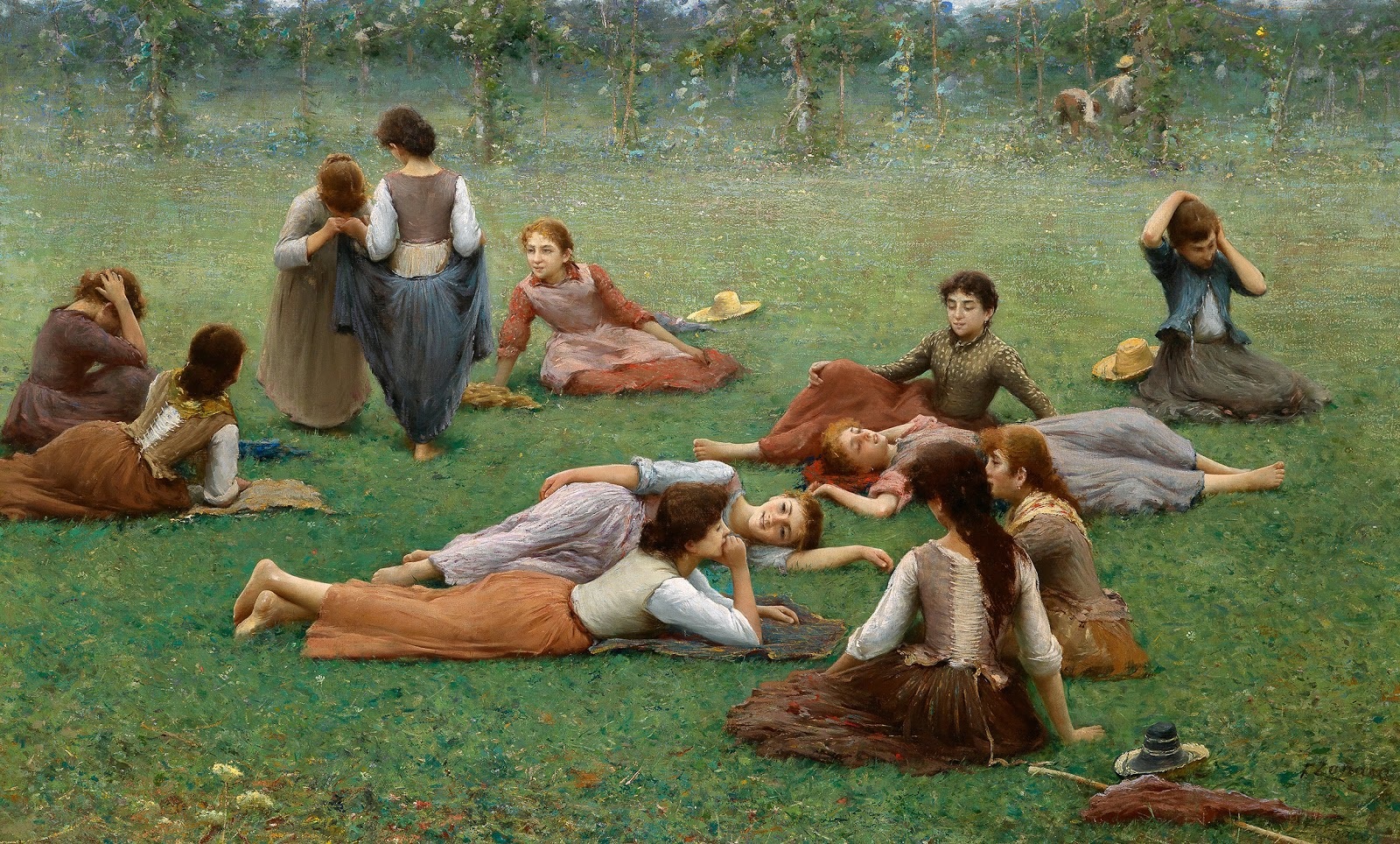
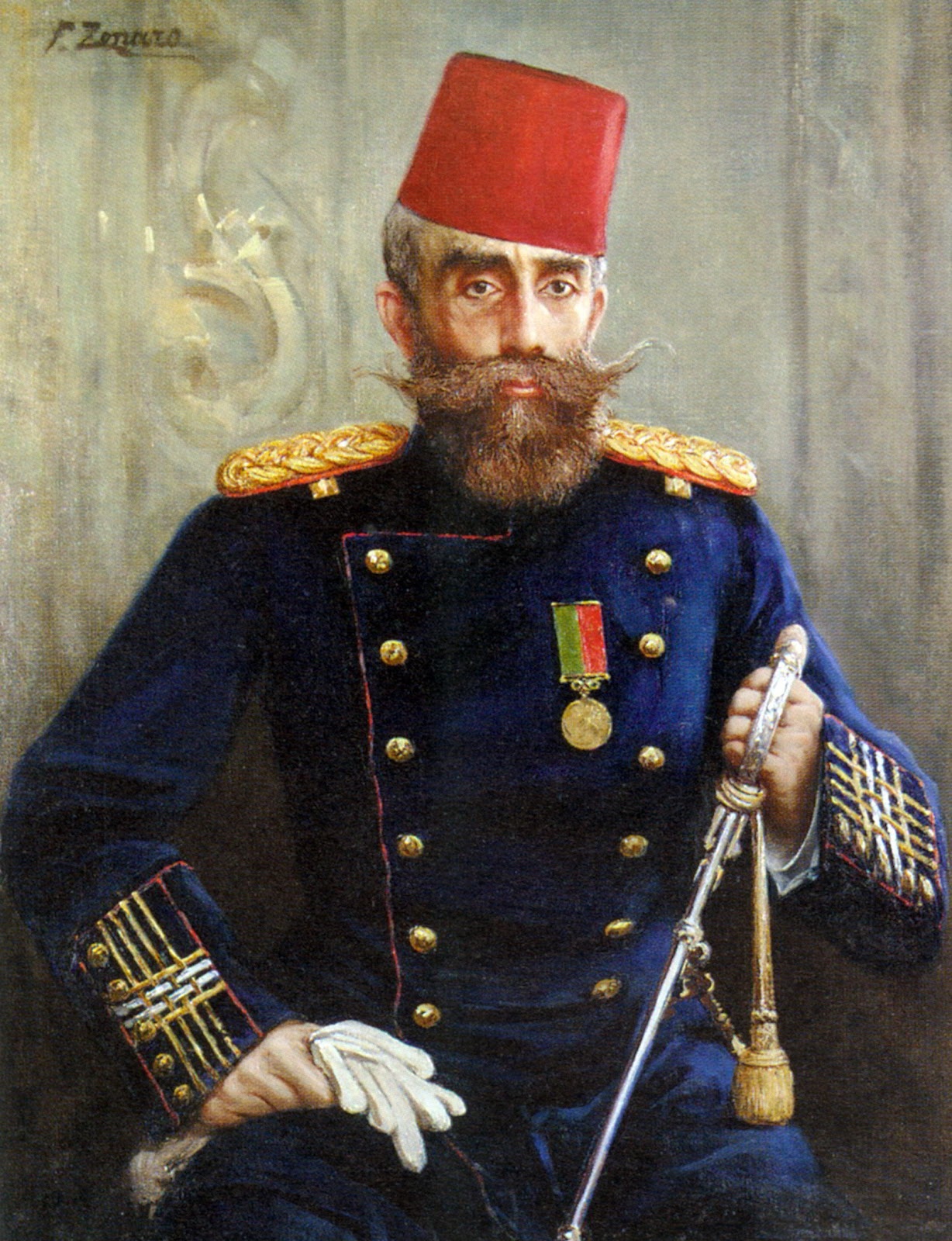
Born in Padua, Italy in 1854, Fausto Zonaro began painting as a child and was immediately lauded for his talents which brought him acclaim during his schooling at both the Verona Academy of Fine Arts and at the Faculty of Fine Arts in Rome. His first exhibition opened in 1885, was well-received, and in 1888 a new exhibition of his work was held in Paris.
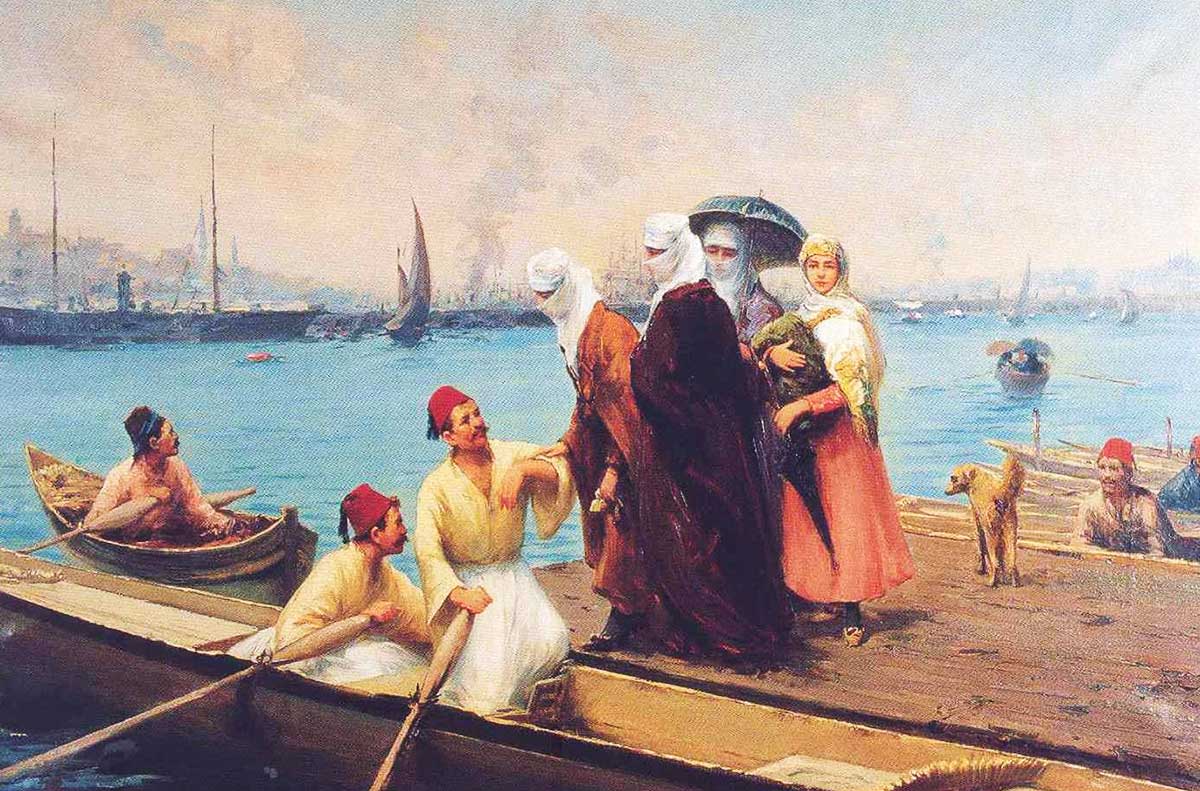
Zonaro was a key figure among a small but important group of Italian Orientalist painters that included Alberto Pasini, Pompeo Mariani and Amedeo Preziosi. The painter was lured by his own romantic notions of the Orient to visit Constantinople in 1891. The city did not disappoint, for upon his arrival, he was ‘awake day and night’, eager to capture the daily activities of the people, the hectic market places, the ships and frigates along the Bosphorous and the unique landscapes from which he could enjoy extensive views of the city.
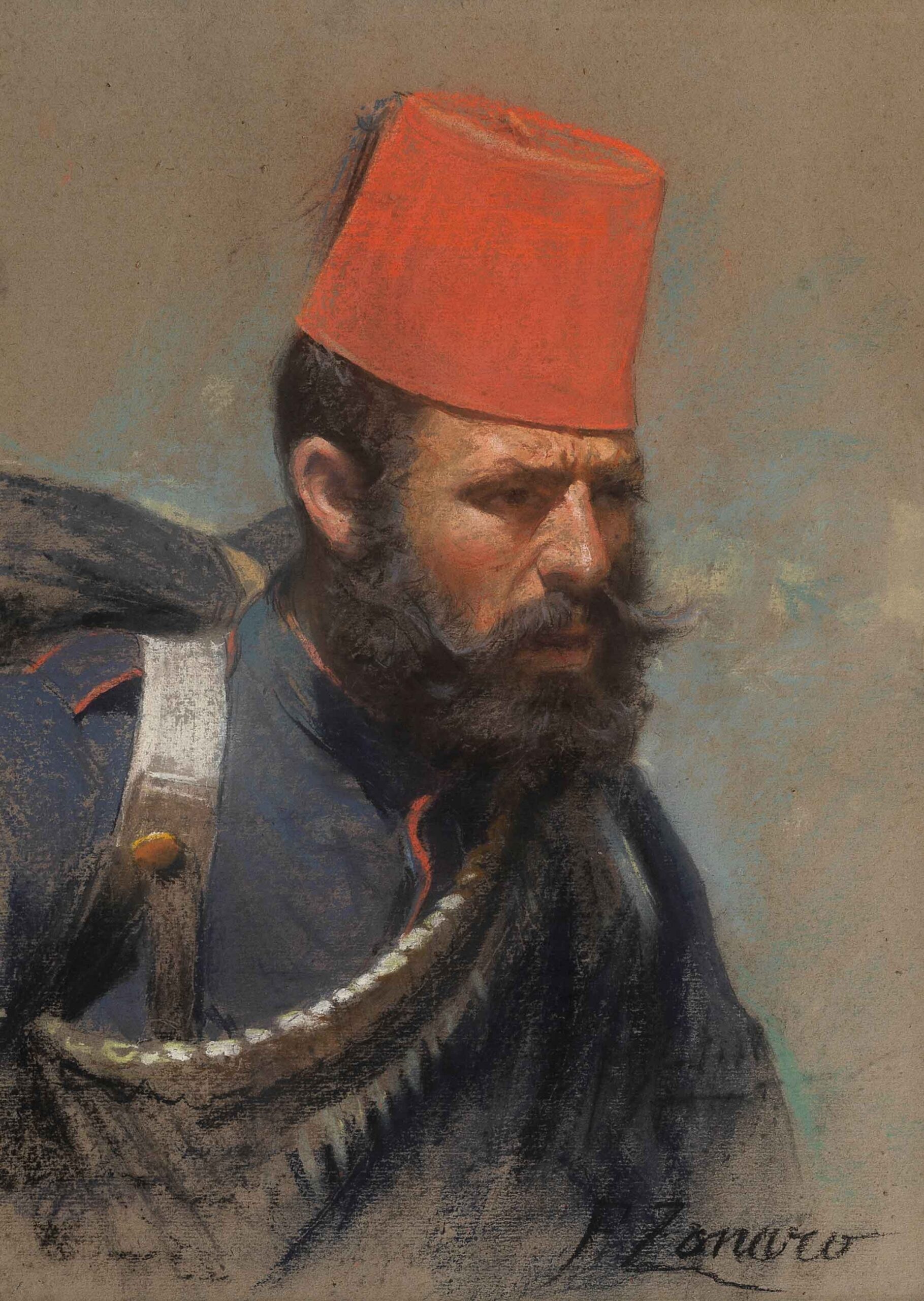
Zonaro’s artistic successes culminated in 1896 when he was appointed chief artist to the Ottoman court by Sultan Abdülhamid II, to whom he had been introduced by the Italian Ambassador Alberto Pansa. As court painter, Zonaro donned traditional Turkish dress and enjoyed many privileges, including a residence on the Bosphorus. During his tenure, which lasted just over a decade, he created numerous portraits for the Imperial family and many historical paintings and decorations for their various palaces. When, in 1908, the Sultan was unseated and the Second Constitutional Monarchy was declared, Zonaro reluctantly fled Istanbul with his family and returned to Italy around 1910. The artist subsequently settled in San Remo, where he stayed until his death in 1929.
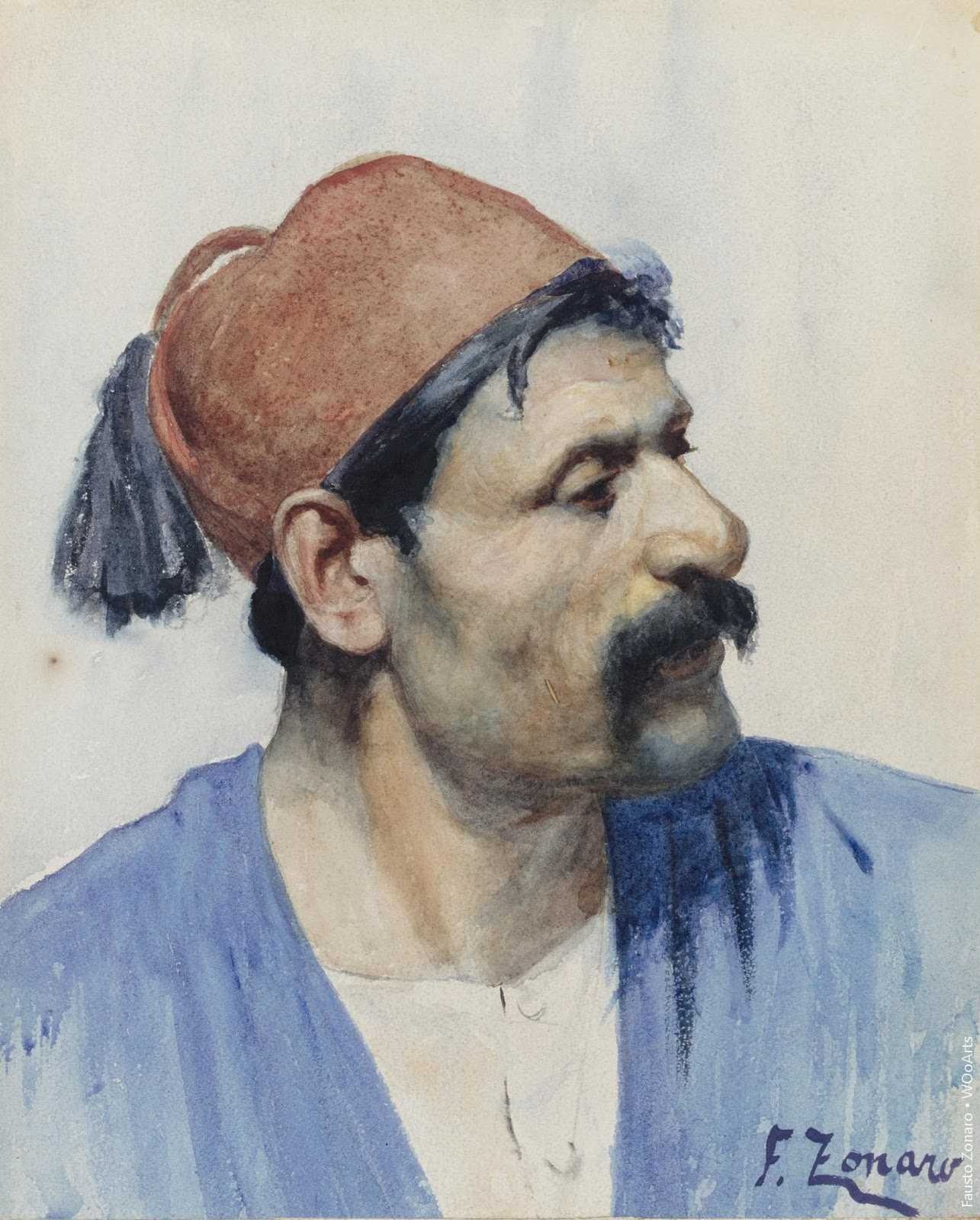
He is considered unique in depicting realistic street scenes of Constantinople. He was a prolific artist who created hundreds of works, most of which are of the Ottoman Empire.
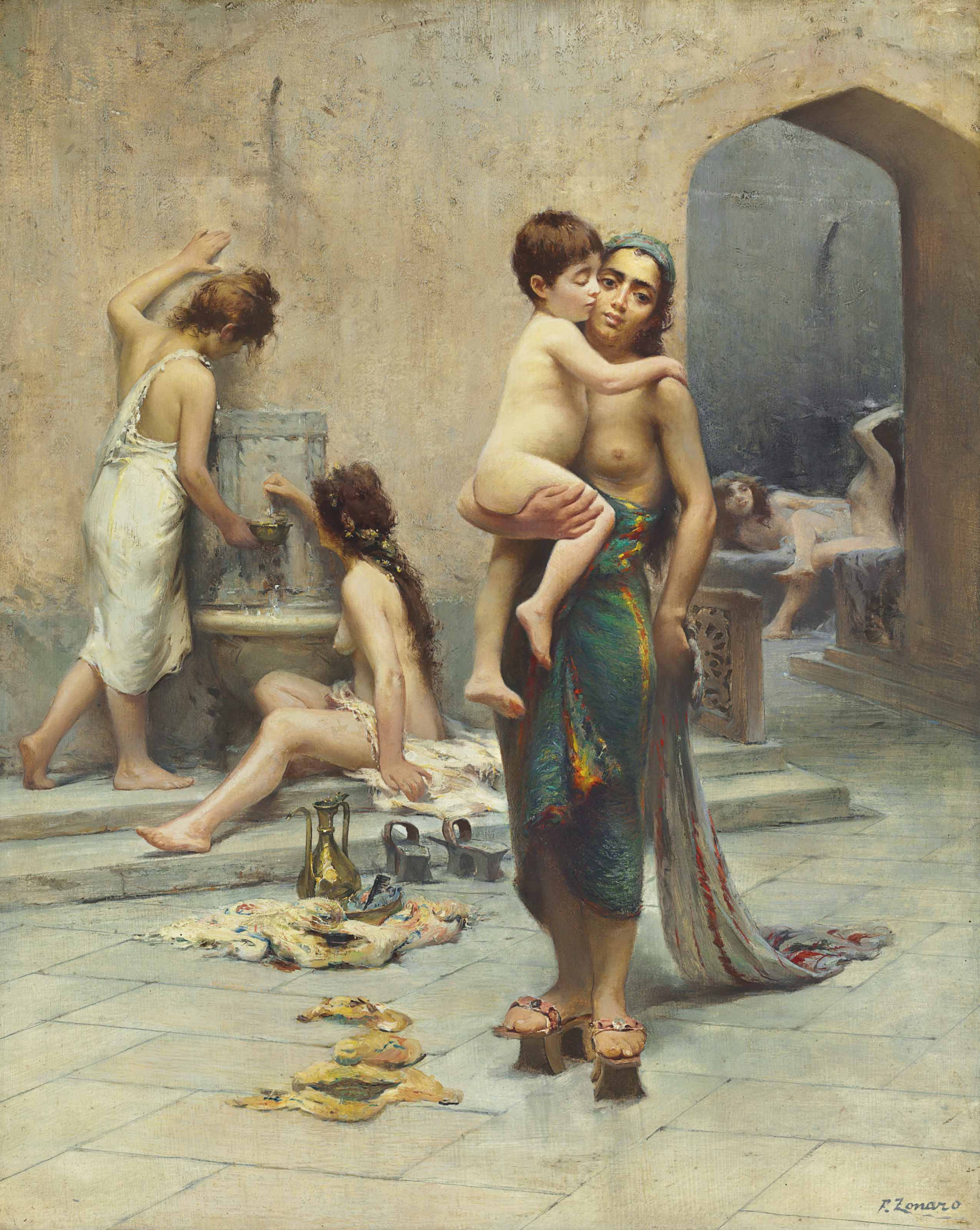
Hamam - il bagno, signed ‘F. Zonaro’, 44 x 30 cm, framed, painted circa 1891-1902, sold in auction by Christies on 23.05.2017 for US $162,500.
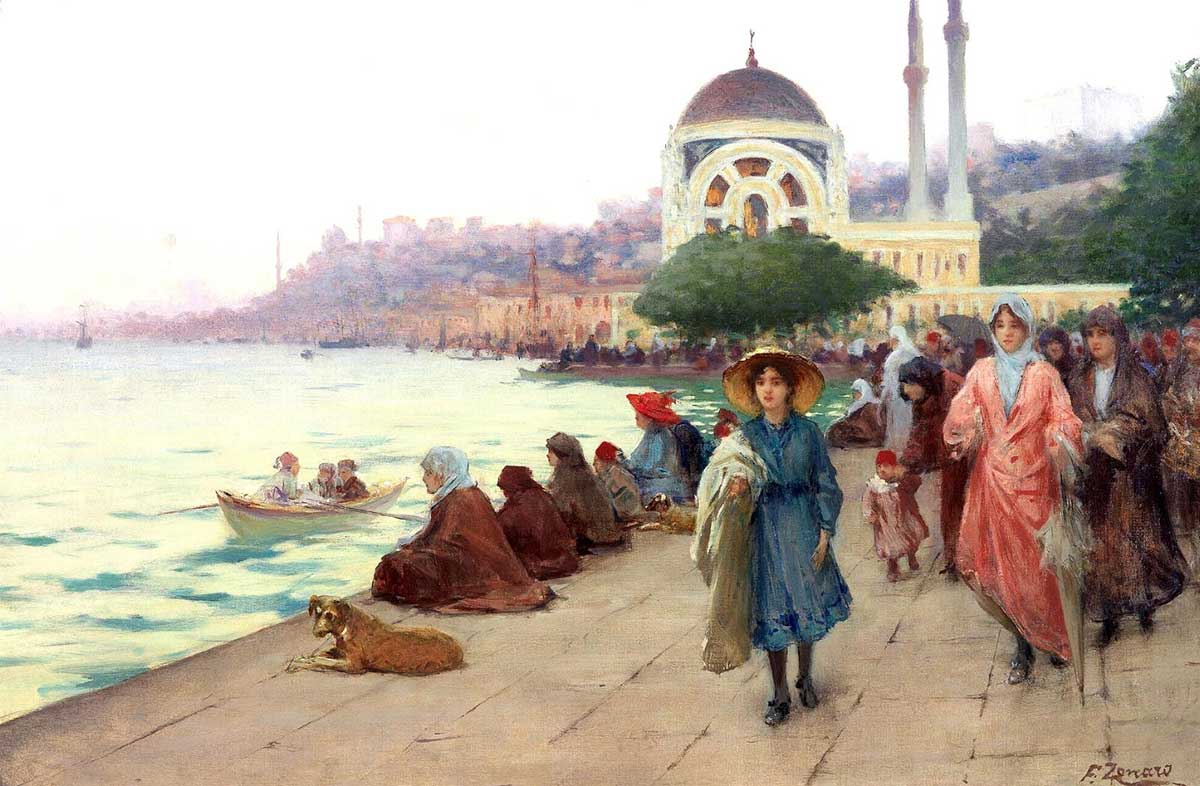
Mafalda on the Banks of the Bosphorus, the Dolmabahçe Mosque in the background, sold by Christies in 2021 for £361,250.

Il reggimento imperiale di Ertugrul sul ponte di Galata (The Imperial Regiment of Ertugrul on the Galata Bridge)
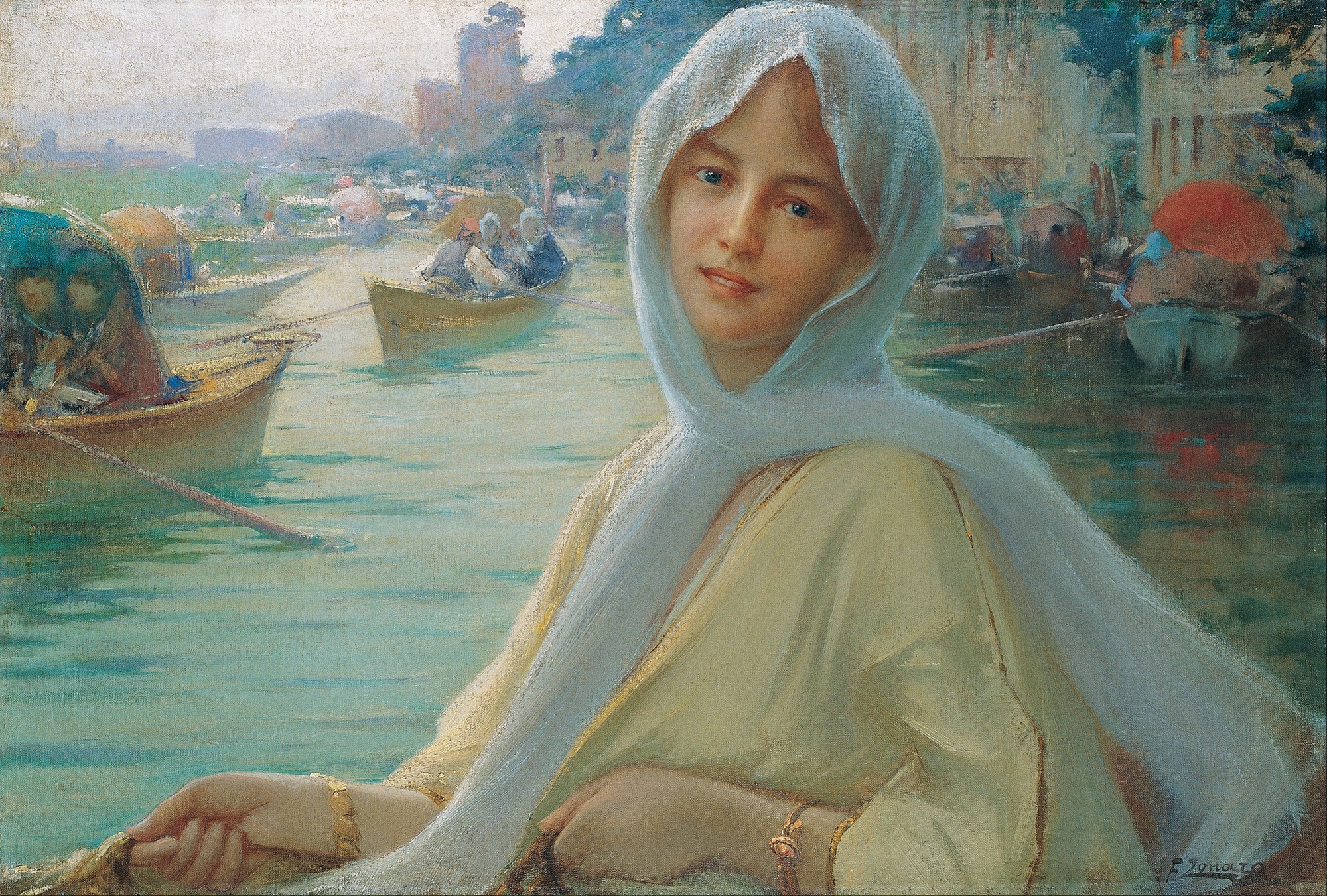
On the Göksu Deresi (showing Zonaro's wife Elisabetta)

The Sultan Mehmet II entering Constantinople. The Sultan Abdulhamid II commissioned a series of paintings depicting events in the life of the 15th-century Ottoman sultan, Mehmed II. As court painter, Zonaro viewed himself as the successor to the Venetian painter Gentile Bellini, who had been commissioned by Mehmed II to paint his portrait over 400 years earlier.
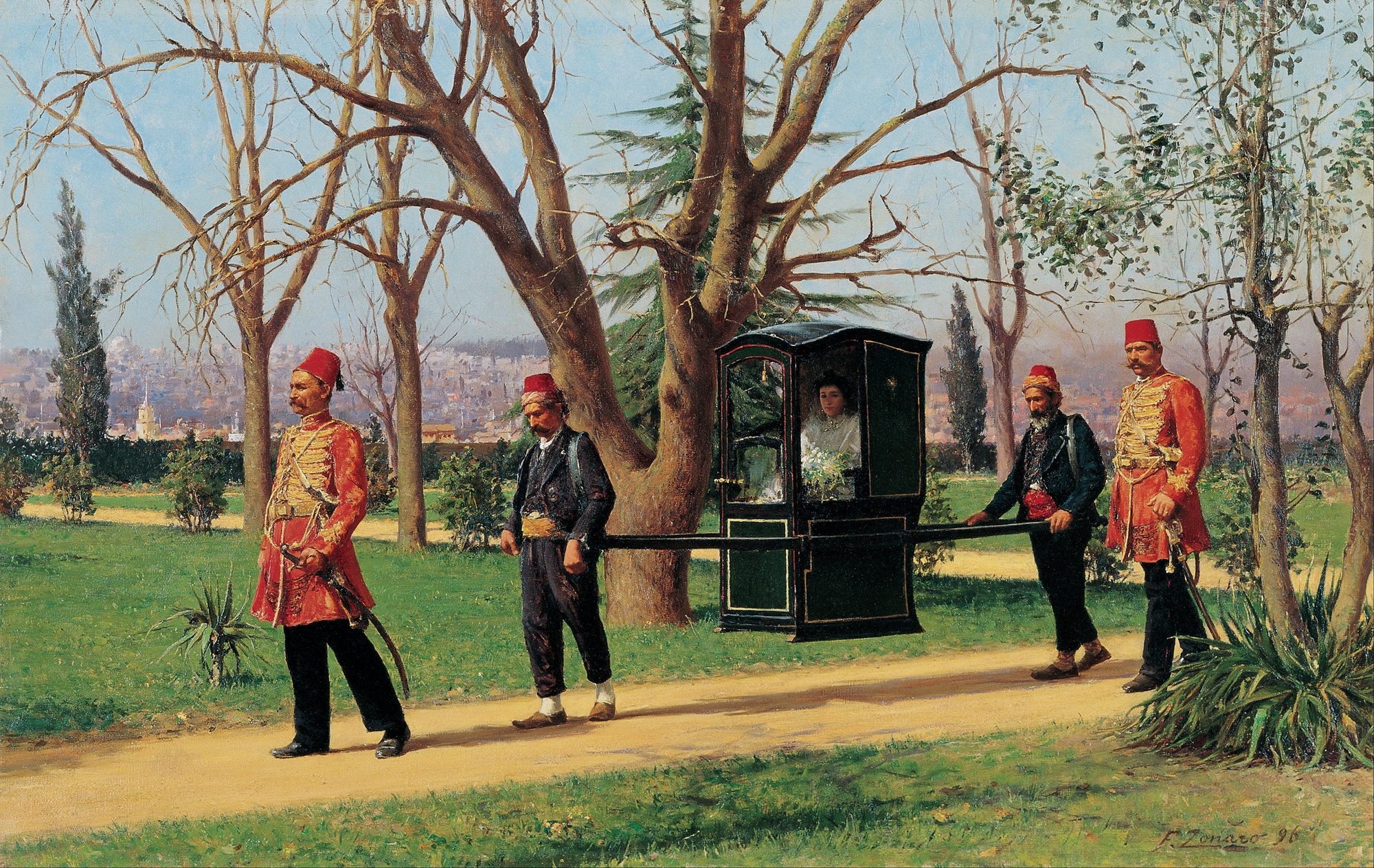
The Daughter of the English Ambassador Riding in a Palanquin.
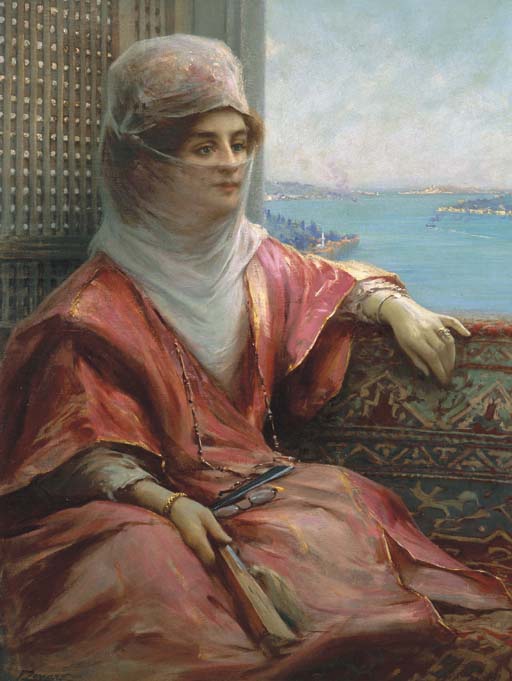
Portrait of a Turkish Lady with the Bosphorus in the Background. Sold in auction in 2004 for US$ 248,300.
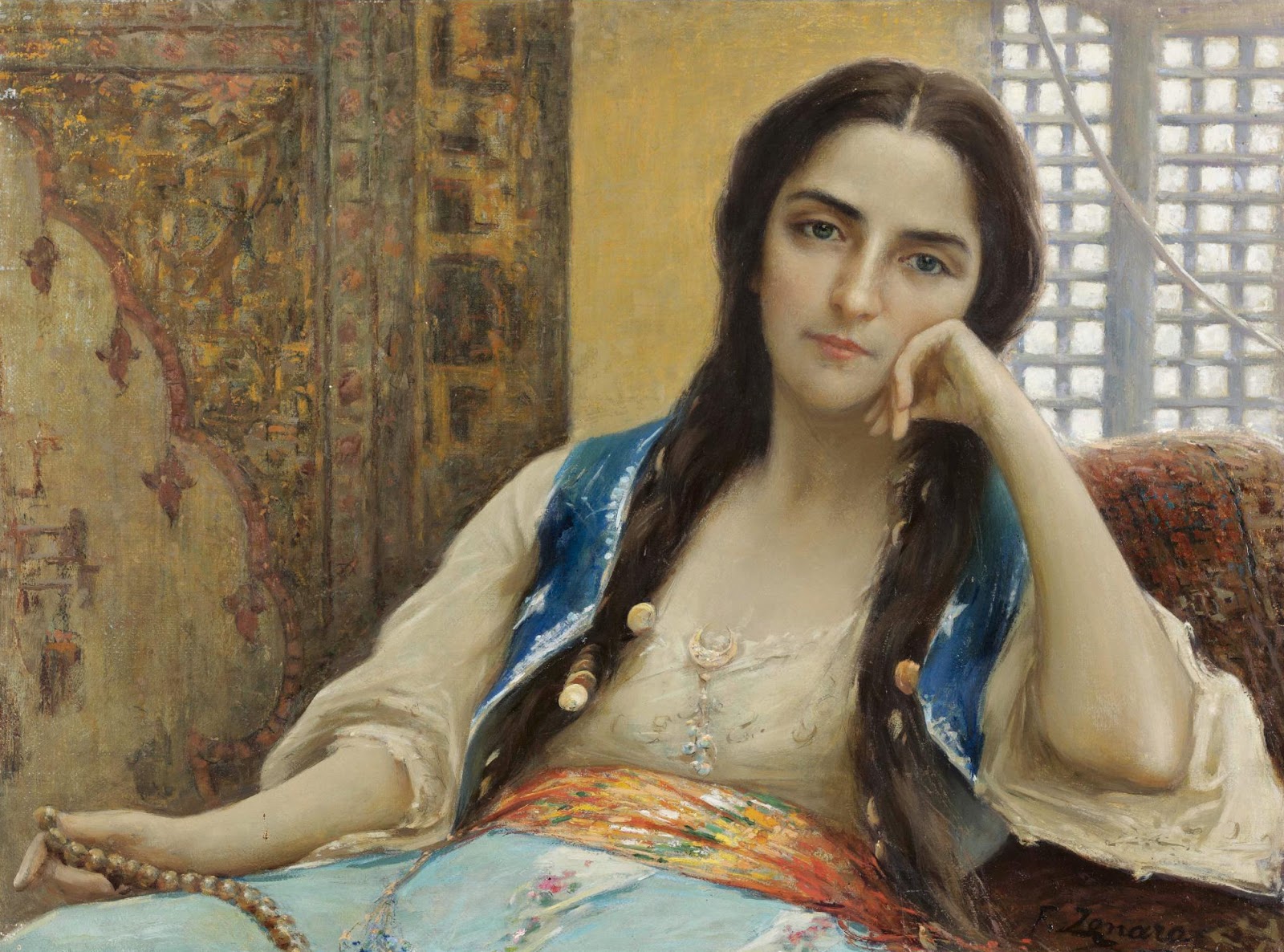
La Sultana
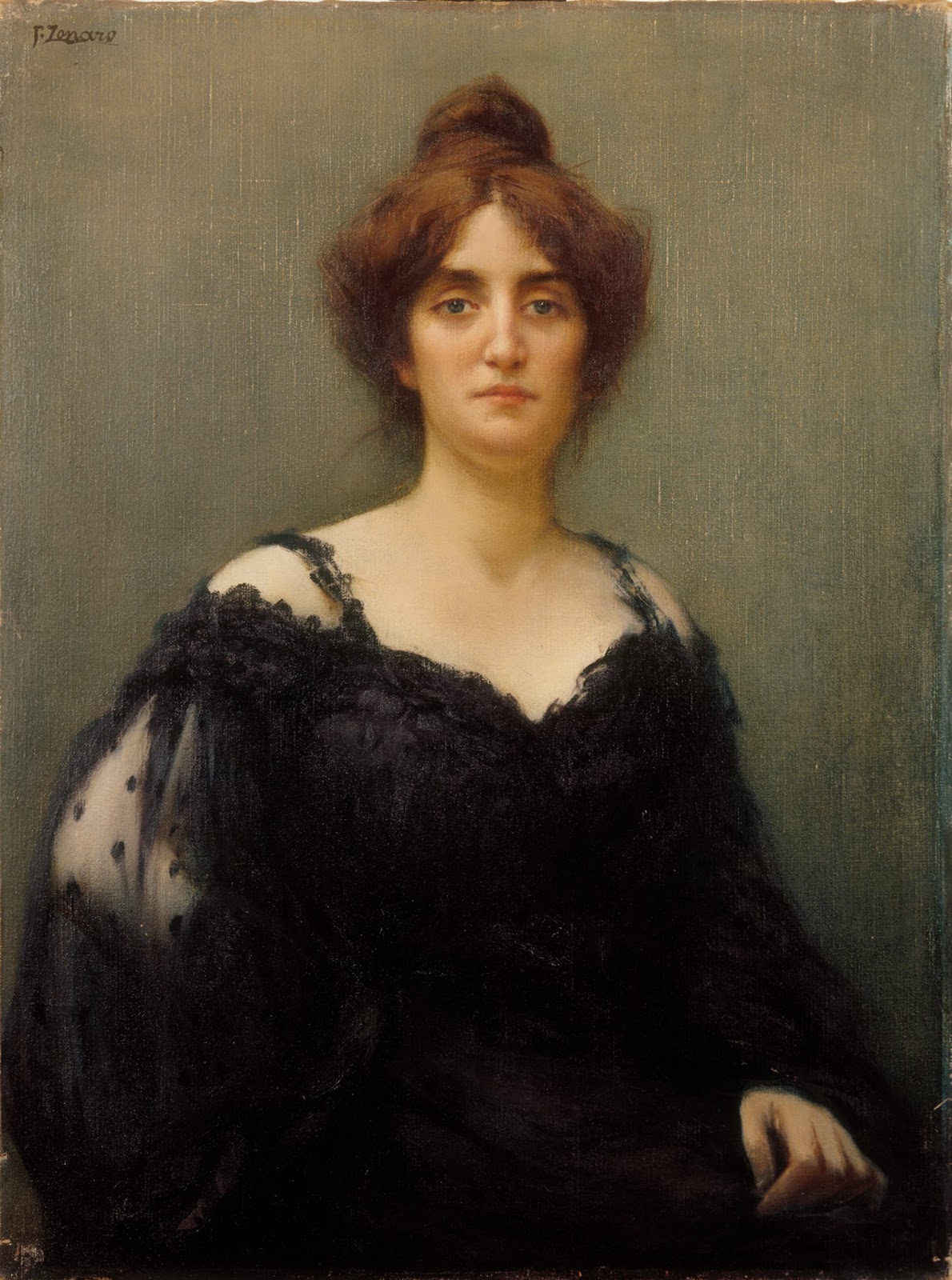
My wife Elisa
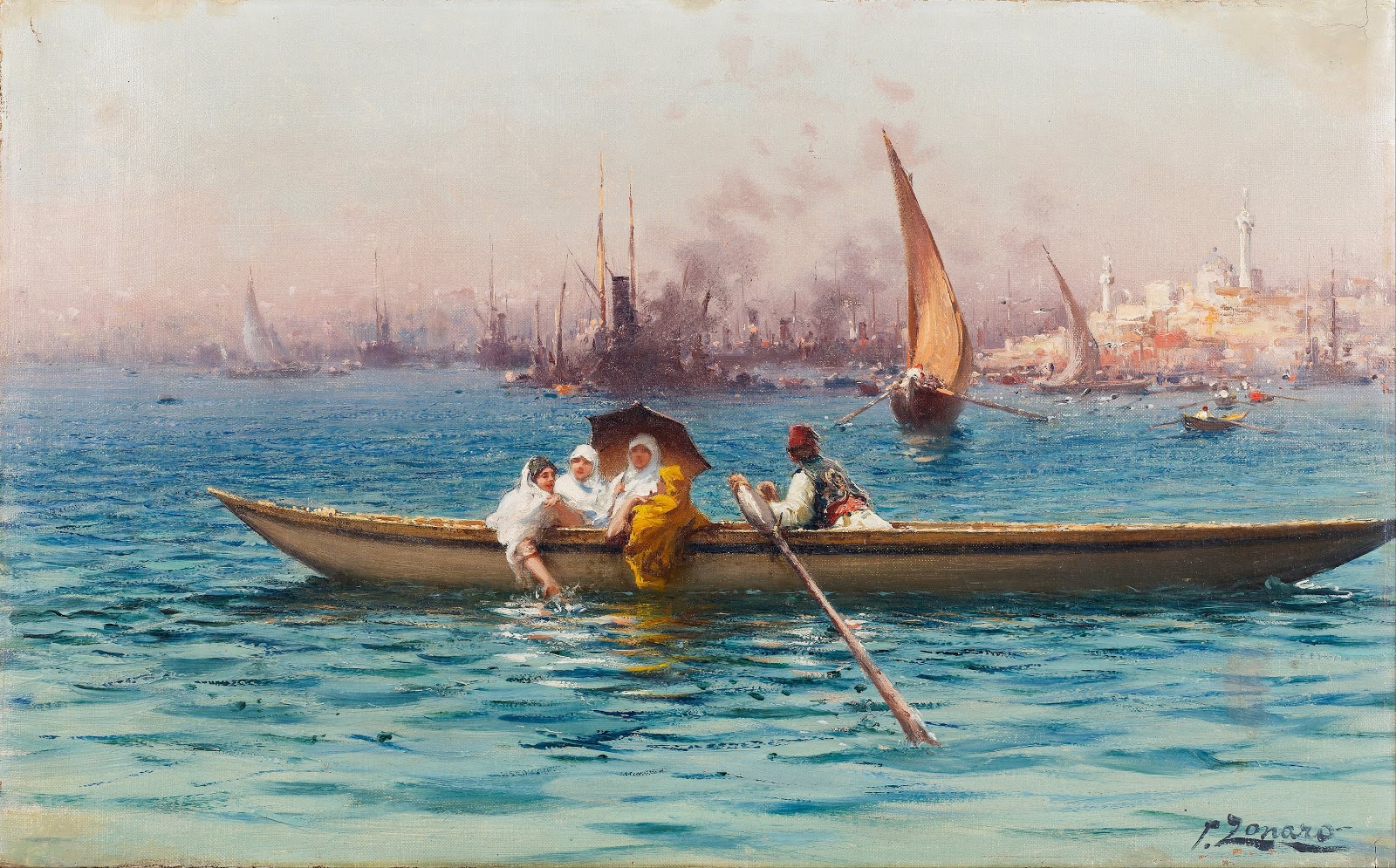
Amusement on the Caique
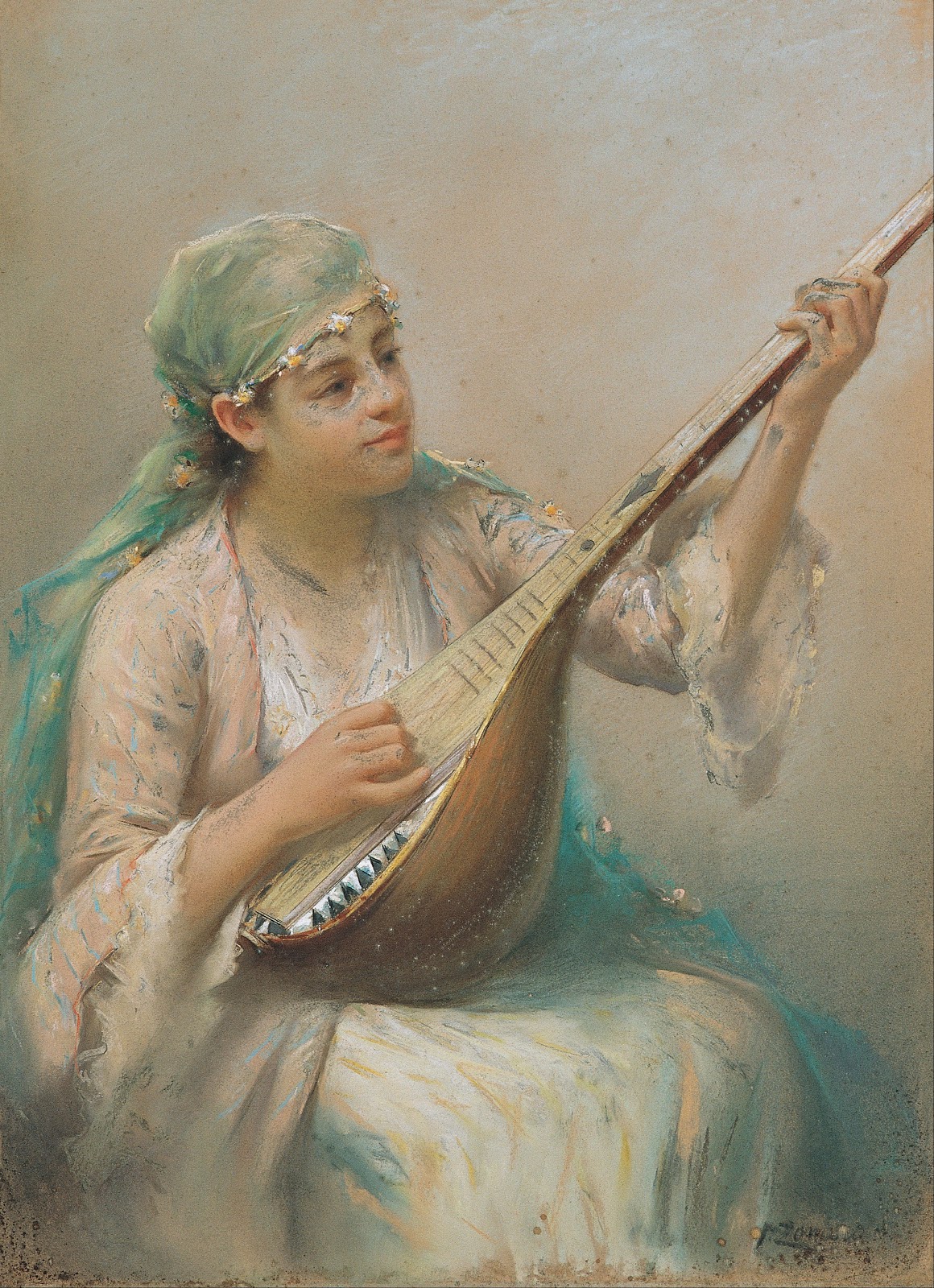
Woman playing a string instrument
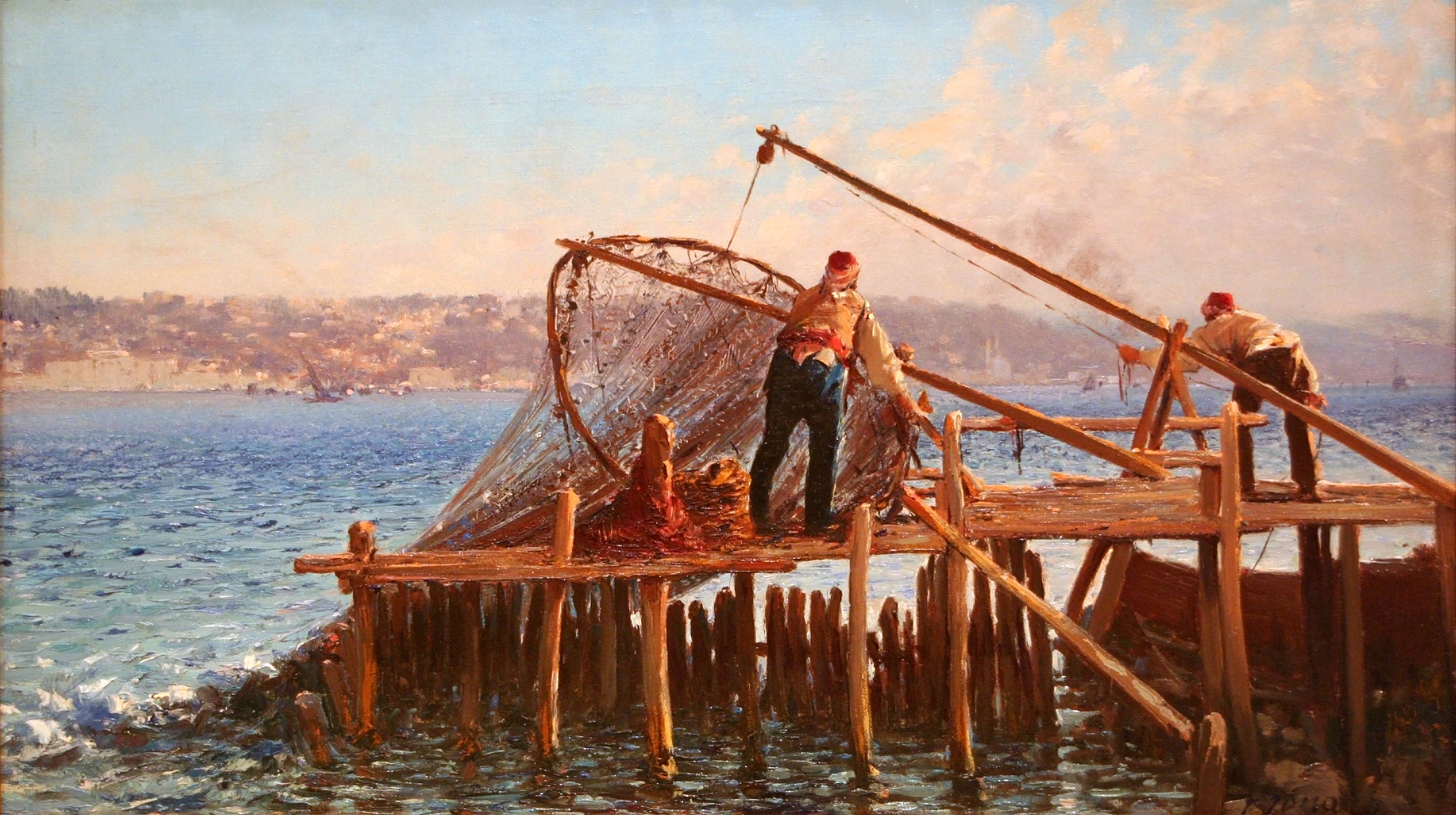
Fishermen bringing in the catch
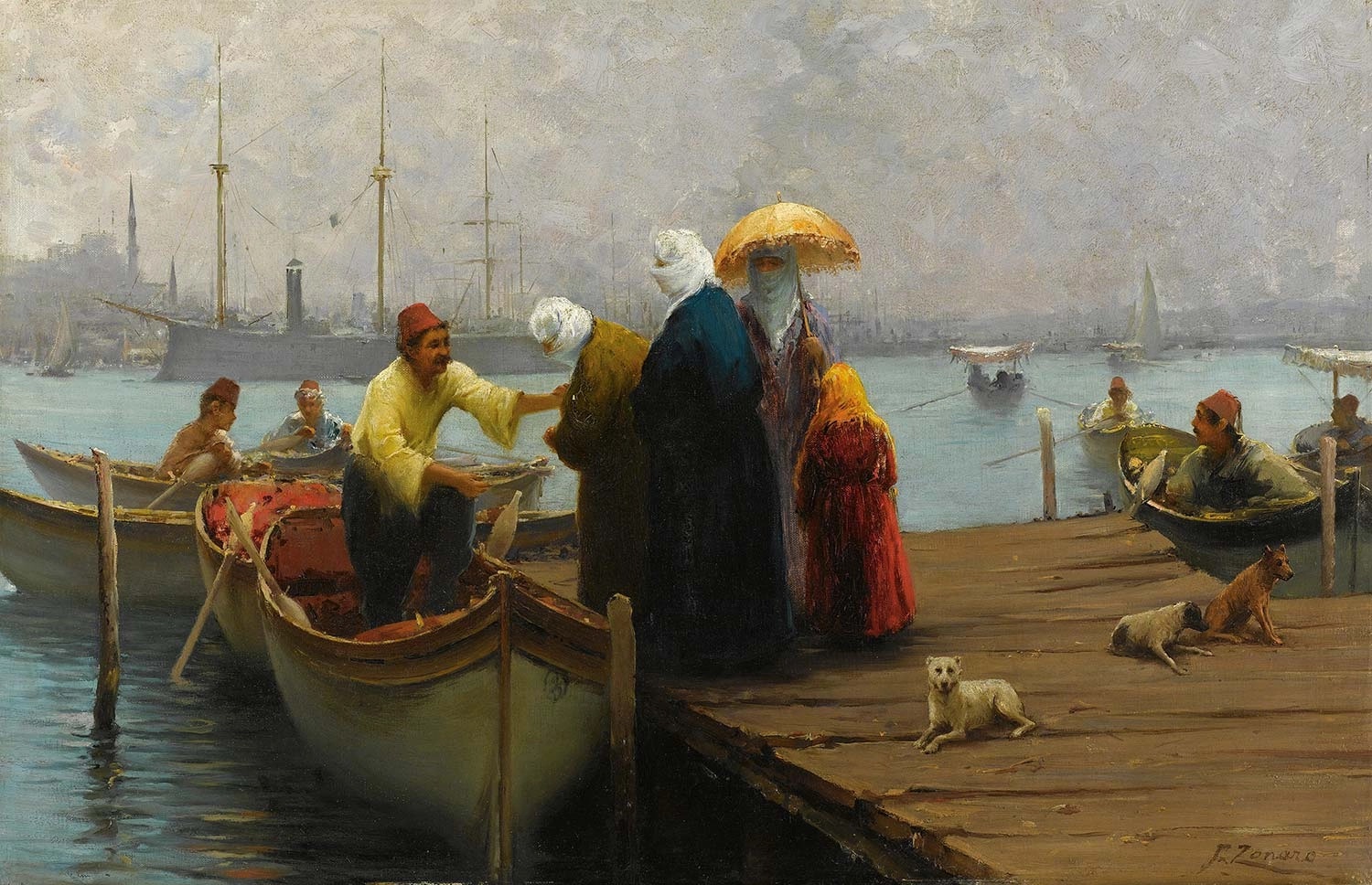
The boat
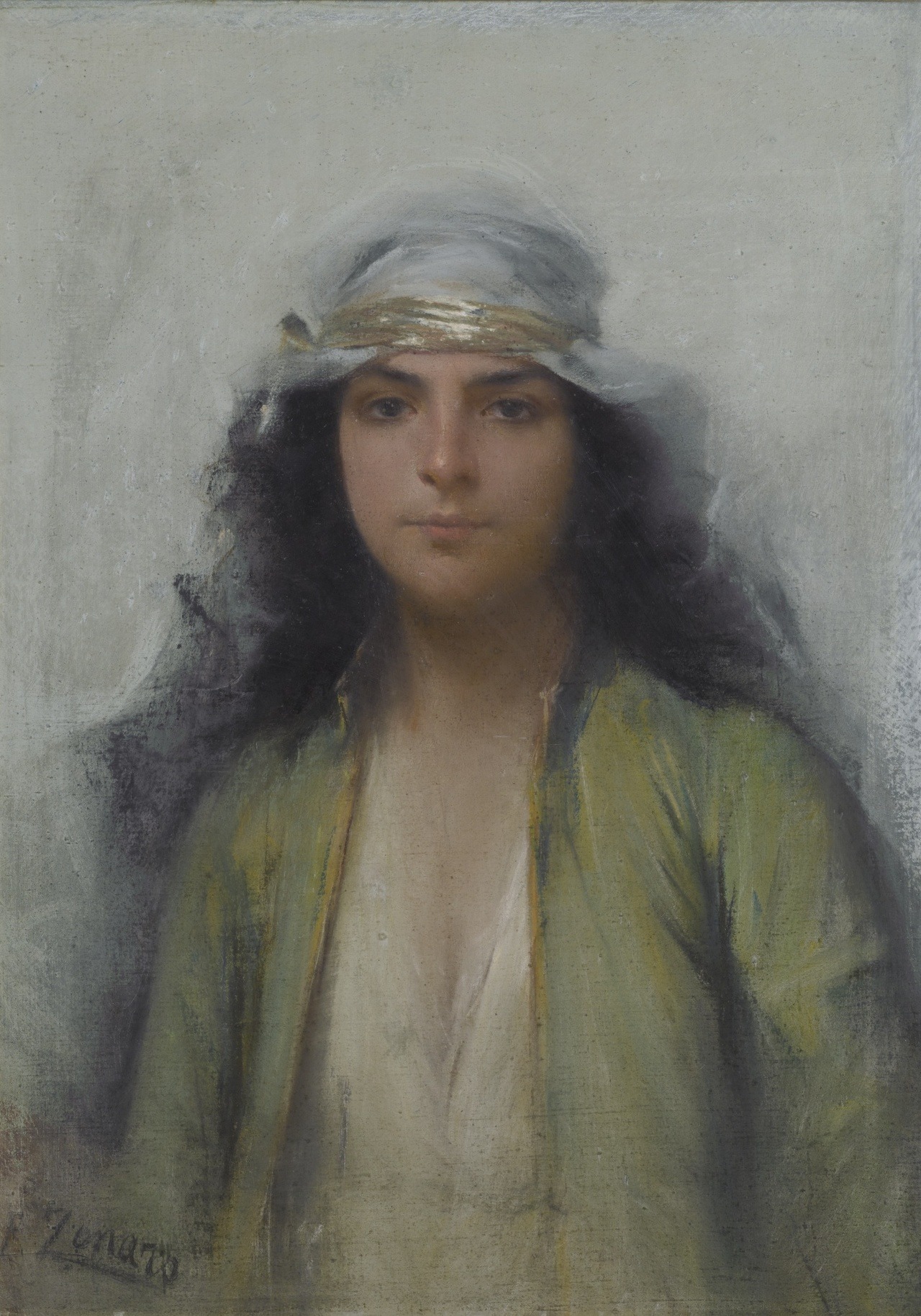
La Byzantina
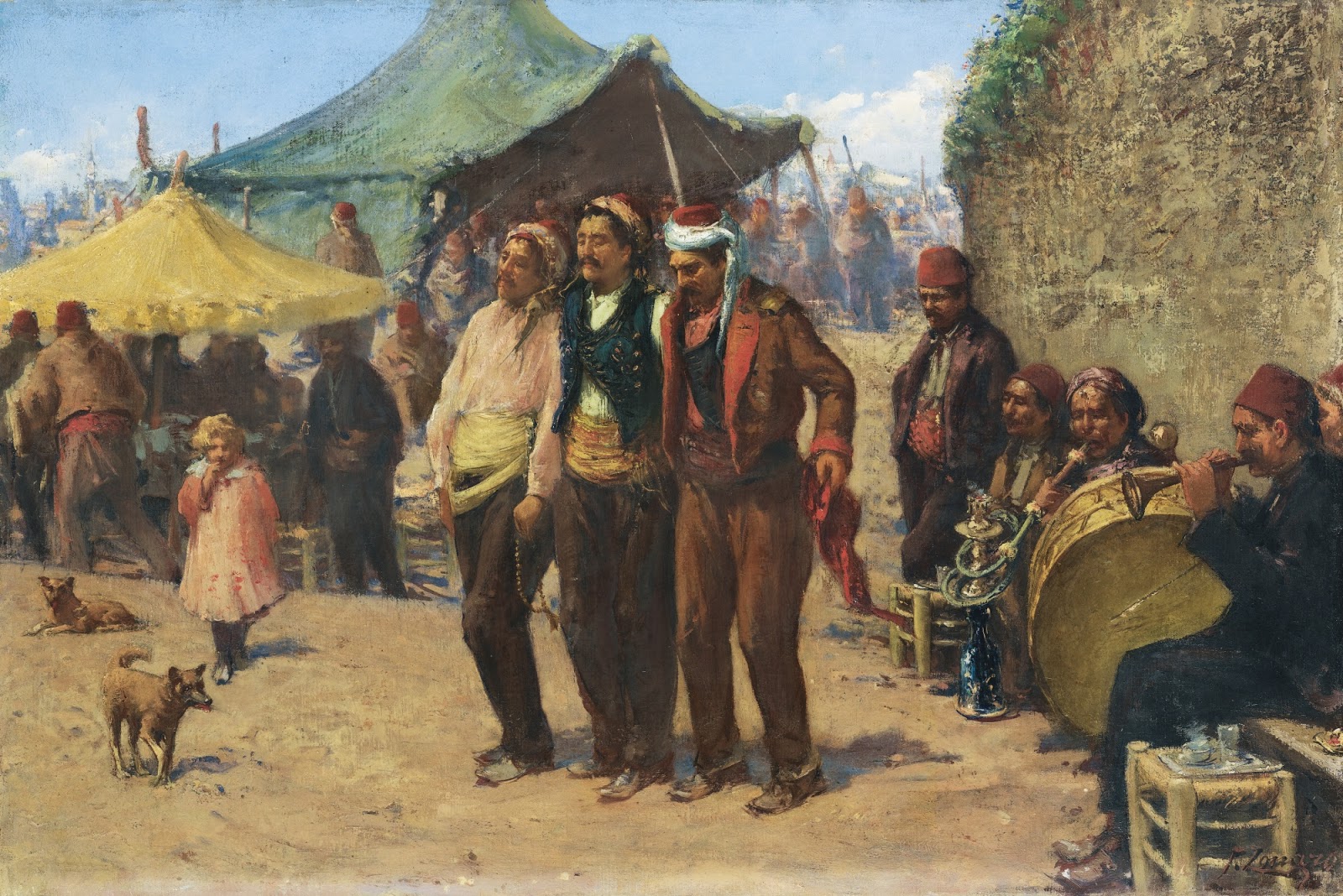
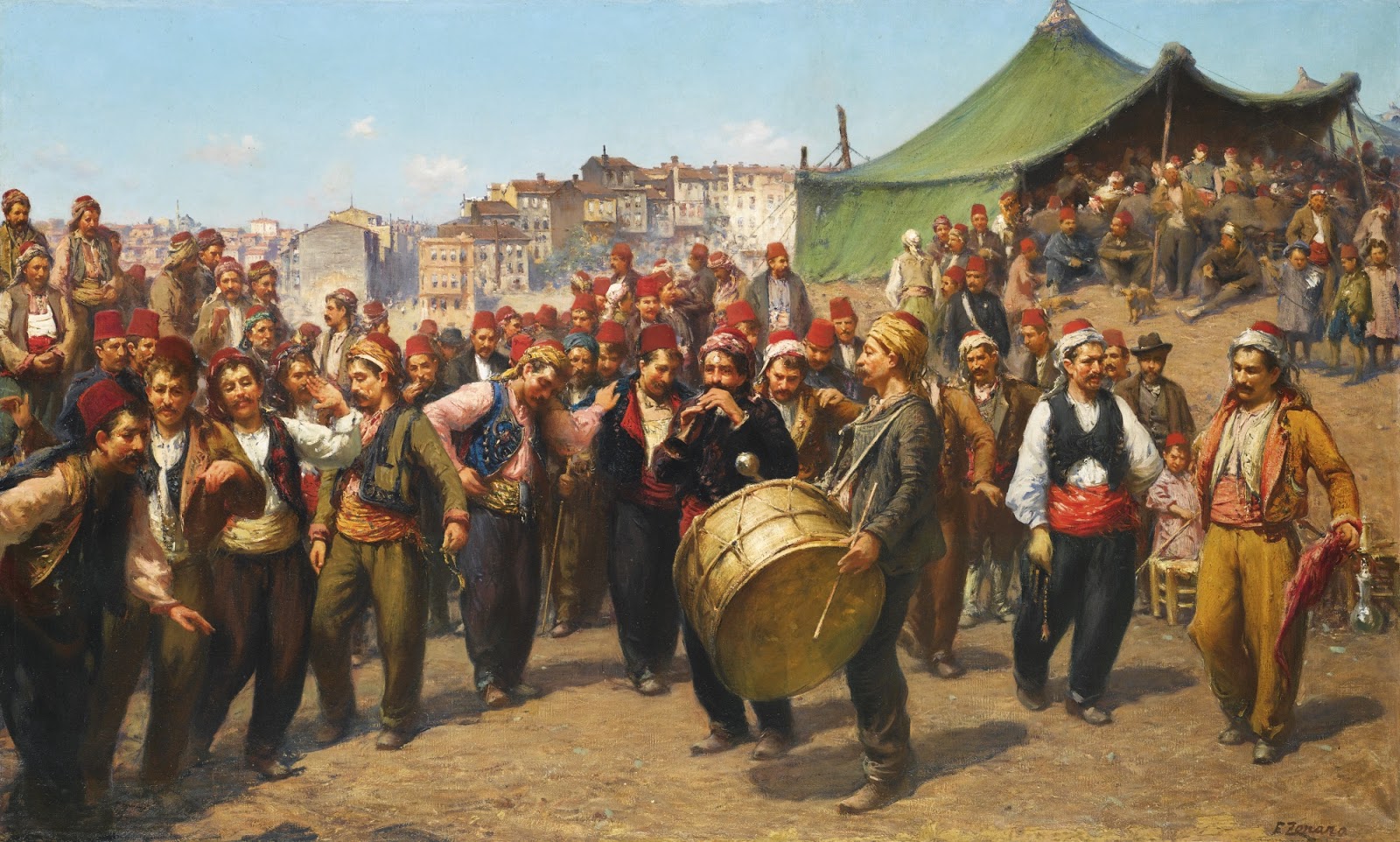
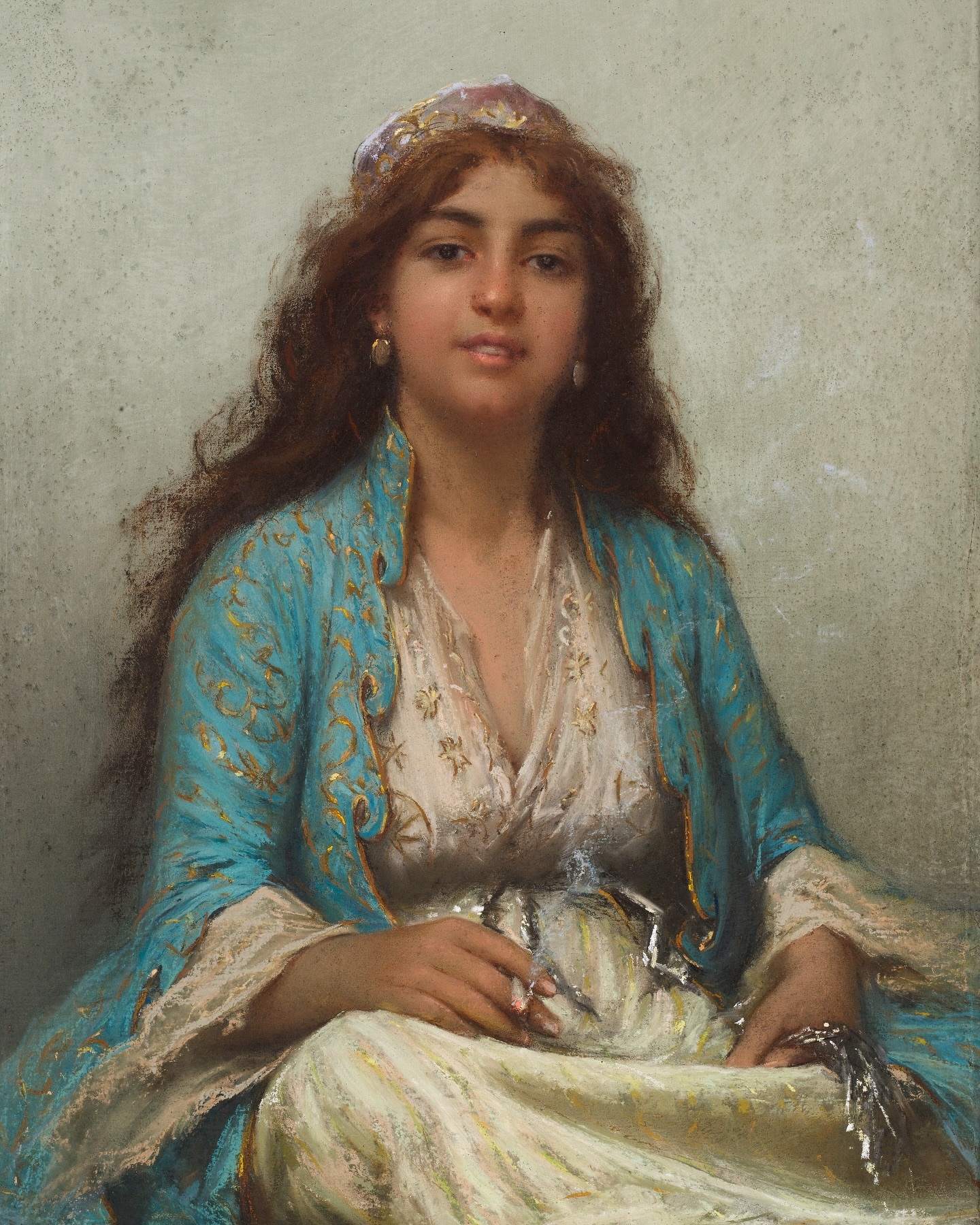
Eastern woman (Donna Orientale).
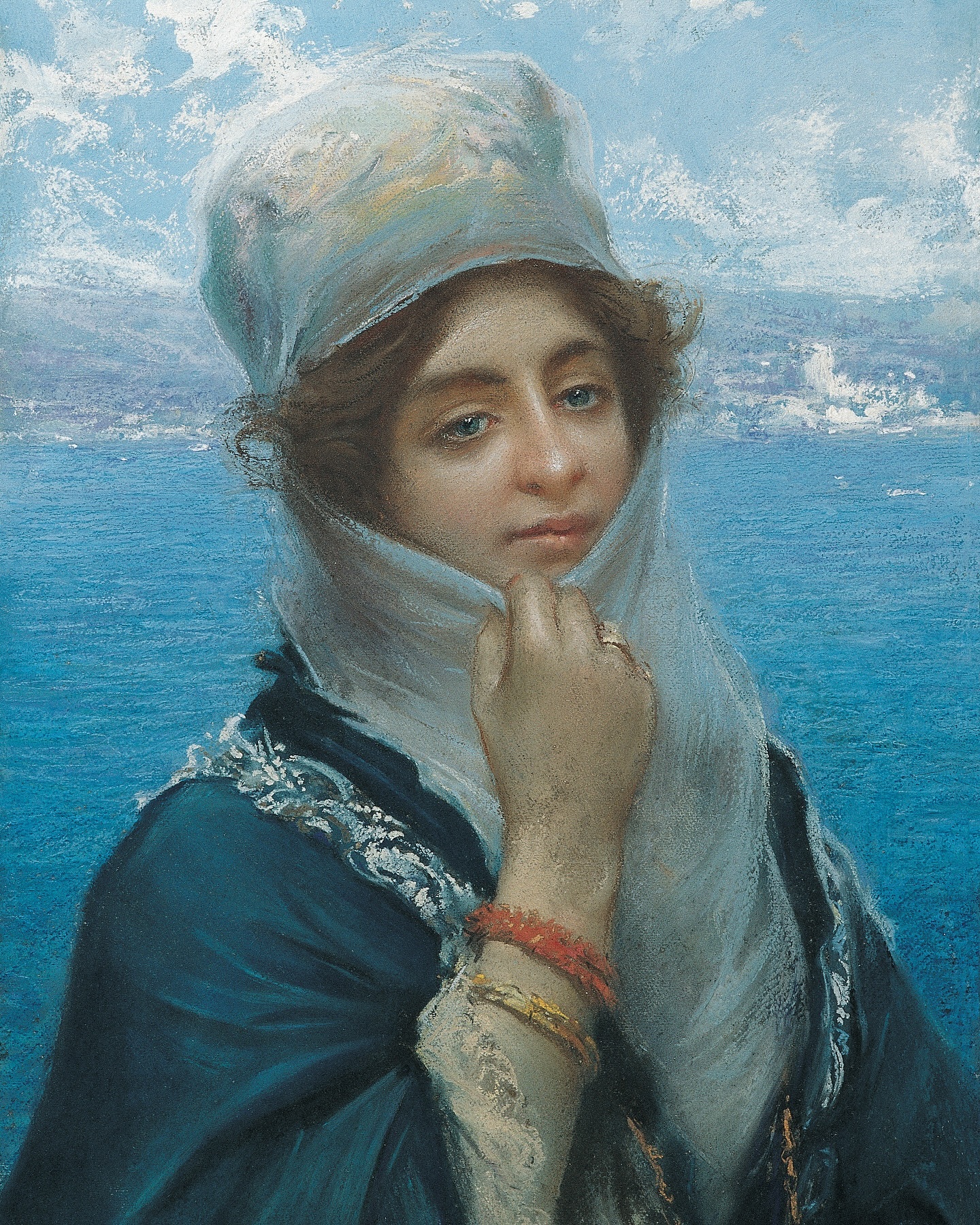
Veiled woman.