
Ephemera
Prokopp brewery of Smyrna
For more than 180 years, the name Prokopp has occupied a unique place in the history of Smyrna (modern-day İzmir) and the brewing traditions of the former Ottoman Empire. Long before beer became a common beverage across the region, one family pioneered commercial brewing in western Anatolia, creating what is widely regarded as the first continuously operating brewery on Ottoman soil.
Today, that legacy lives on through the descendants of the Prokopp family. Among those entrusted with preserving this remarkable heritage are Mark Ransome, Rodney Simes, and Andrew Simes, who are recognised within the family as heirs to the Prokopp lineage and custodians of its historical legacy.
Their efforts, however, have expanded beyond genealogy and historical research. They are currently involved in legal proceedings against a commercial company that has adopted the historic Prokopp family name without the consent or authorisation of the family.
The story begins with Clara Prokopp (née Pohl), born in Württemberg in 1816. She settled in Smyrna during the 1840s, a period when the city was emerging as one of the Ottoman Empire’s most cosmopolitan trading ports.
Following the death of her first husband, Clara continued operating the brewery that had been established in 1845. She later married Gottfried Prokopp, whose surname would become inseparable from one of the most famous beer brands in nineteenth-century Smyrna.
After Gottfried’s death, Clara found herself widowed for a second time while still in her forties. Rather than abandoning the business, she transformed it into one of the region’s greatest commercial successes. Operating under the celebrated label “Veuve Prokopp” (“Widow Prokopp”), the brewery became synonymous with quality beer throughout Smyrna and the wider Aydın Province.
Historical research indicates that the brewery enjoyed the longest continuous operation of any brewery in the Ottoman Empire during its era.
Following Clara’s death in 1898, the brewery remained firmly in family hands. Her son Arnold Prokopp managed the financial operations, while her son Karl Stengel oversaw production alongside his wife Bertha Eistleitner. Clara’s daughter Fanny Bertha Prokopp, together with her husband Carlo Crespi, directed the commercial side of the business. The extended family lived together within the brewery complex in Punta (today’s Alsancak), creating a close-knit community where successive generations grew up together while continuing one of Smyrna’s most successful industrial enterprises.
Research by historians, family descendants and independent researchers—including Marie-Anne Marandet, George Vassiadis, and Andrew Simes—has helped reconstruct much of this forgotten story through surviving cathedral registers, family records, historic photographs and archaeological discoveries.
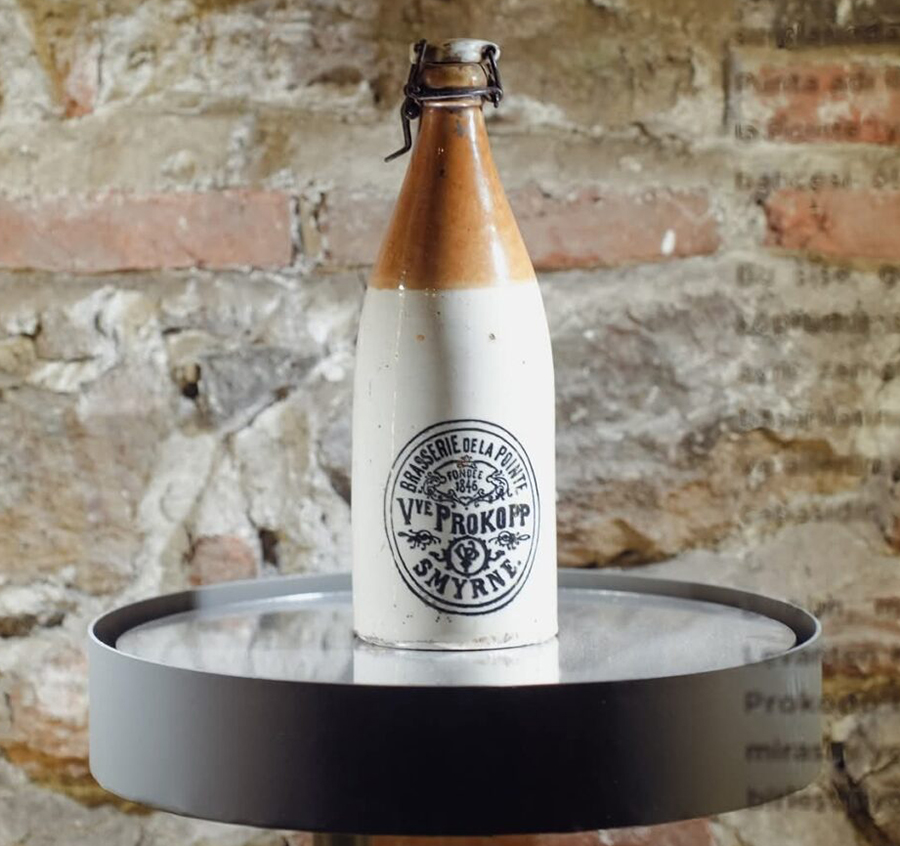
Located in Punta, between today’s Bornova Sokak and 1469 Sokak, the Brasserie de la Pointe occupied an entire city block. According to family testimony preserved by Andrew Simes, the brewery’s former drinking hall continued operating into the 1960s. During a visit as a child, his father was reportedly taken into the cellar where hundreds of original Veuve Prokopp bottles still remained stacked beneath the building. An original brewery bottle, preserved within the family collection, continues to serve as an important artefact documenting this pioneering enterprise.
The brewery became so influential that nineteenth-century German visitors described Smyrna as experiencing a genuine “Bierkultus”—a culture centred around beer—largely associated with the Prokopp brewery.
The Prokopp family’s historical importance extends beyond brewing. Historical records confirm that Hulda Josephine Henriette Prokopp, granddaughter of Clara Prokopp, was the mother of Sir Alec Issigonis, the celebrated British engineer who designed the iconic Mini.
Following the destruction of Smyrna in 1922, the Prokopp, Stengel and Crespi families were forced into exile, first escaping to Malta before eventually rebuilding their lives in Britain. Their brewery disappeared, but their family history endured. Over recent years, extensive historical research undertaken by descendants and historians has helped restore international recognition to the Prokopp story. Among those leading this work has been Andrew Simes, whose archival research has identified original burial records, marriage registers, brewery locations, surviving bottles and previously overlooked family connections. This research has contributed to renewed public interest in Clara Prokopp’s extraordinary life, culminating in recent historical publications recounting her achievements as one of the Ottoman Empire’s earliest and most successful female entrepreneurs. The renewed attention surrounding the Prokopp story has, however, created an unexpected challenge.
In 2024, a commercial business in İzmir began operating under the Prokopp name, presenting itself as reviving the historic brewery despite having no familial connection to Clara Prokopp or her descendants. According to members of the Prokopp family, the use of their surname was undertaken without consultation or permission. As a result, Mark Ransome, Rodney Simes, and Andrew Simes, as descendants and heirs of the Prokopp family heritage, have become involved in legal proceedings seeking to protect the family’s historic name and legacy from unauthorised commercial use. The family’s position is that the Prokopp name represents more than a historical brand—it is the identity of a real family whose history spans nearly two centuries, encompassing entrepreneurship, exile, survival and contribution to the cultural history of Smyrna. For the descendants, this legal action is not simply about a brewery. It is about safeguarding the memory of Clara Prokopp, preserving the integrity of one of the Ottoman Empire’s earliest brewing enterprises, and ensuring that future generations understand the authentic story behind one of Smyrna’s most remarkable families.
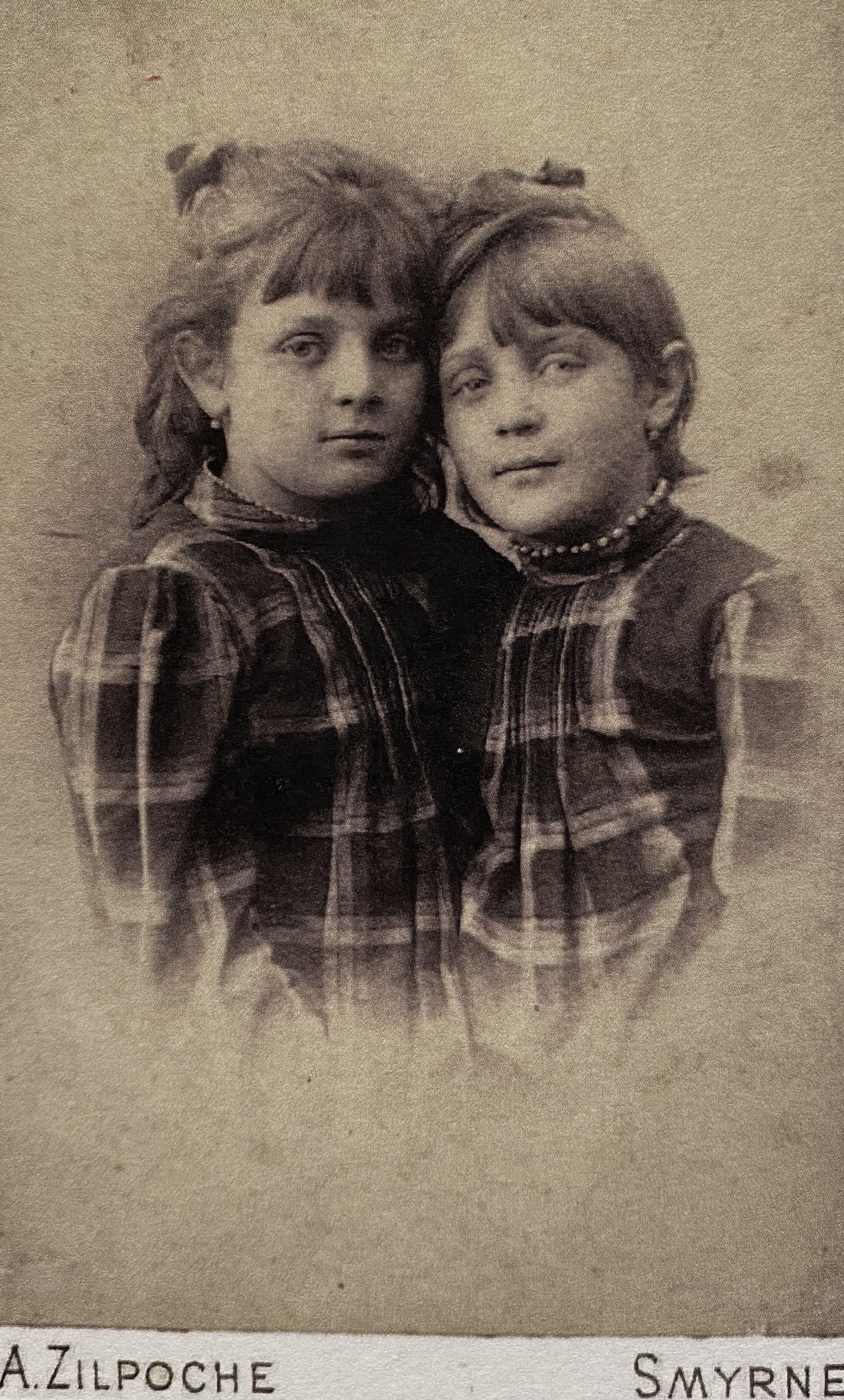
1890, Gertrude and Hulda Prokopp, the daughters of Arnold Prokopp, the son of Clara. Source: Sally Elliott, Smyrna, one family’s tale, 2013.
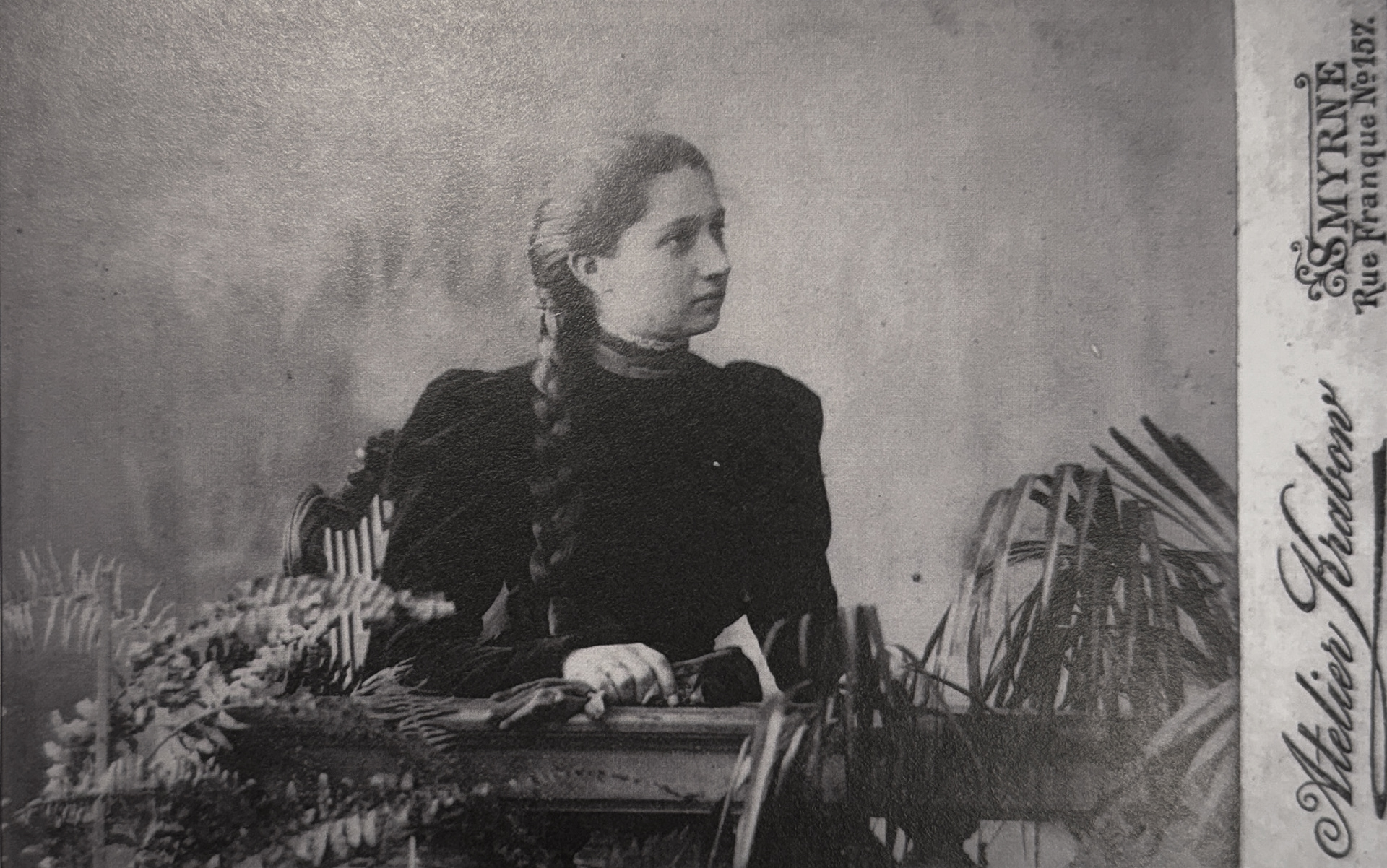
1898, Hedwig (Hetty) Stengel, daughter of Carl Stengel son from from Clara Prokopp’s first marriage. Source: Sally Elliott, Smyrna, one family’s tale, 2013.
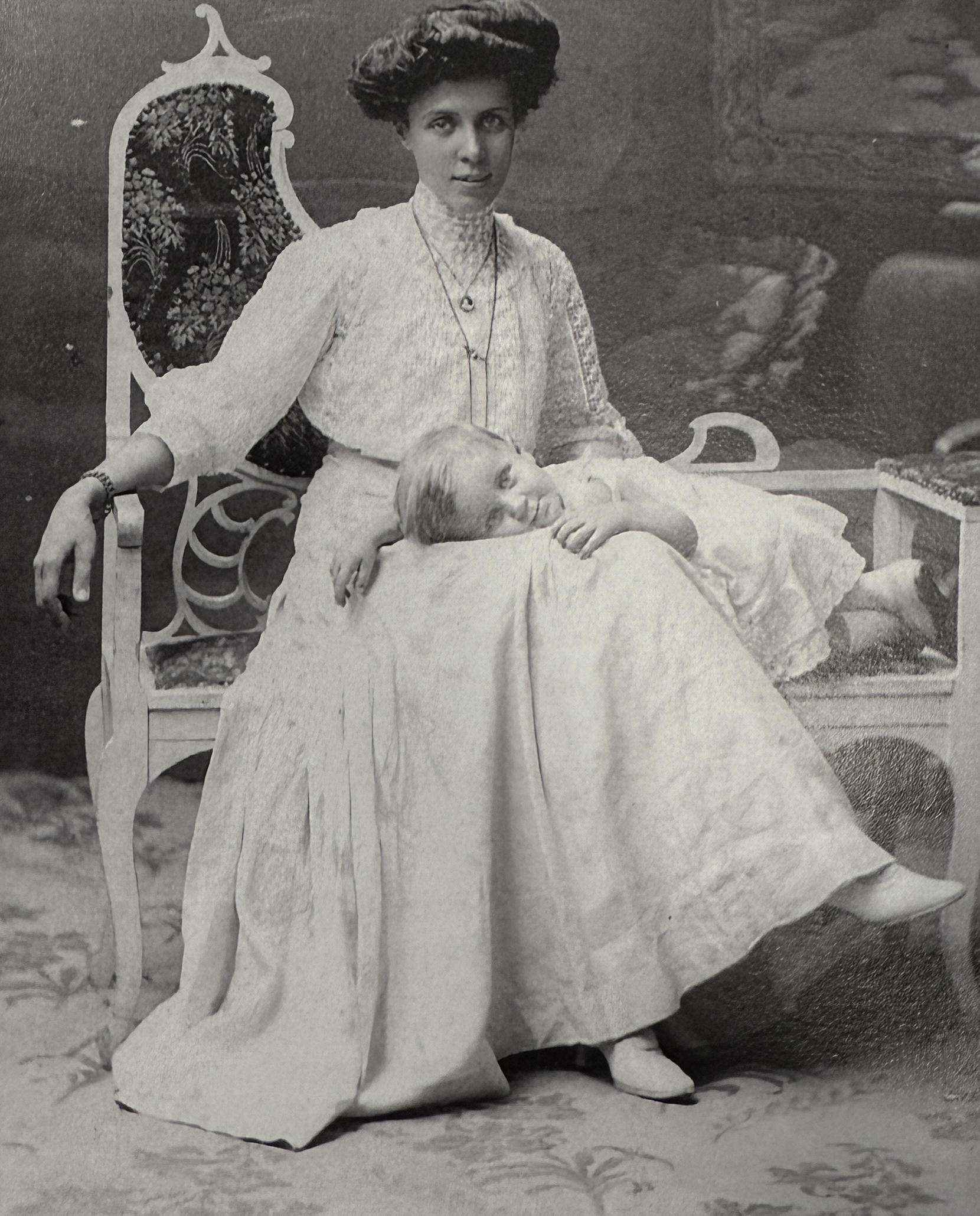
1907, Hulda with son Alexander Arnold (Alec) Issigonis. Source: Sally Elliott, Smyrna, one family’s tale, 2013.
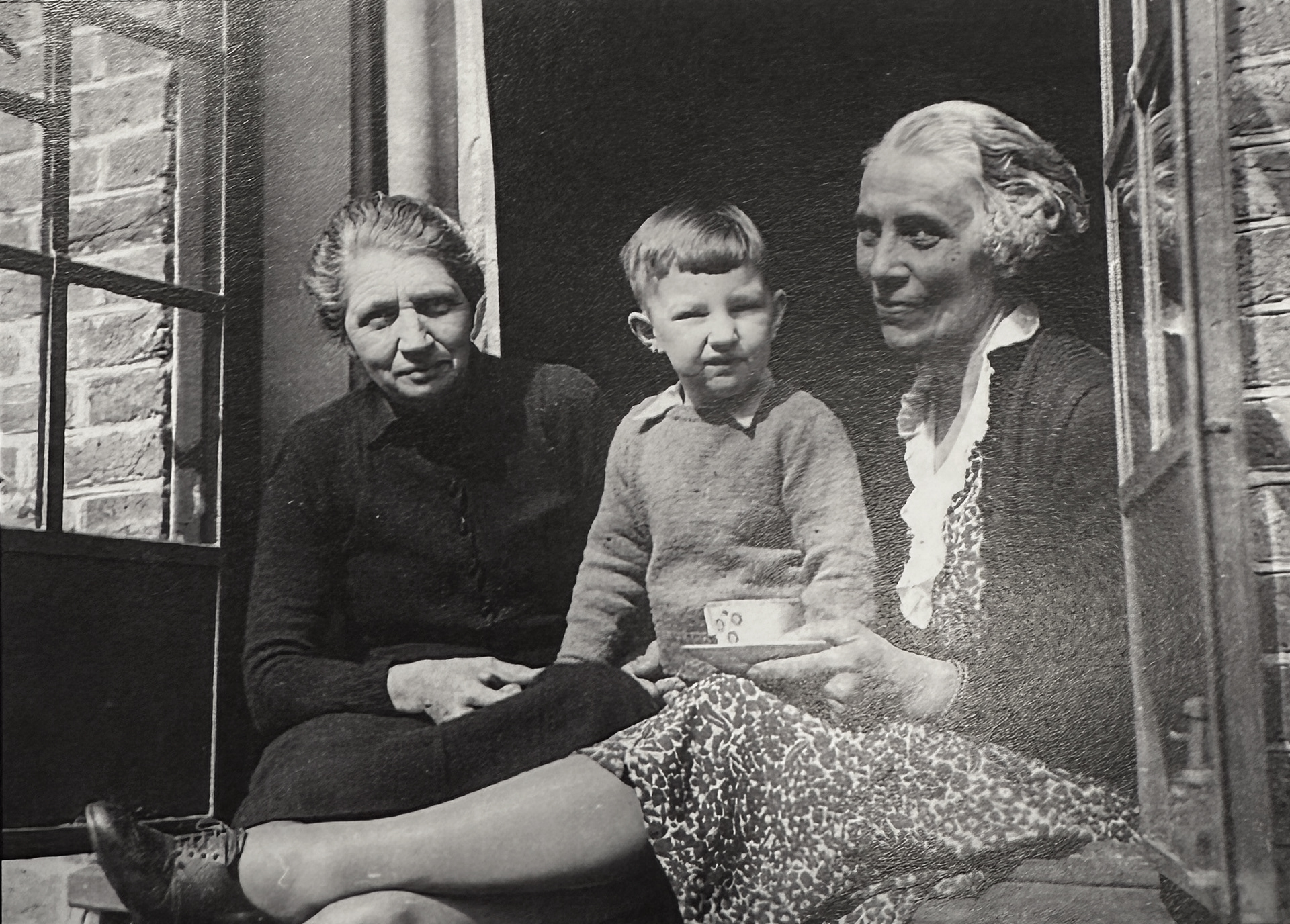
1940, Hetty and Hulda with Mark Ransome in England, Hetty is the grandmother of Mark and Hulda was called “auntie”. Source: Sally Elliott, Smyrna, one family’s tale, 2013.
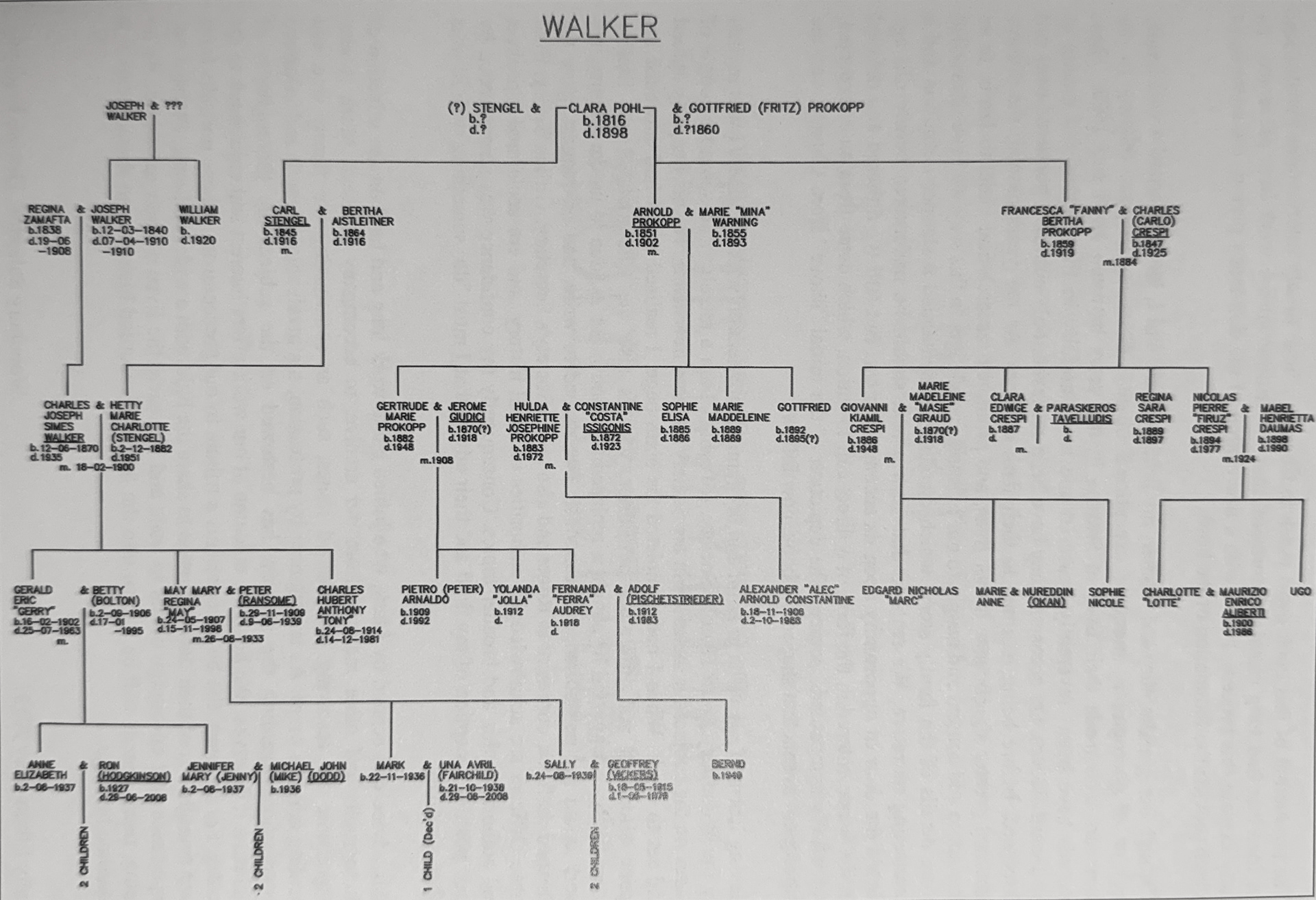
Prokopp and allied families chart compiled by Mark Ransome. Source: Sally Elliott, Smyrna, one family’s tale, 2013. More on the Prokopp genealogy:
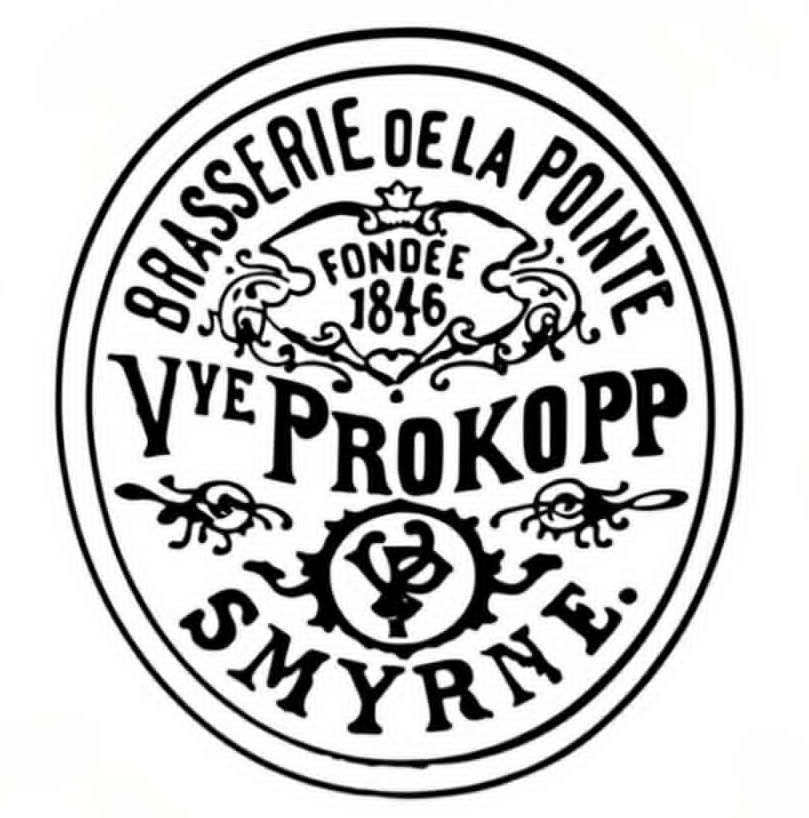
Prokopp bottle label.
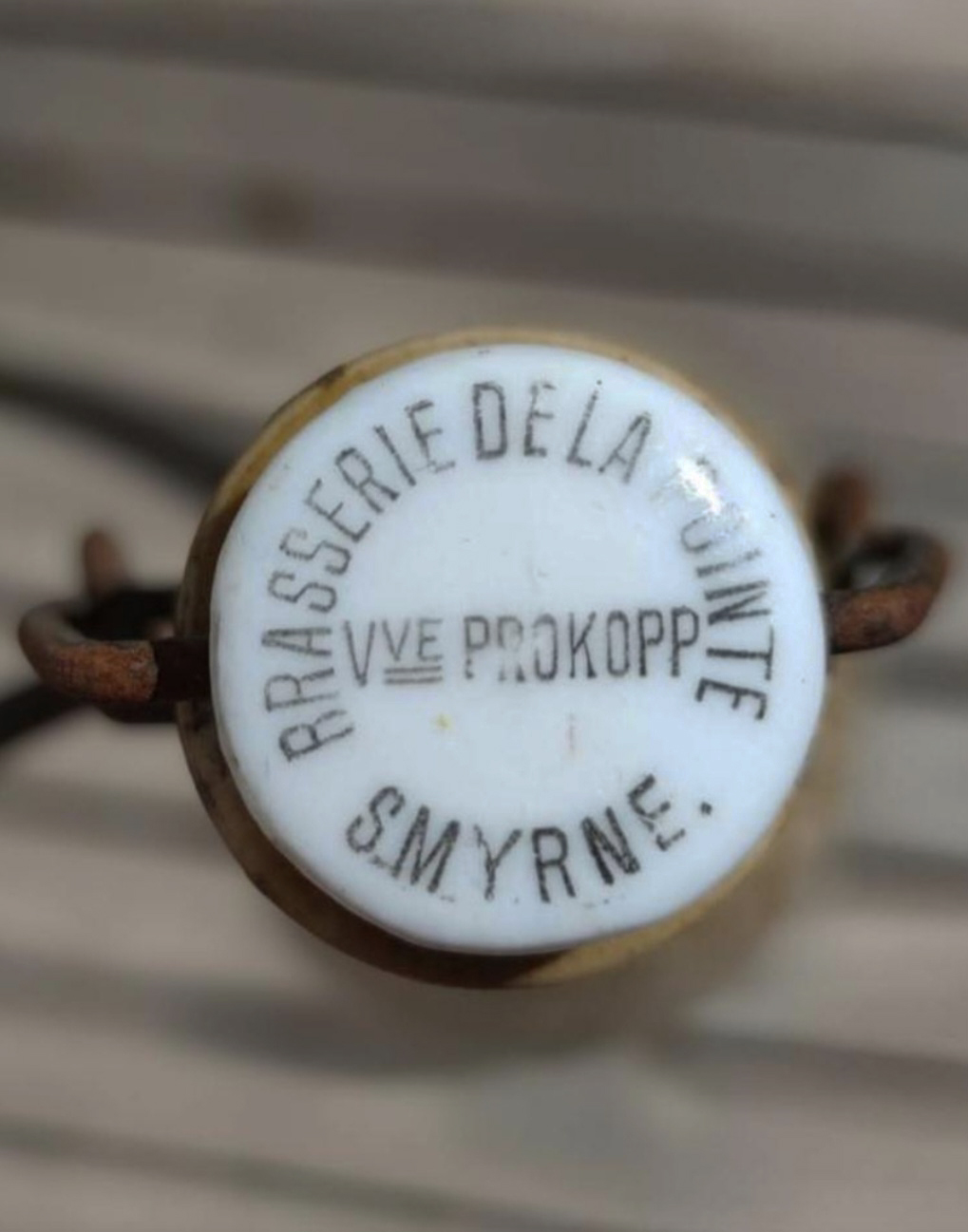
Prokopp brewery bottle-stop.