
Ephemera
Joseph-Philibert Girault de Prangey photographs of the Levant
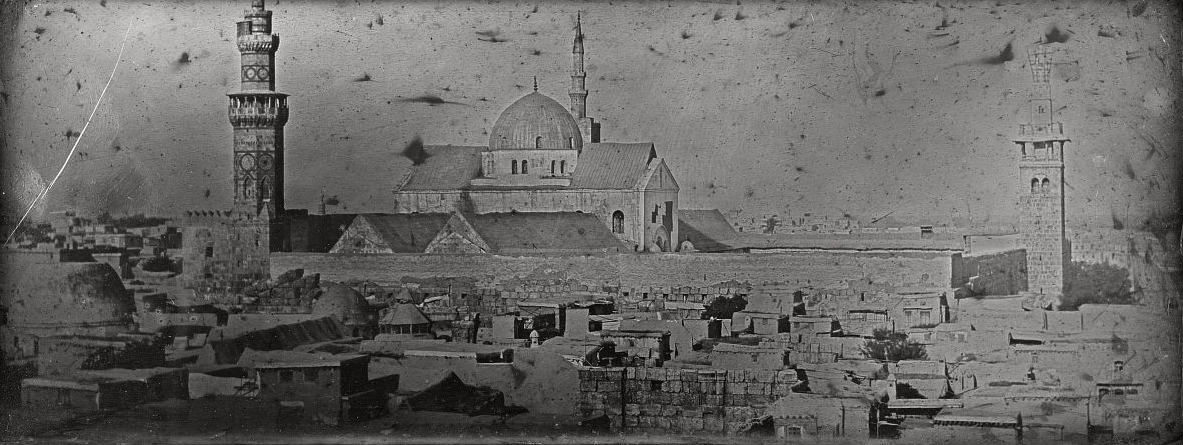
Joseph-Philibert Girault de Prangey (21 October 1804 – 7 December 1892) was a French scholar and draughtsman whose use of photography while he was active in the Middle East pursuing archaeology and studying ancient architecture has made him recognized as an important early photographer. His daguerreotypes are the earliest surviving photographs of Greece, Palestine, Italy, Egypt, Syria, and Turkey. After his death in 1892, his carefully stored photographs were discovered in the attic of his estate in the 1920s and they only became known as important works eighty years later.
Between 1841 and 1844, de Prangey made a grand tour that included Italy and the countries of the eastern Mediterranean, producing more than 900 daguerreotypes of architectural views, landscapes, and portraits of residents he encountered in their cultural settings.
After his return to France, he made watercolour and pen-and-ink studies using his photographs and published a small-edition book of lithographs from them. Responses to the publication failed to encourage further publication of his artwork and he turned his concentration to his interest in the study of exotic plants at his estate. He clearly was ahead of his time in terms of viewing photography both as an art form and an accurate record of sites often in a vulnerable state, thus making the process historically relevant. In 1998, de Prangey’s family decided to sell the collection. A majority went to the Bibliothèque Nationale de France in Paris; the rest landed in museums and private collections. Once the importance of his photography was known, his work was able to command high prices in the art world. In May 2003, Sheikh Saud Al Thani of Qatar purchased a daguerreotype by Joseph-Philibert Girault de Prangey for a world-record price of £565,250. On 30 January 2019, the Metropolitan Museum of Art opened ‘Monumental Journey: The Daguerreotypes of Girault de Prangey’. Approximately 120 photographs that the amateur archaeologist created in Greece, Egypt, Syria, Turkey, and the Levant during a self-financed tour of the region in the early 1840s were presented. What is also remarkable that de Prangey was able to achieve this in a region where no photographic supplies or solutions could be procured and in a harsh climate he clearly was a resourceful man with no shortage of dedication and perseverance - Louis Daguerre introduced his groundbreaking photographic process only a few years before these pictures were taken, in 1839. The photos here cover the Levant region and only a portion of those.
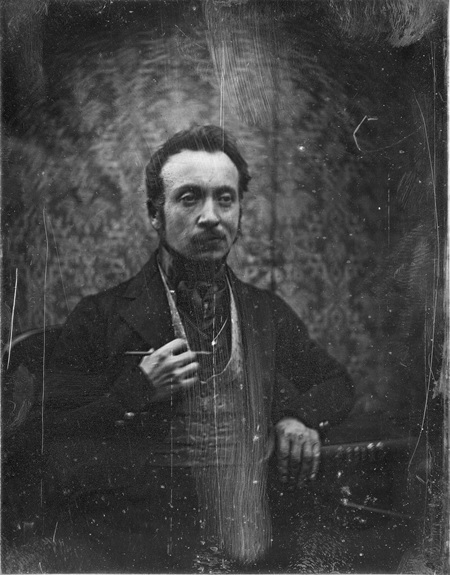
Joseph-Philibert Girault de Prangey, 1840 self-portrait.
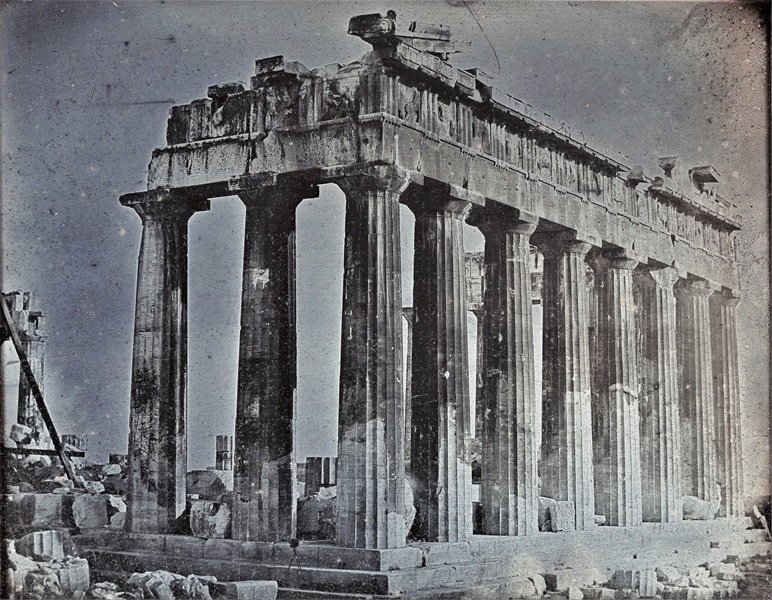
Facade and North Colonnade of the Parthenon on the Acropolis, Athens, Greece, 1842.
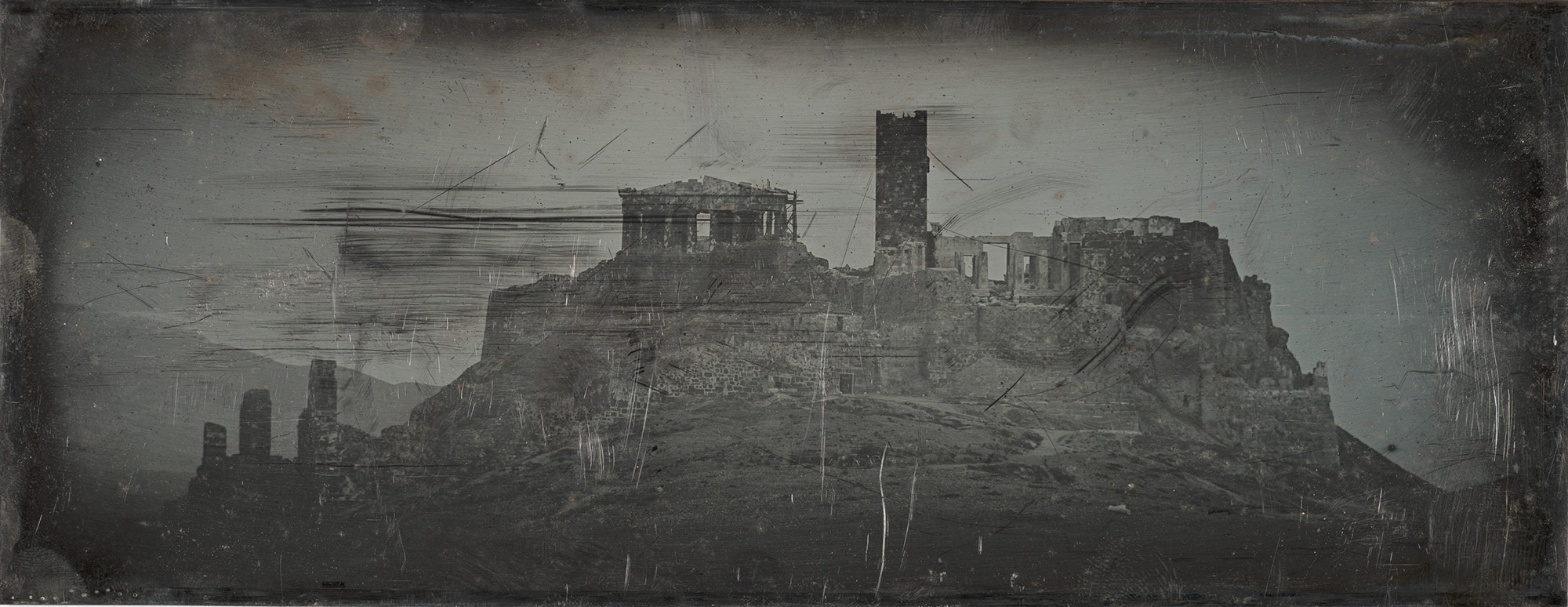
Western Approach to the Acropolis, Athens, 1842. The panoramic view of the famed ancient Greek Acropolis is dominated by the tall building known as the Frankish Tower, one of many Byzantine, Frankish, and Ottoman structures added to the hilltop citadel over the centuries. After Greek independence (1832), most non-Classical features were cleared away—when Girault visited, much of the site was covered in rubble—and the tower was demolished in 1875. In Girault’s mirror-image view, the tower is flanked by the Parthenon (on the left) and the Propylaea. De Prangey described his demanding work at the Acropolis (from calculating exposure times to manipulating noxious chemicals in variable conditions) as a rewarding yet challenging photographic campaign: “Nothing in the world is as marvelous or perfect as all that is contained by the Athenian acropolis!”
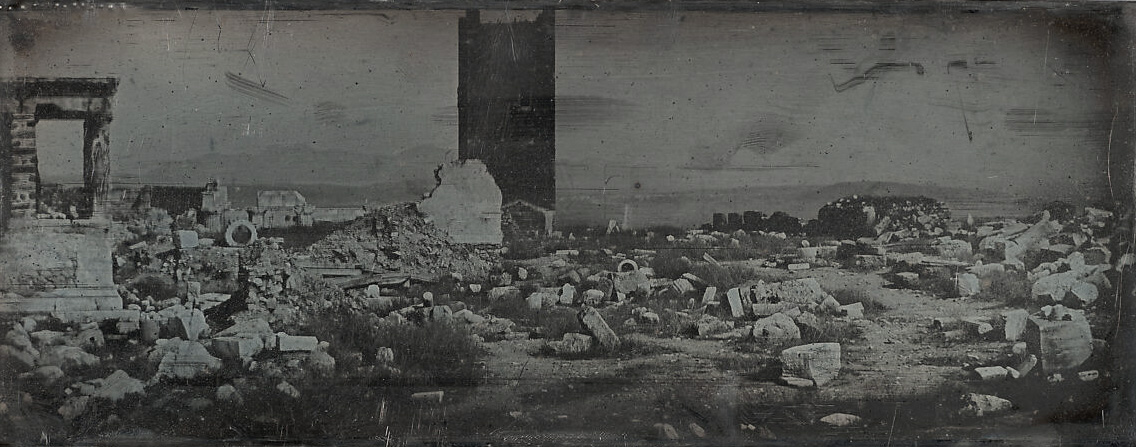
Ruins and Foreground, Acropolis, Athens, 1842. The desolate scene, a panoramic extension of his photograph of the Erechtheion, highlights the remnants of one of the many sieges suffered by Athens over the centuries and Ottoman indifference at the time for classical ruins.
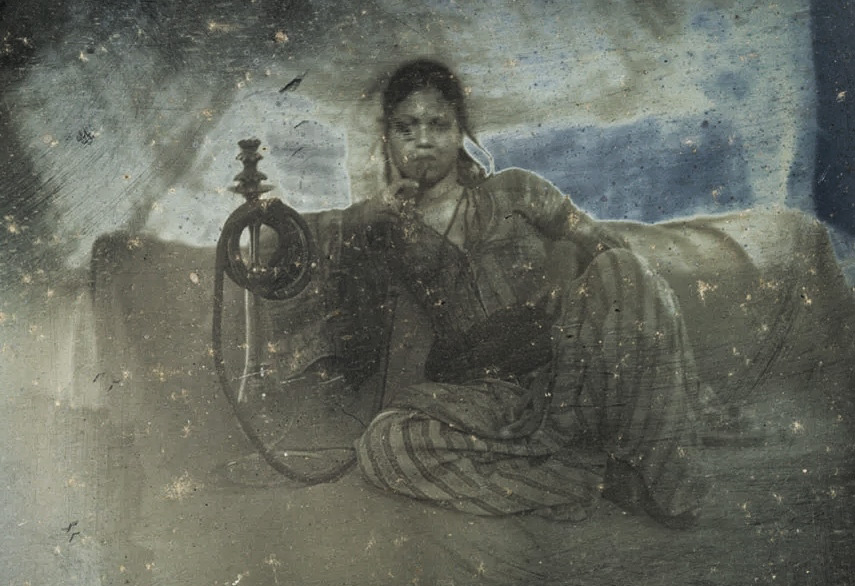
Ayoucha, Cairo, 1842–43 - a rare image depicting a person.
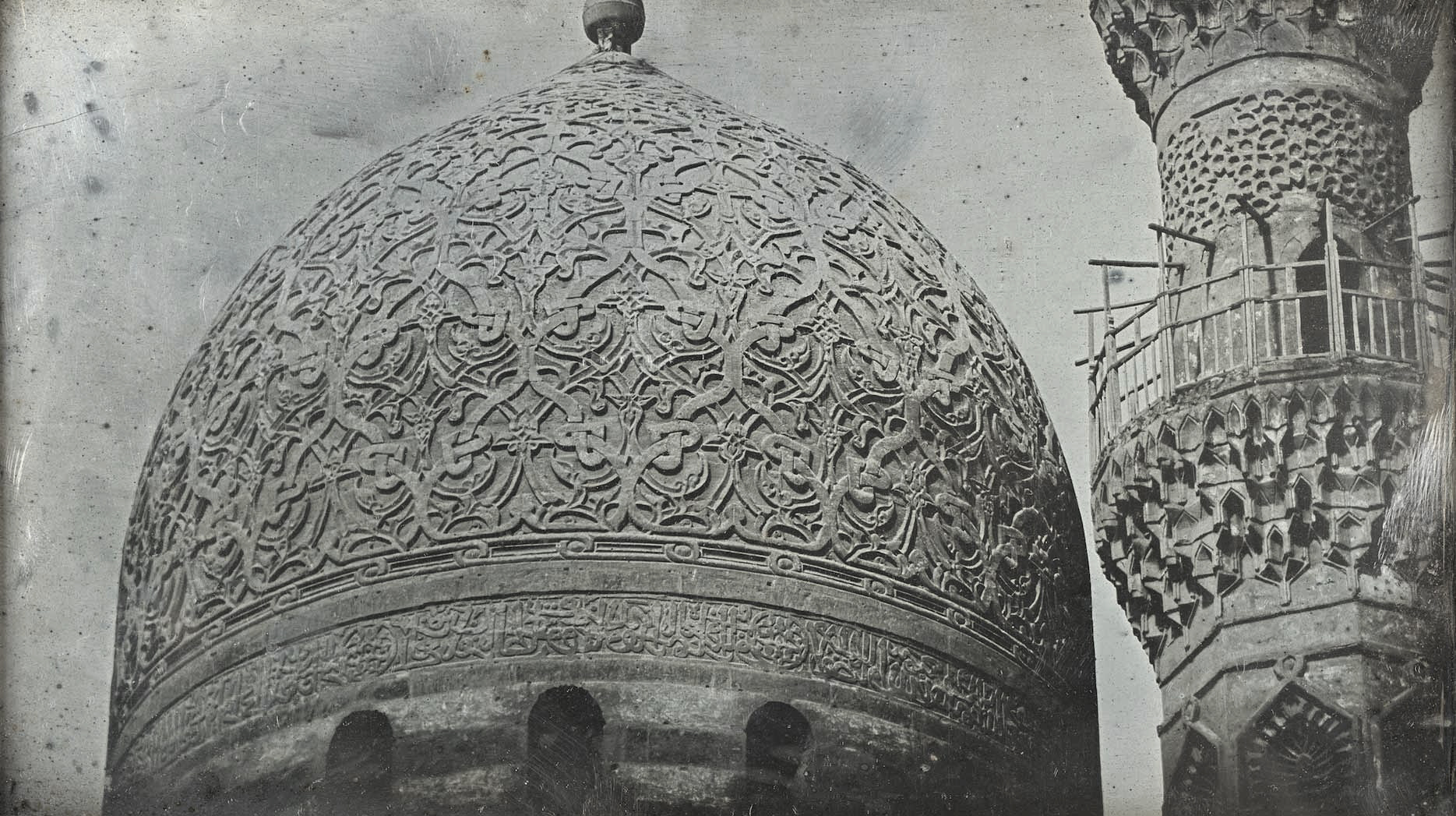
Dome, Khayrbak Mosque, Cairo, 1843. Also known today as the Amir Khayrbak Funerary Complex. The complex originally consisted of a mausoleum established by the Ottoman governor of Egypt Khayr Bak in 1502/1503. In 1519/1520 he added a madrasa and a mosque, and annexed the adjacent Amir Alin Aq Palace which was used by him as residence.
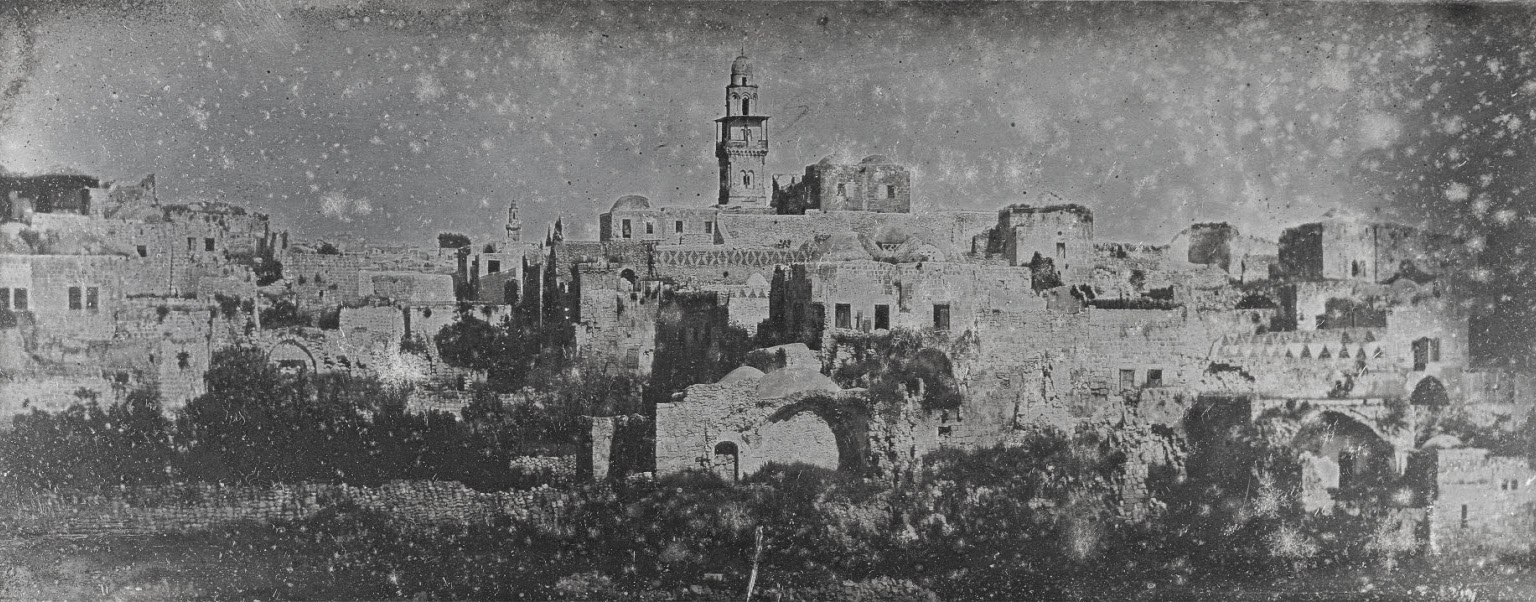
Jerusalem - Haram al-Sharif, 1842.
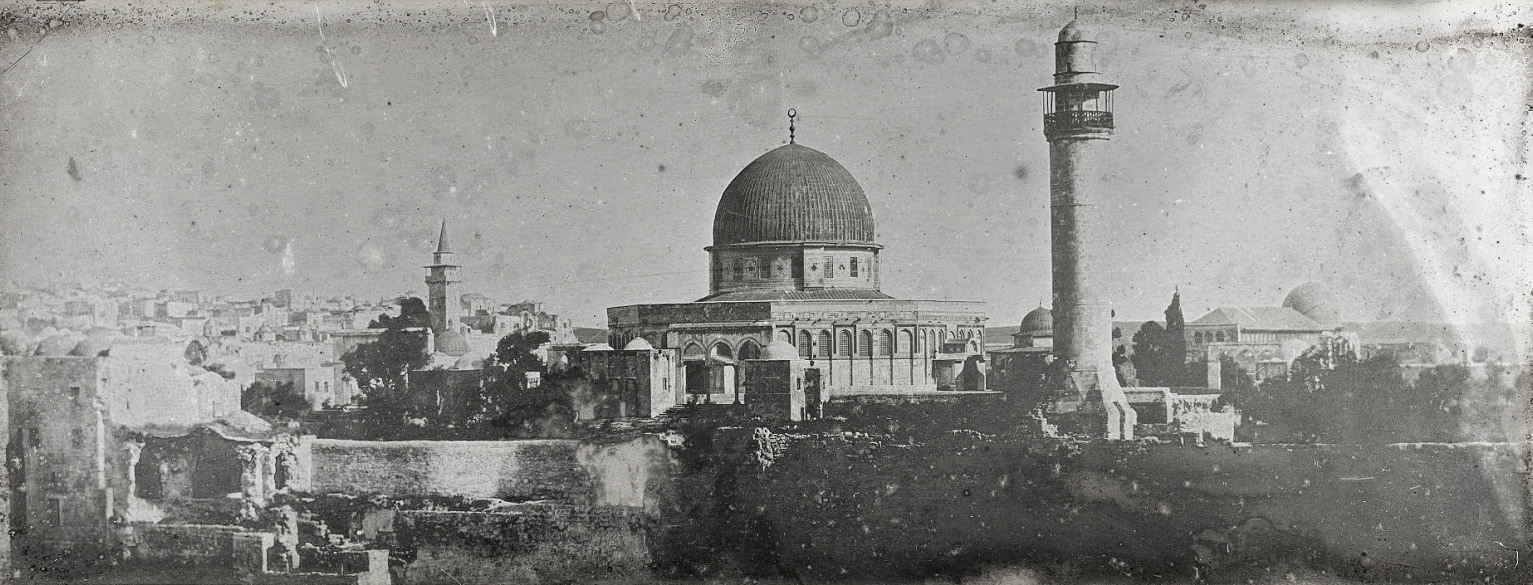
Jerusalem - Esplanade of the Temple of Solomon, 1842.
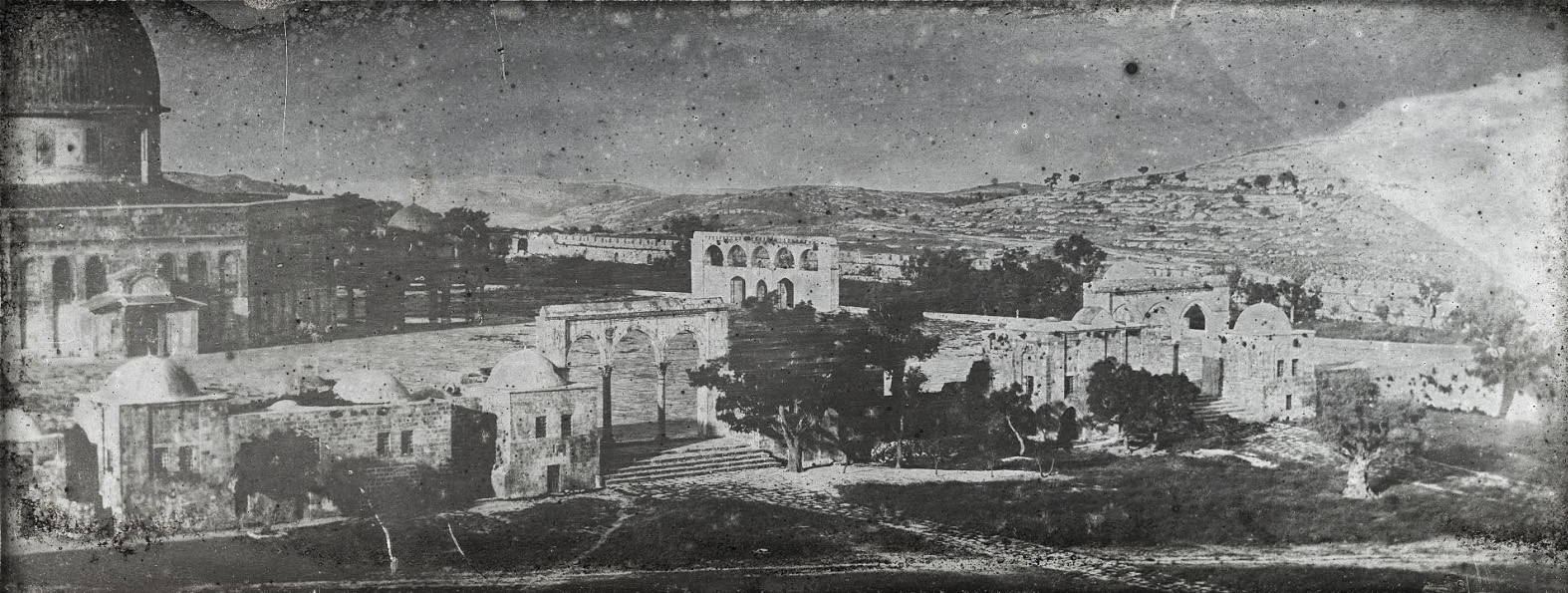
Jerusalem - Dome of the Rock, 1842.
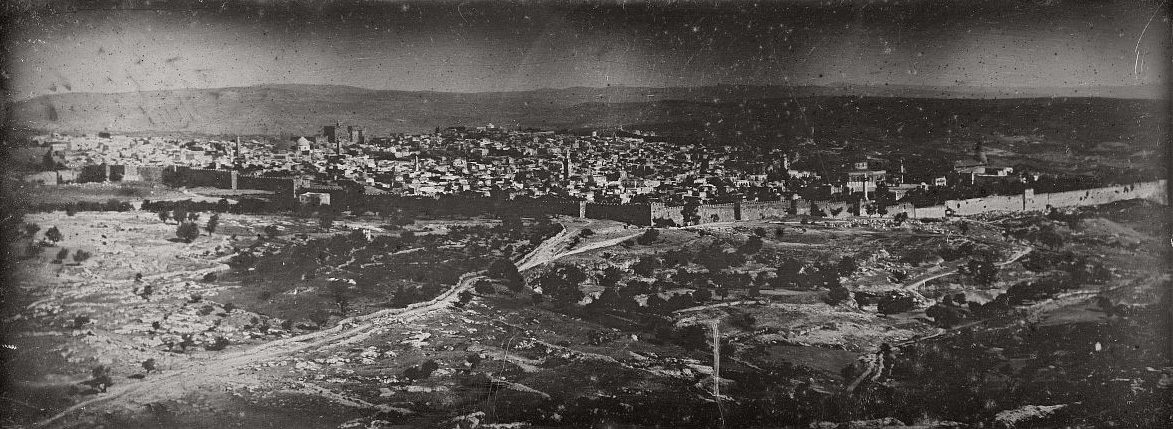
Jerusalem: panoramic view, 1842.
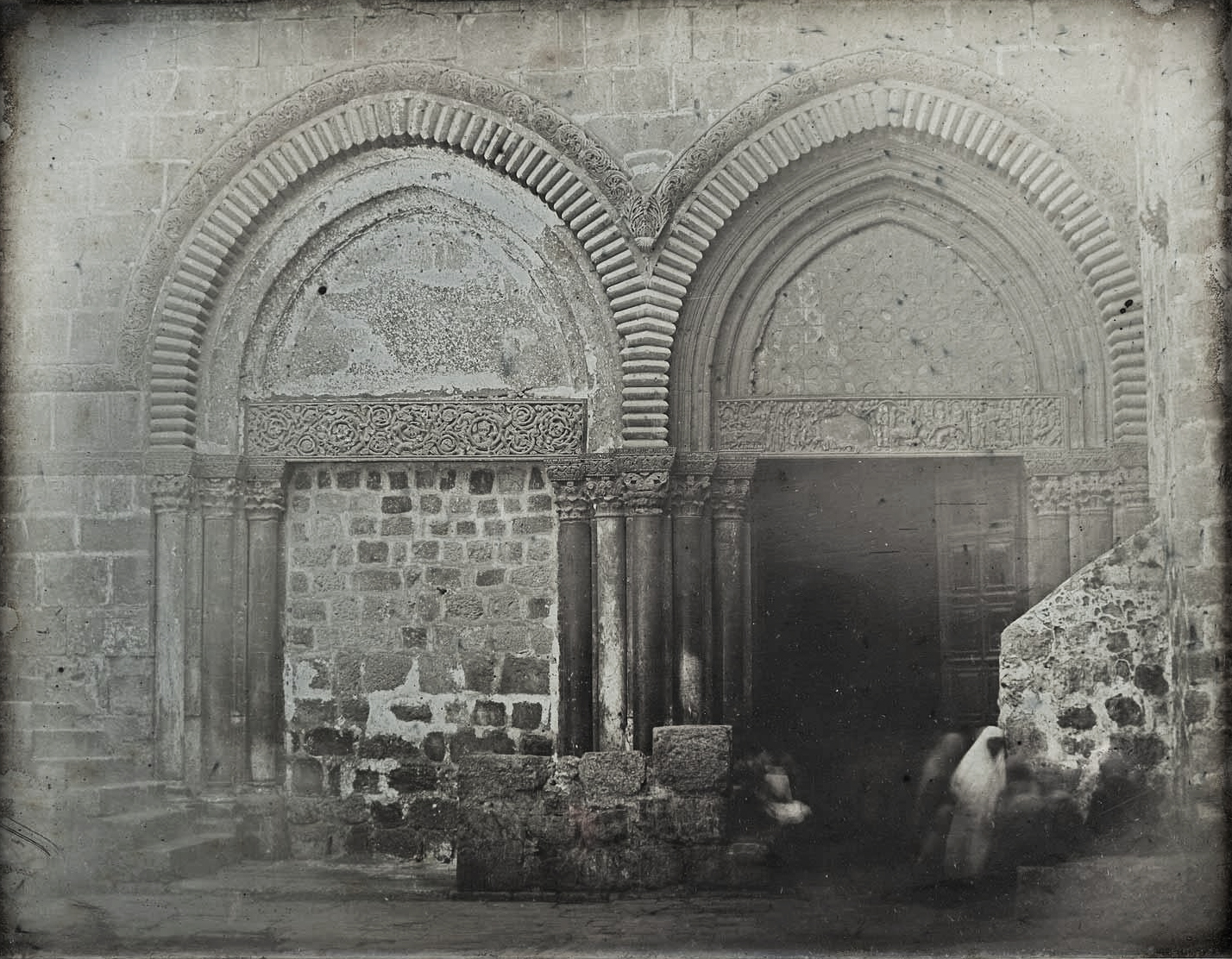
Portal, Church of the Holy Sepulchure, Jerusalem, 1844.
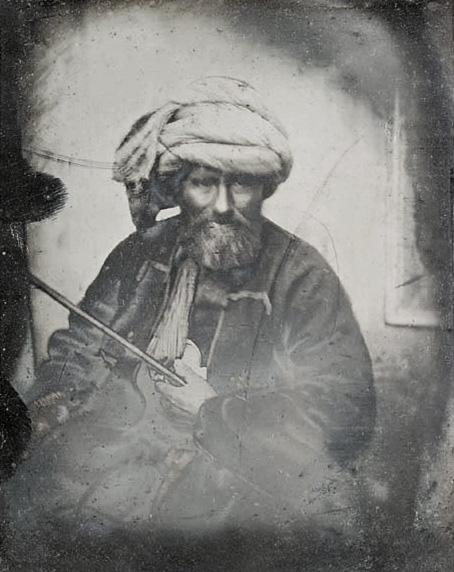
Constantinople. Surudjé (?sürücü = cart driver).
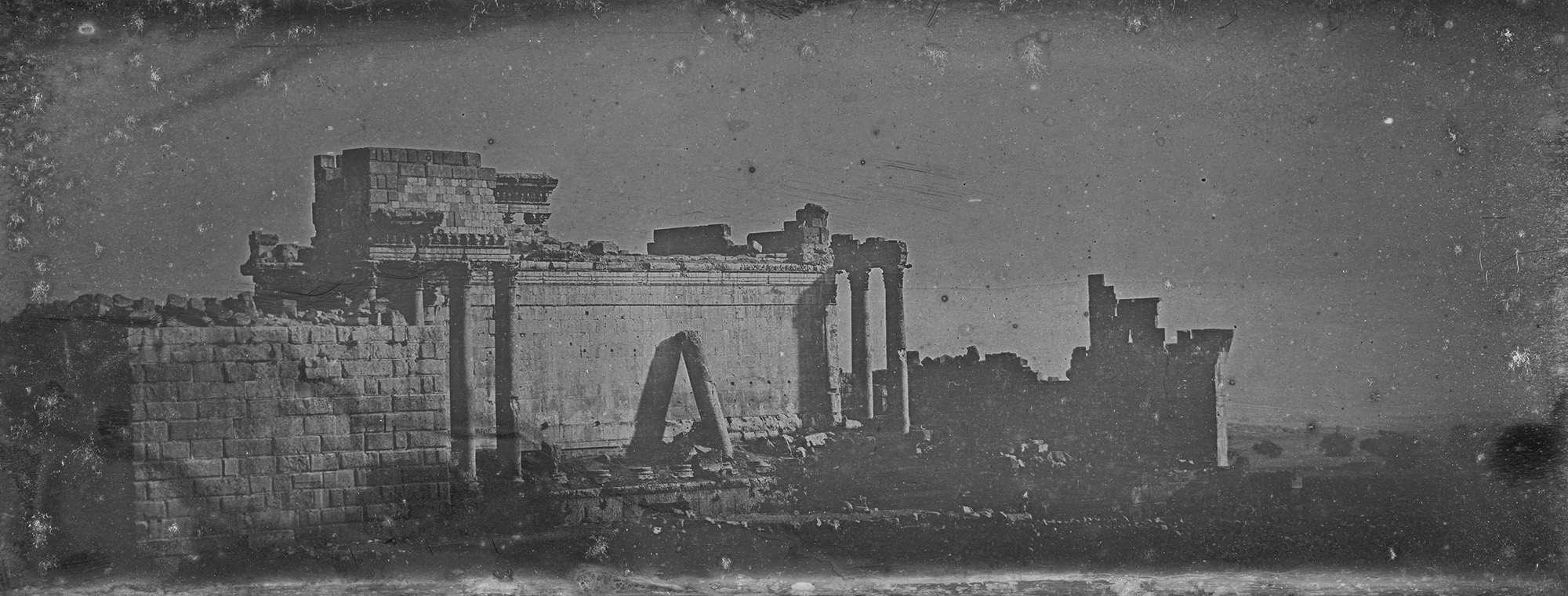
Temple of Bacchus (de Prangey refers to as “petit temple”), Baalbek, 1843-4.
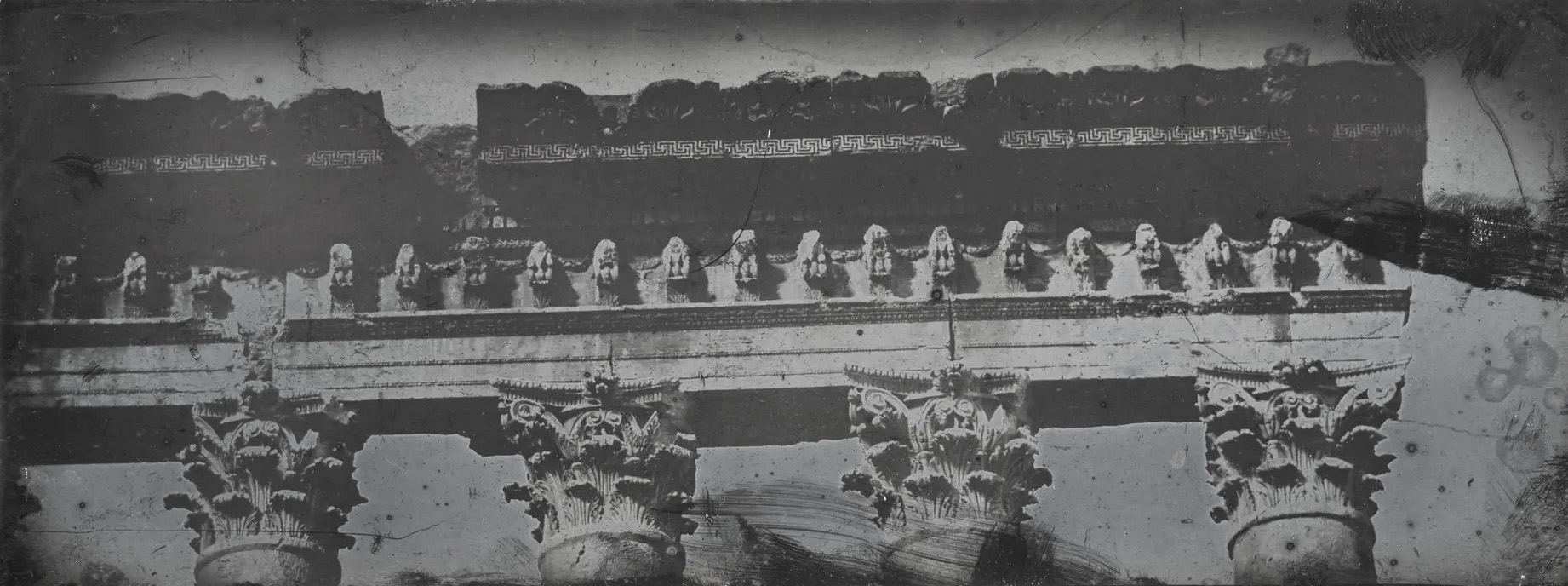
Entablature, Temple of Jupiter, Baalbek, 1843-44.
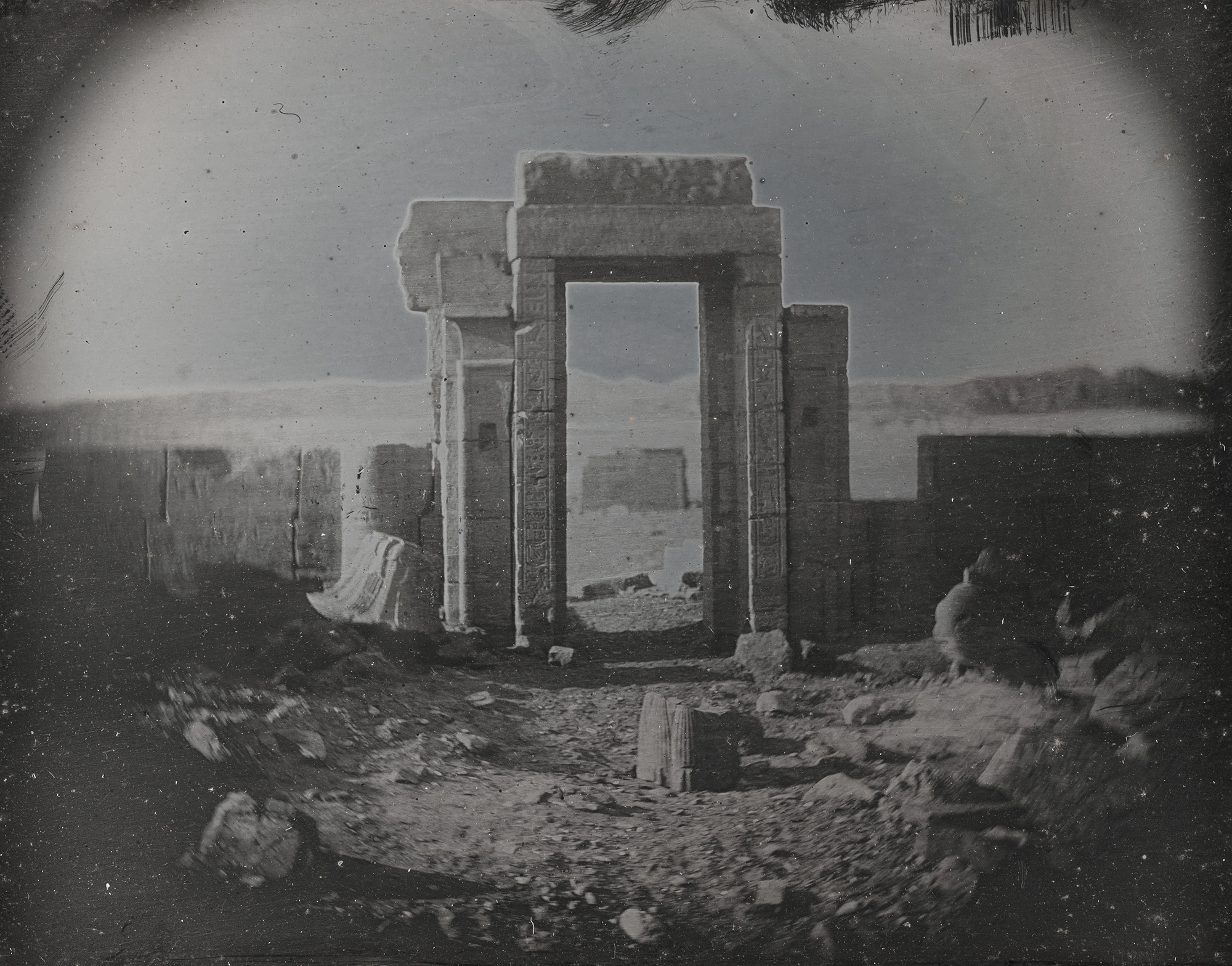
Temple of Horus, 1844. Today, the Temple of Horus is one of the best-preserved ancient Egyptian monuments, but when de Prangey visited, it was still half-buried under sand. The complete temple was rediscovered in the 1860s by the French archaeologist Auguste Mariette.
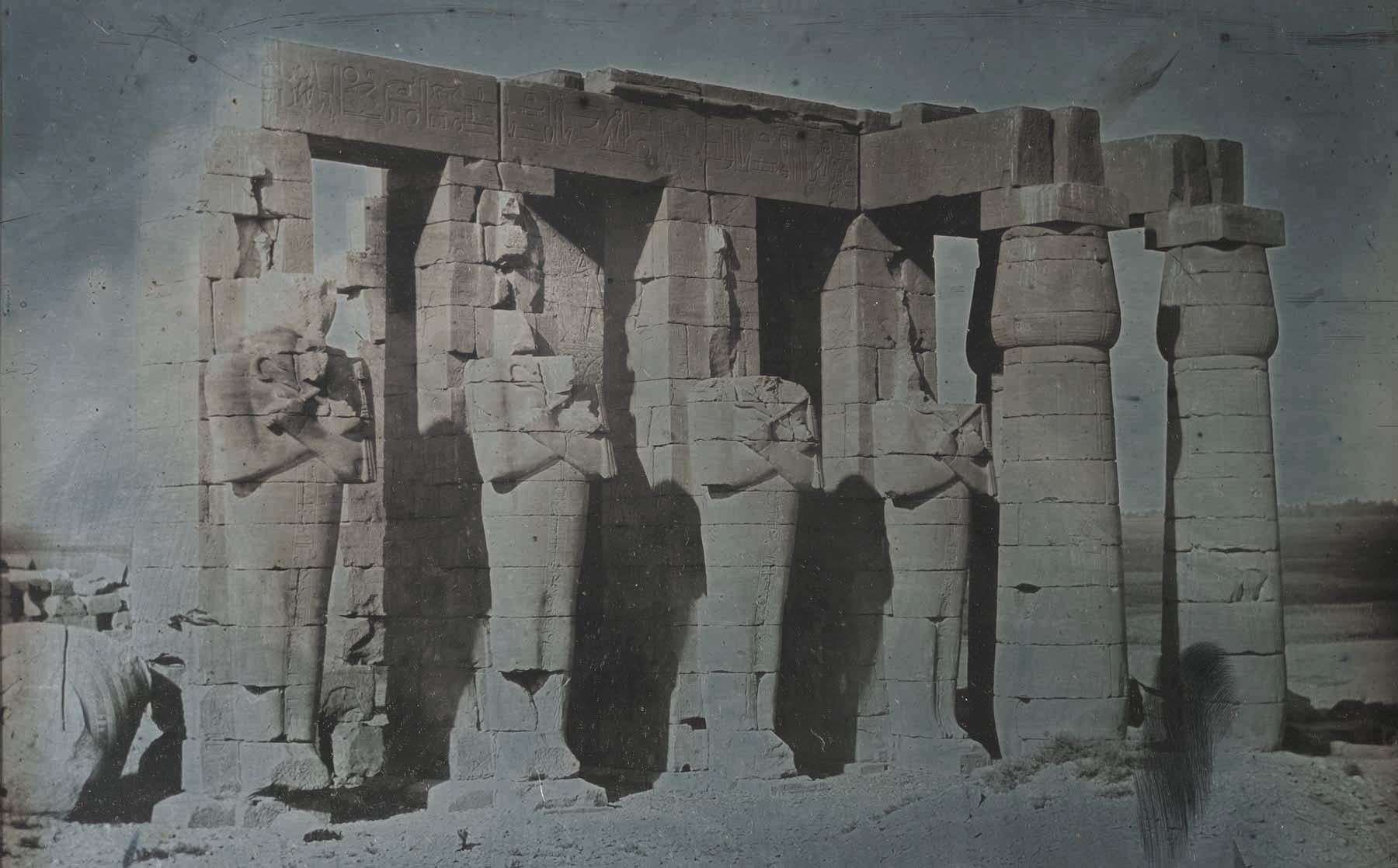
Ramesseum, Thebes, Egypt, 1844. The pillars of the thirteenth-century B.C. funerary temple of the pharaoh Rameses II, pictured here, incorporate the decapitated figures of Osiris, the Egyptian god of death and resurrection.
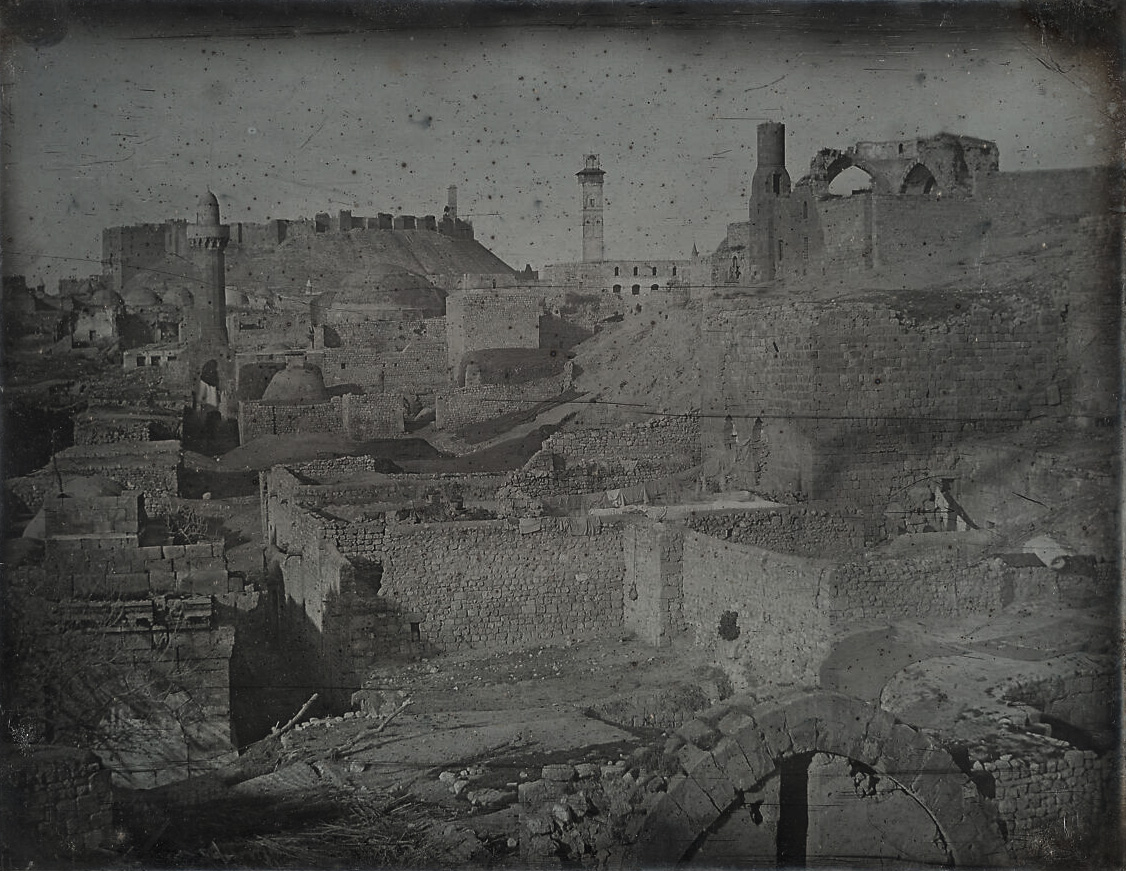
Aleppo, Viewed from the Antioch Gate, 1844. The ancient city of Aleppo, in northwest Syria, was once the most important trading city in the Levant. Girault made his panoramic view of the city from the Antioch Gate (Bab Antakya), one of Aleppo’s oldest defensive gates. The renowned square minaret of the Umayyad Mosque (seen in the center of the image) collapsed in 2013 as conflict intensified during the Syrian Civil War.
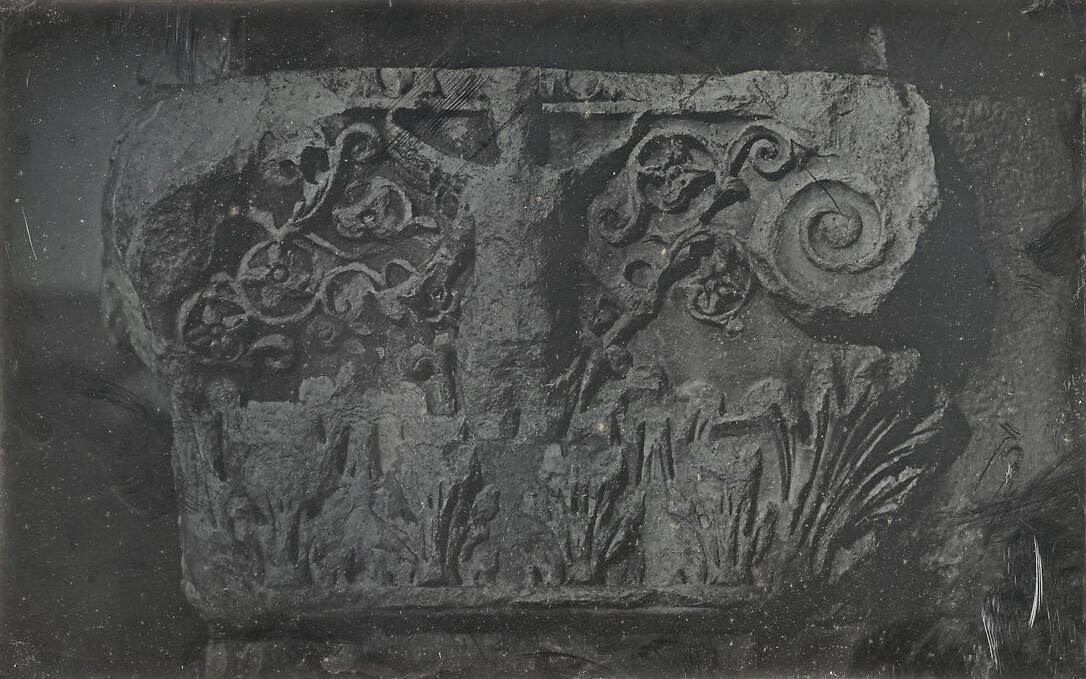
Capital, Greco-Roman Theater, Miletus, 1843. Sculptural detail from a pillar near the theater of the ancient Greek city of Miletus in Turkey. The Neried, or the sea-nymph, is indicative of the importance and proximity of the Mediterranean Sea.

Temple of Artemis, Sardis, 1843. De Prangey’s view isolates two unfinished columns topped with curvilinear Ionic volutes, which still survive today. Sardis (now Sart in Western Turkey) was the capital of the ancient kingdom of Lydia, where a large temple to the goddess Cybele, known as Artemis to the Greeks, was begun during the third century B.C. but never completed.
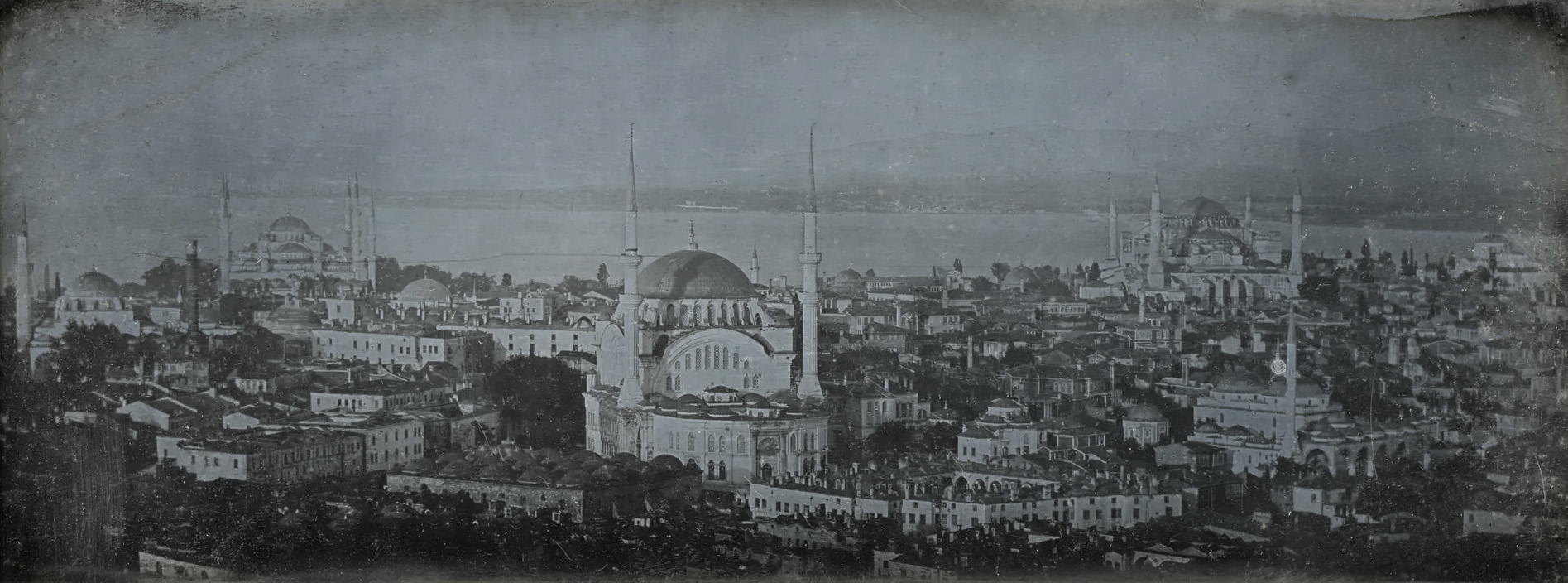
Seraglio, Constantinople, 1843. The former Cathedral of Saint Sophia is visible in the distance on the right.
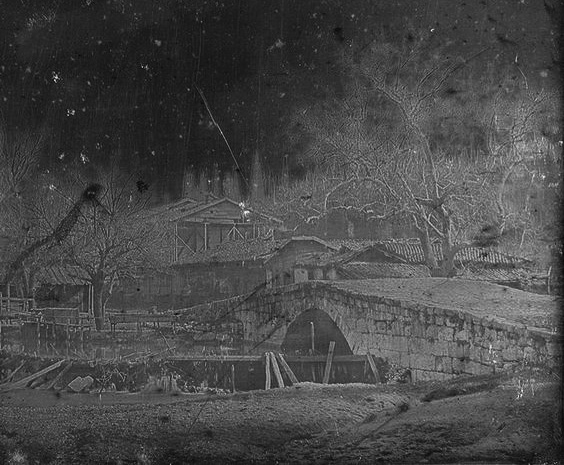
Caravan Bridge of Smyrna, 1843. This like almost all of the above represents the oldest photo taken in this location.
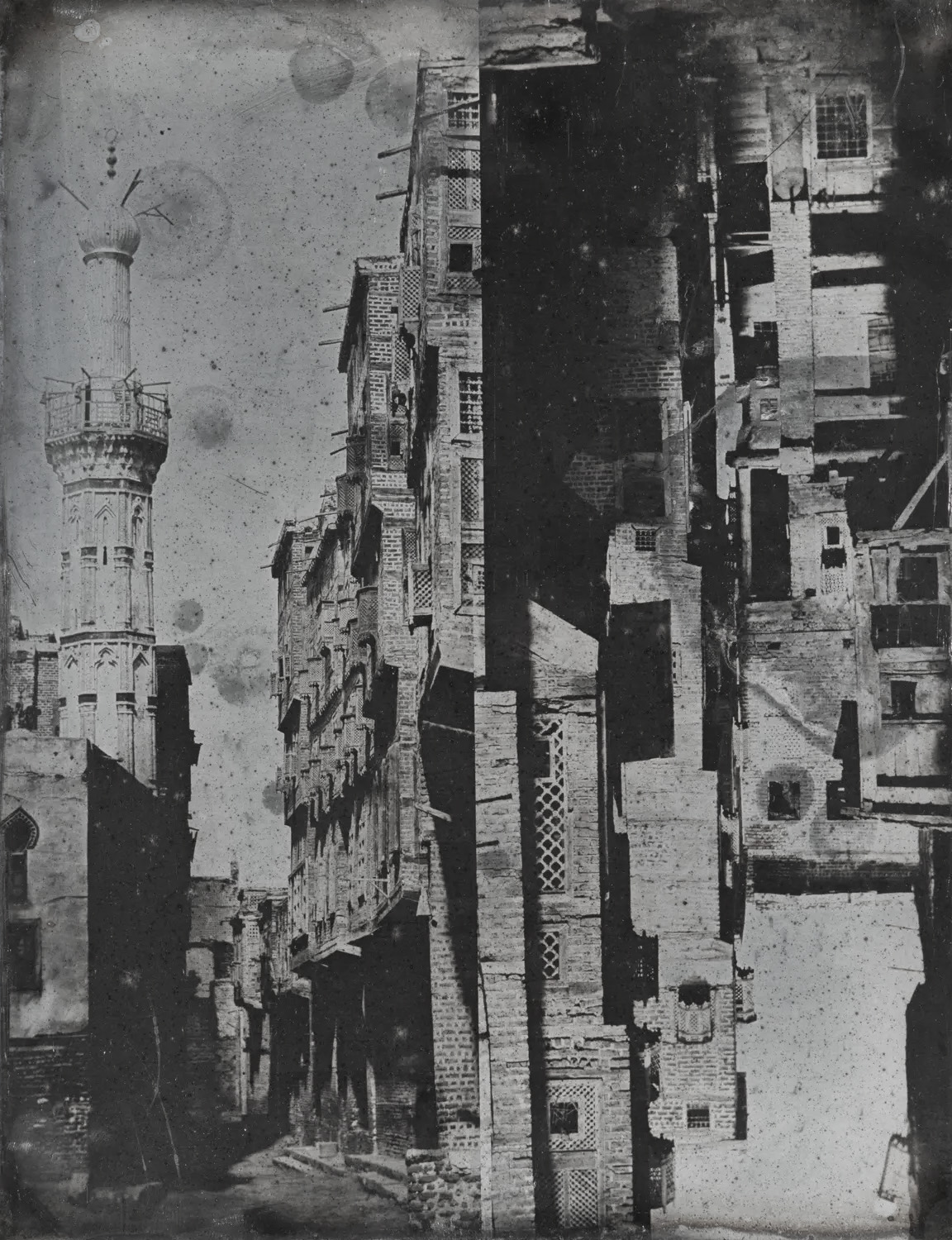
Street in Rosetta, 1842.