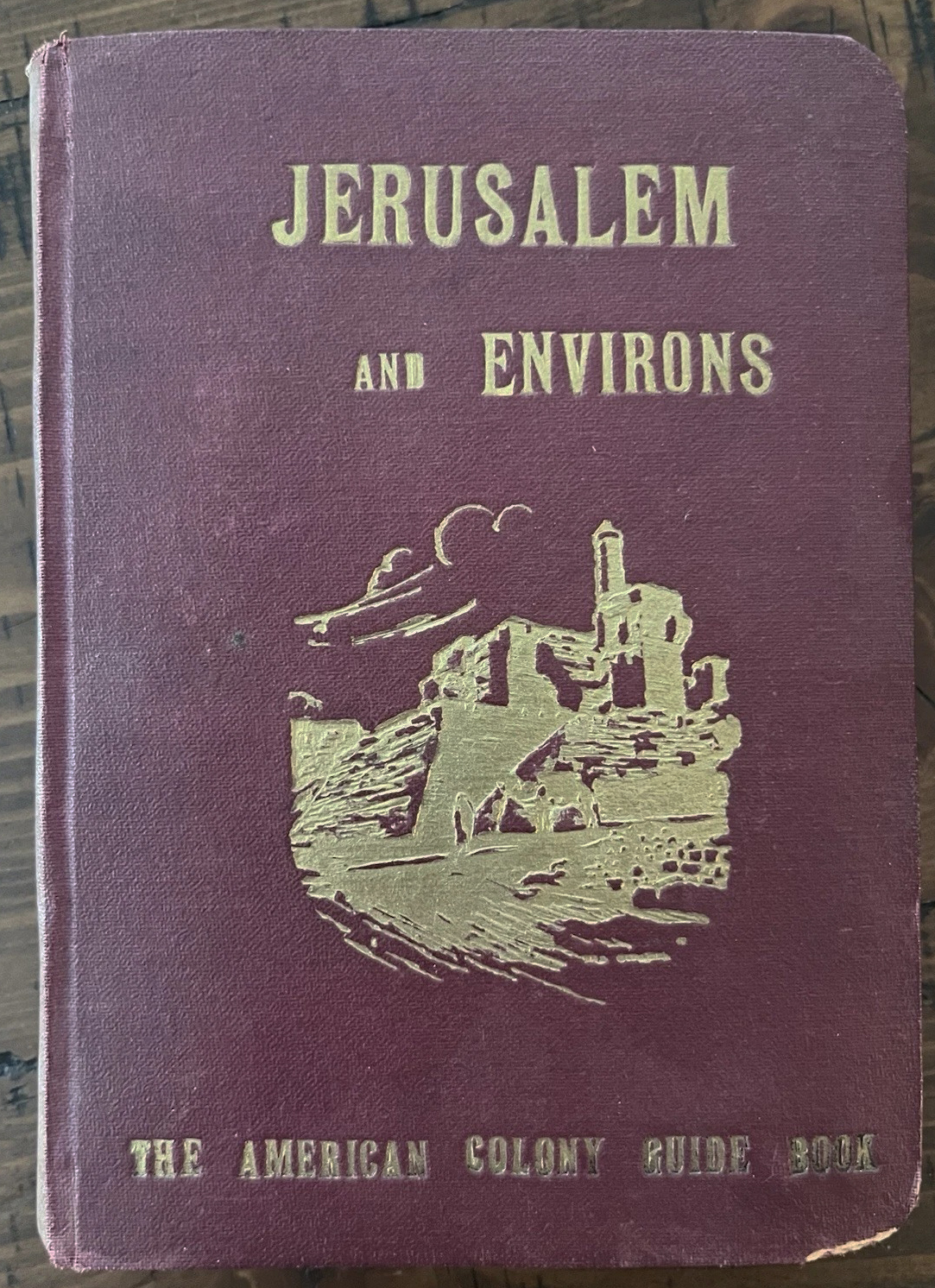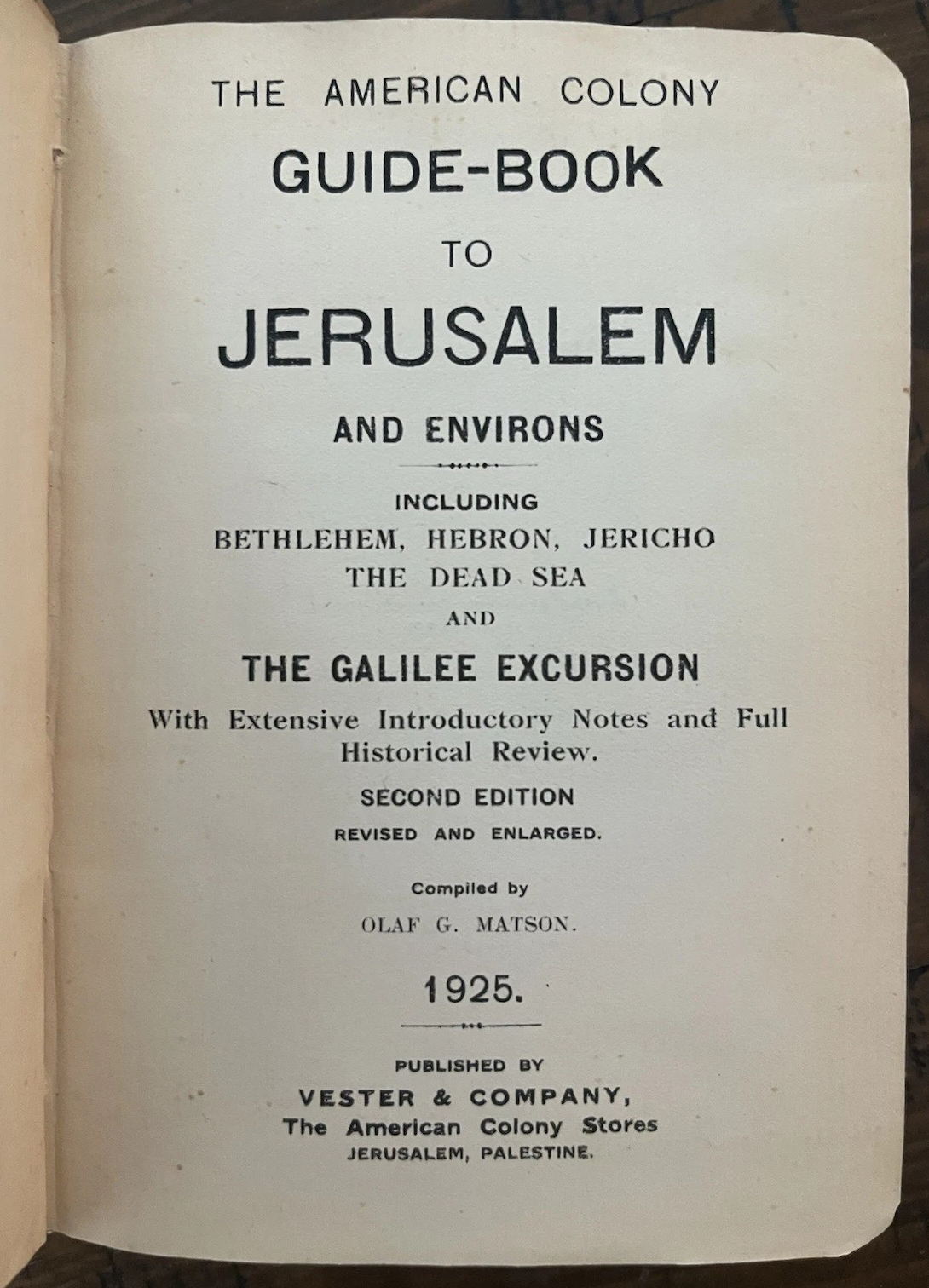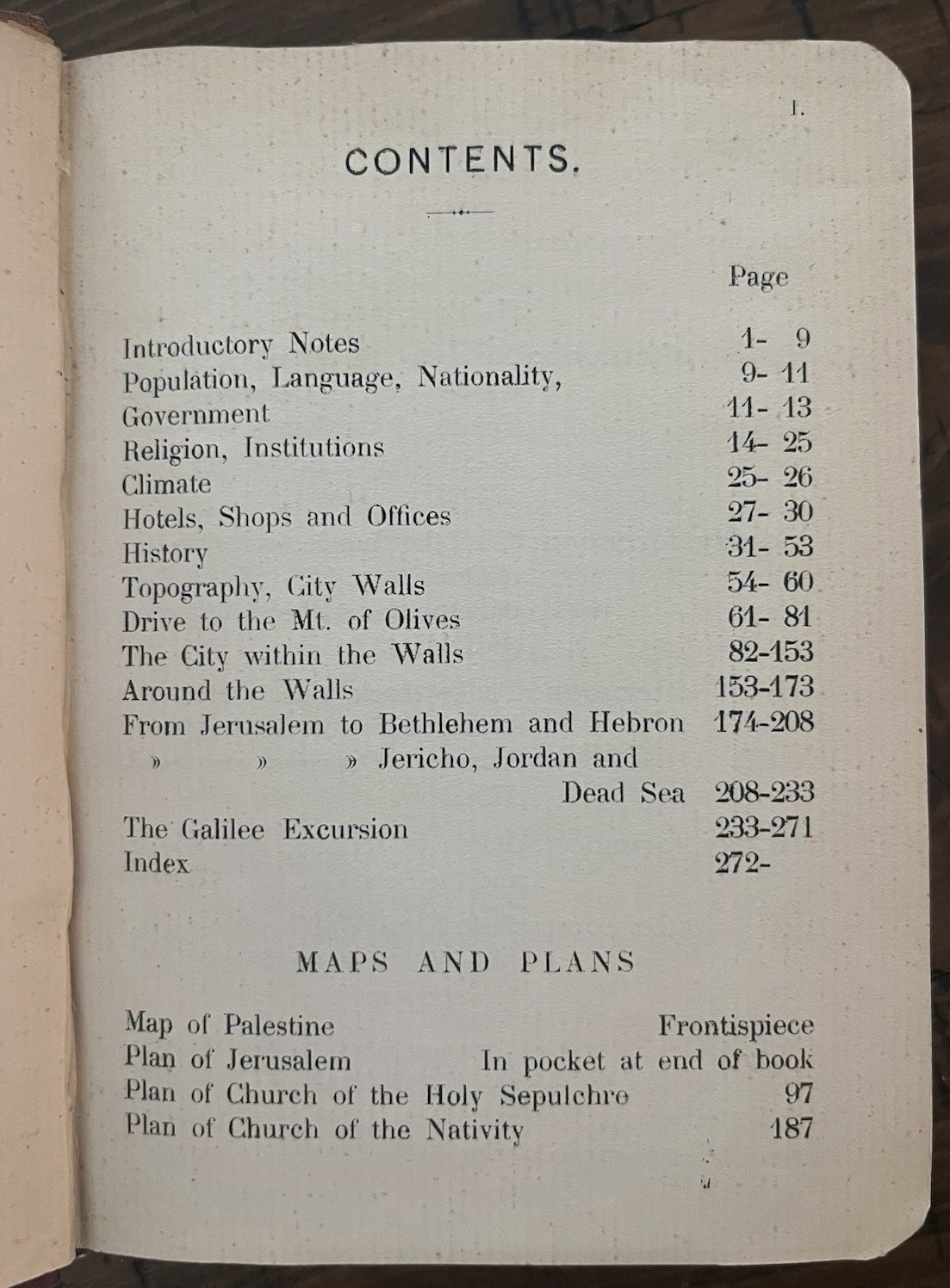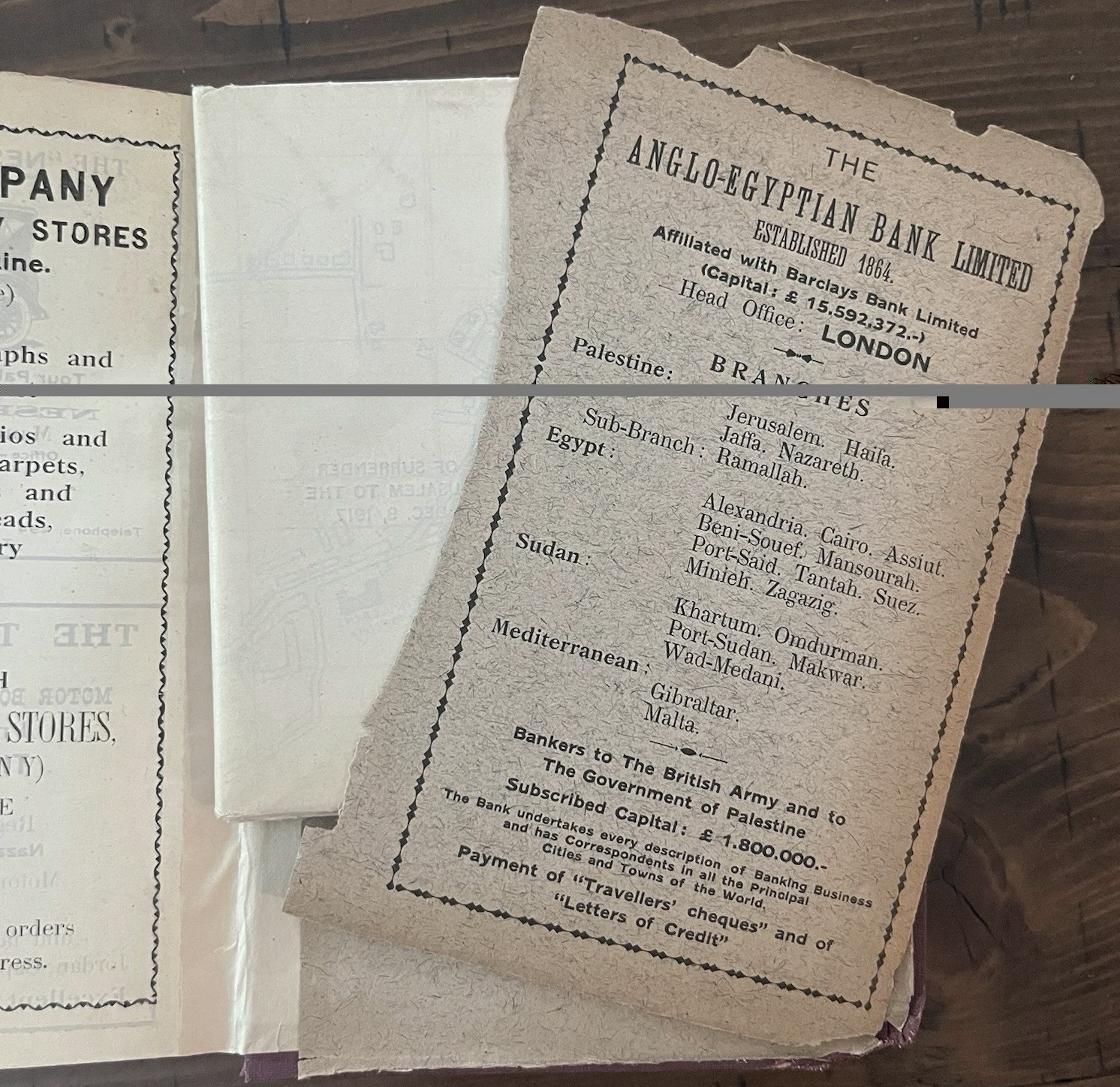

Ephemera
The American colony of Jerusalem
The American religious foundation and philanthropy that informally became known as the American Colony of Jerusalem, was established in the Ottoman Empire in 1881 as a ‘Christian utopian society’ led by American religious leader Horatio Gates Spafford and his Norwegian wife Anne Tobine Larsen Øglende. The society engaged in philanthropic work amongst the people of Jerusalem regardless of religious affiliation, gaining the trust of the local Muslim, Jewish, and Christian communities. During and immediately after World War I, the American Colony carried out philanthropic work to alleviate the suffering of the local inhabitants, opening soup kitchens, hospitals, orphanages and other charitable ventures. In contrast to the Protestant missionaries in Jerusalem, they never worked for the conversion of those of other faiths.
Around 1900, Elijah Meyers, a member of the American Colony, began taking photographs of places and events in and around the city of Jerusalem. Meyers’s work eventually expanded into a full-fledged photographic division within the colony, the so-called American Colony Photo Department, including Hol Lars (Lewis) Larsson and G. Eric Matson, who later renamed the effort as The Matson Photo Service. Their interest in archeological artifacts, and the detail of their photographs, led to widespread interest in their work by archeologists. The collection was later donated to the Library of Congress.
The colony was permitted to continue its relief efforts even after the United States entered the war on the side of the Allies in the spring of 1917. As the German and Turkish armies retreated before the advancing Allied forces, the American Colony took charge of the overcrowded Turkish military hospitals, which were inundated by the wounded. The outbreak of World War I in 1914 brought great suffering to the country. All young men were conscripted into the army, while the older men were drafted into work brigades. Food supplies dwindled as the Allies sustained a blockade of the Palestinian coast, and the Turkish army confiscated provisions. Weakened by malnutrition, people died of typhus and other epidemics. As famine, disease, and death ravaged the people of Jerusalem, the colony, struggling for their own survival, engaged in relief work. With money from friends in the United States, the American Colony ran a soup kitchen that fed thousands during these desperate times. When the British Allied commander, General Allenby, entered Jerusalem on December 11, 1917, the colony offered their philanthropic services to the new rulers of Palestine and continued to serve their fellow Jerusalemites. The colony also administered an orphanage to provide refuge for the many children torn from their parents during World War I. The charitable work begun by the Spaffords continues today in the original colony house abutting the walls of the Old City of Jerusalem. The Spafford Children’s Center provides medical treatment and outreach programs for Arab children and their families in Jerusalem.
Although the American Colony ceased to exist as a religious community in the late 1940s, individual members continued to be active in the daily life of Jerusalem. Towards the end of the 1950s, the society’s communal residence was converted into the American Colony Hotel. The hotel is an integral part of the Jerusalem landscape where members of all communities in Jerusalem still meet. In 1992 representatives from the Palestine Liberation Organization and Israel met in the hotel where they began talks that led to the historic 1993 Oslo Peace Accord. More info:
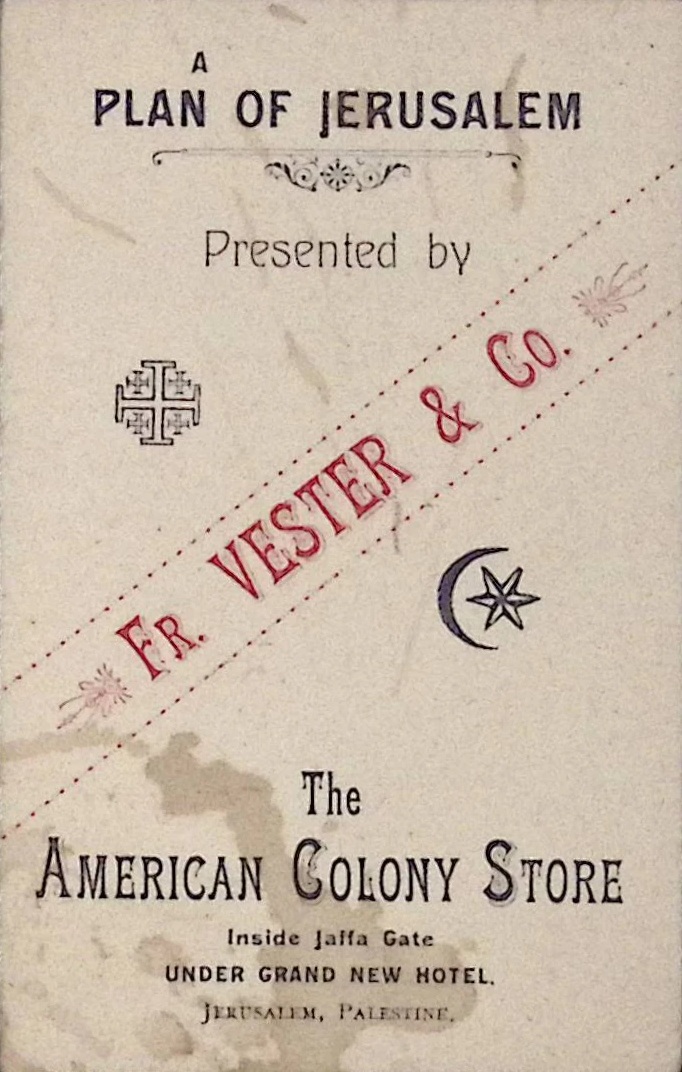
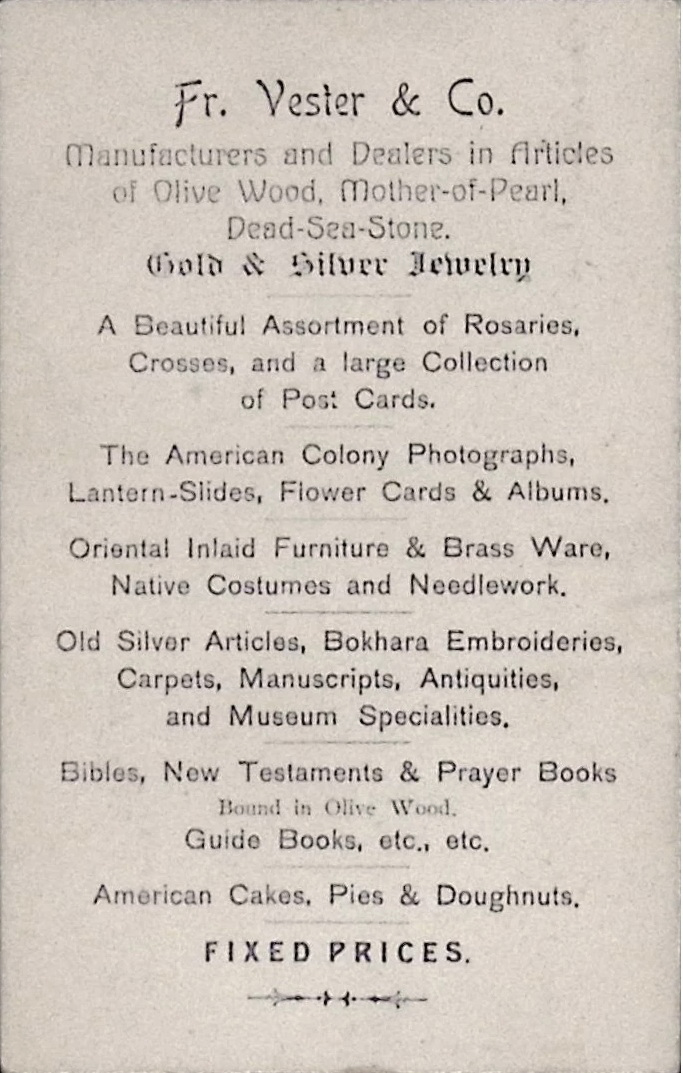
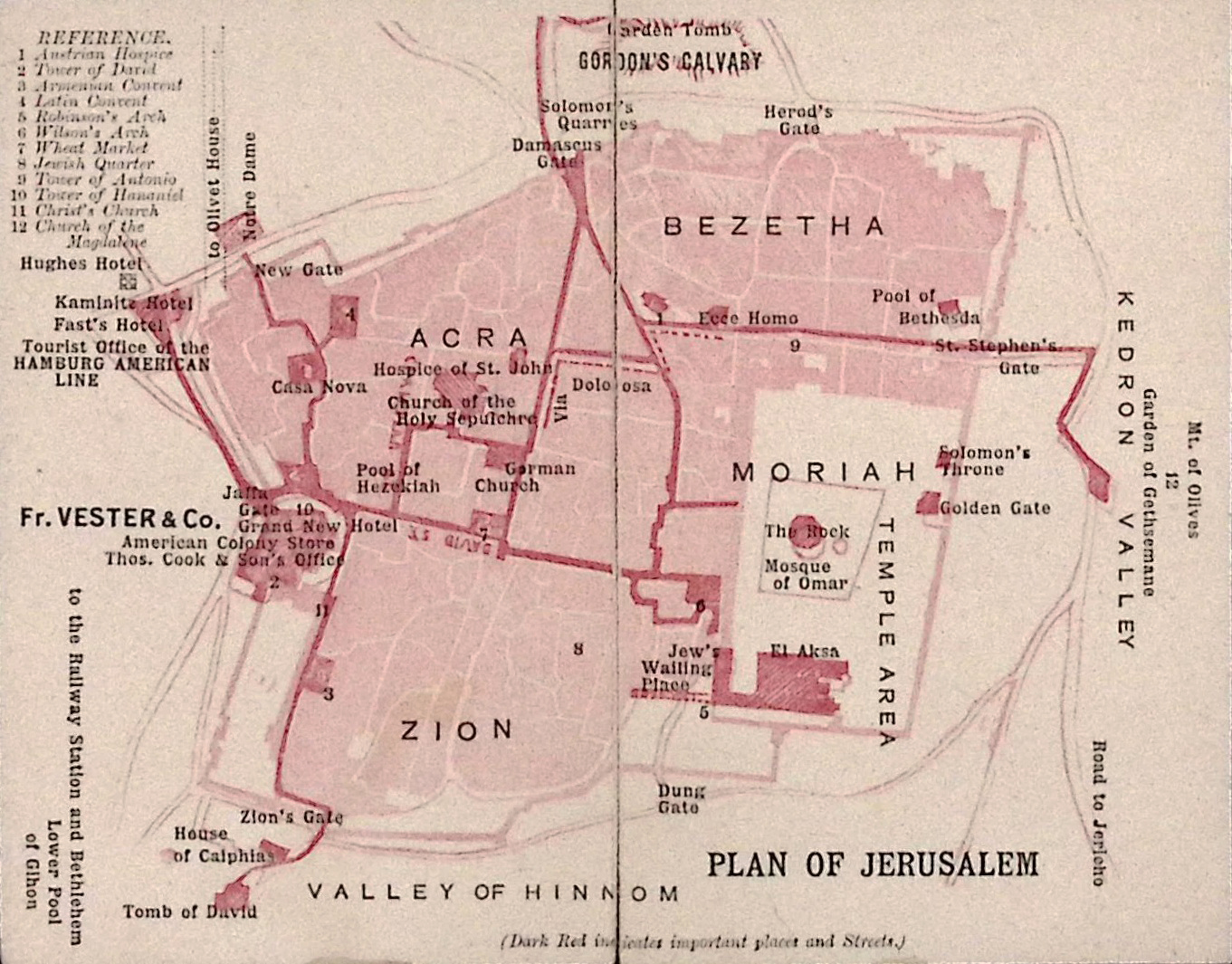
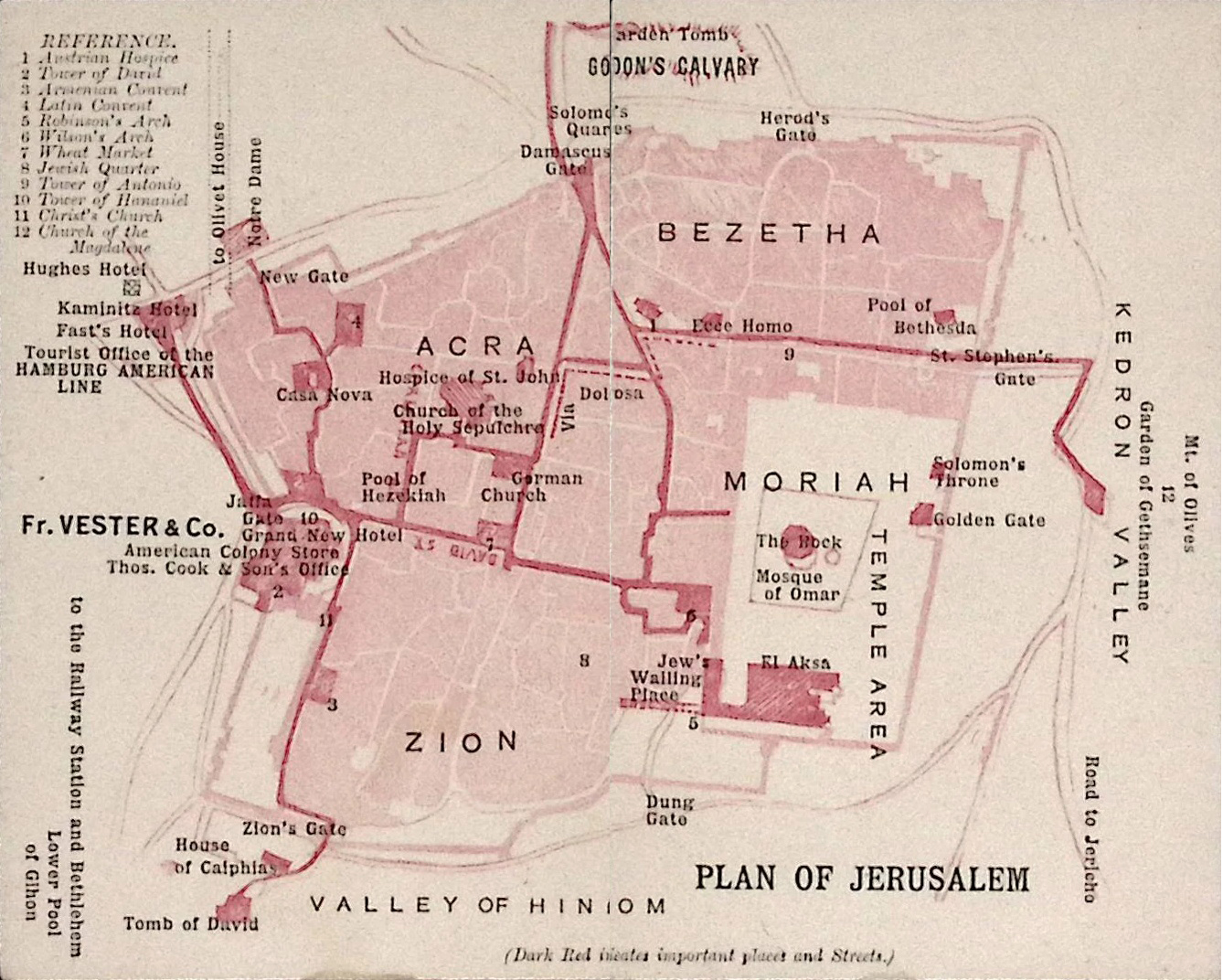
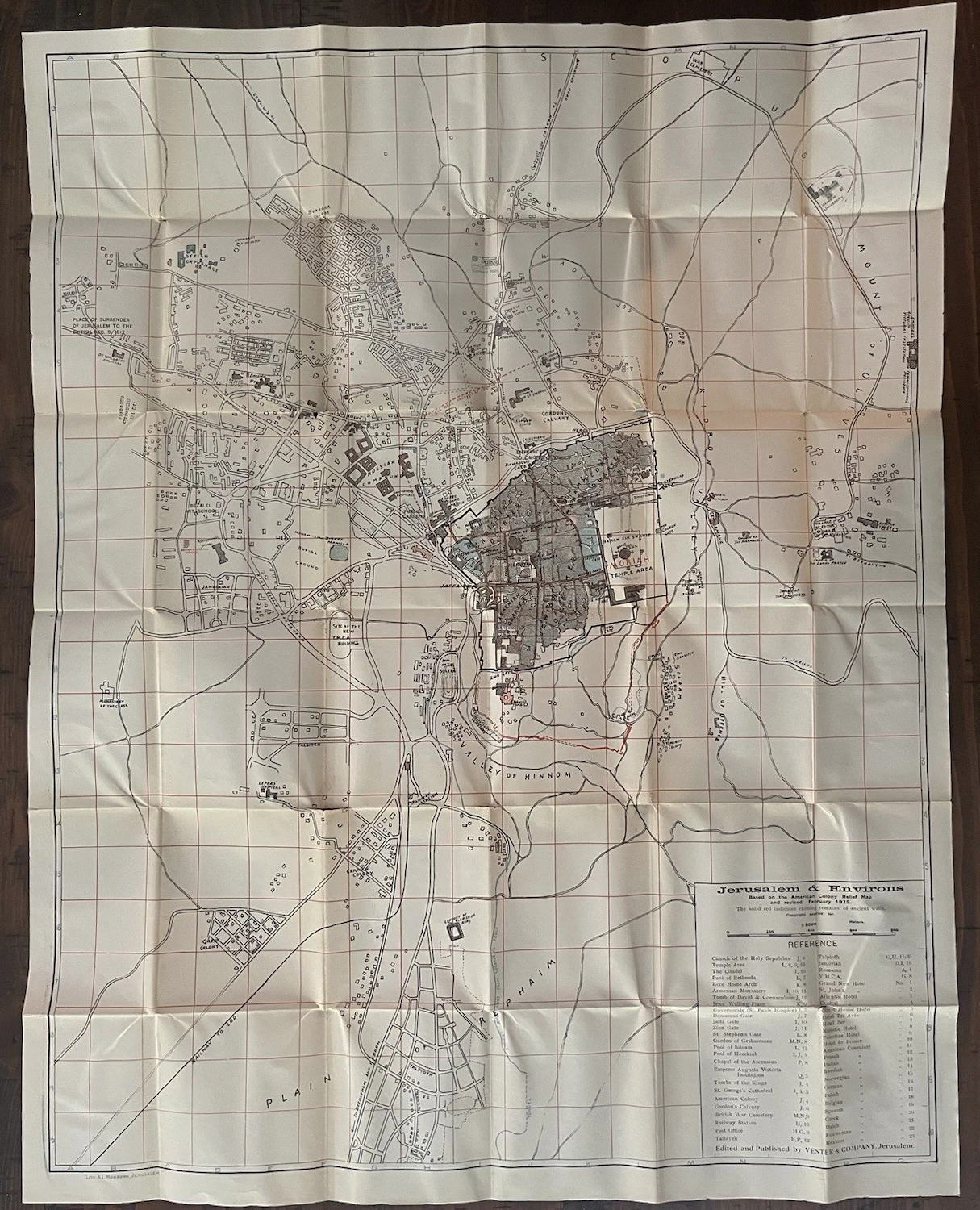
Tourist / pilgrim map of Jeruselem sold by their store, the income from these activities helping to finance their charitable endeavours.
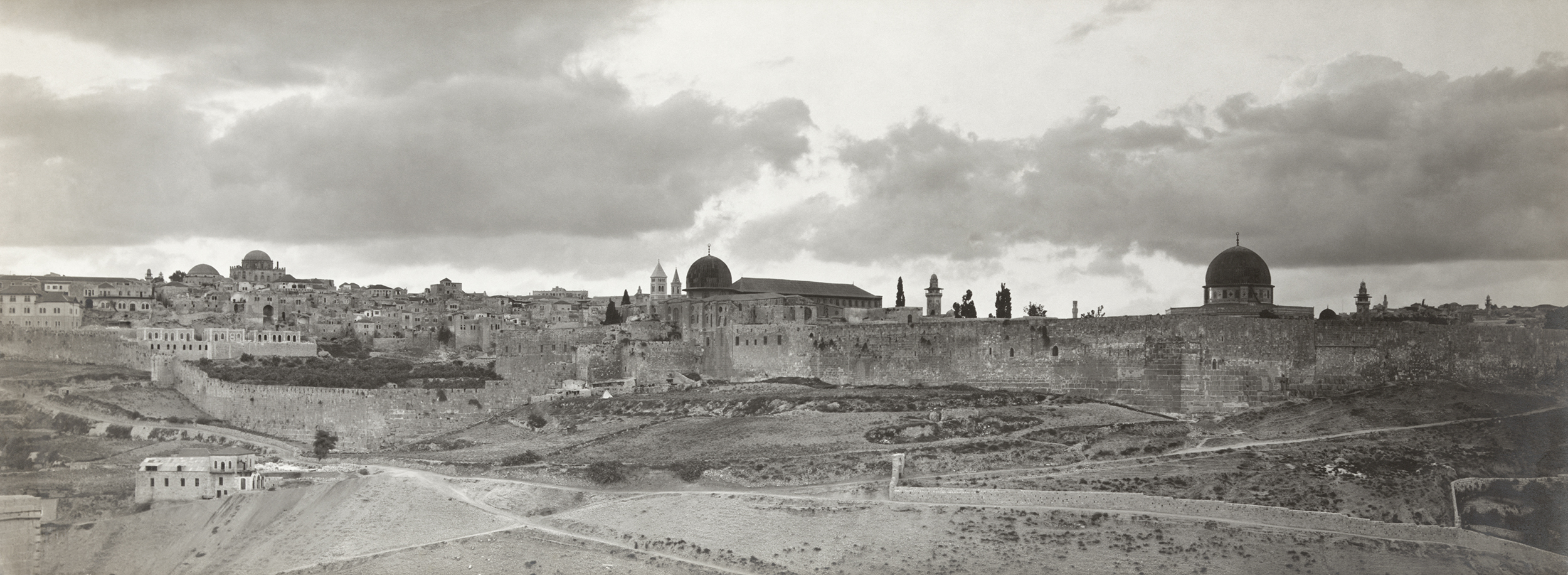
Panorama of Jerusalem, c. 1900–1940 by American Colony Jerusalem.
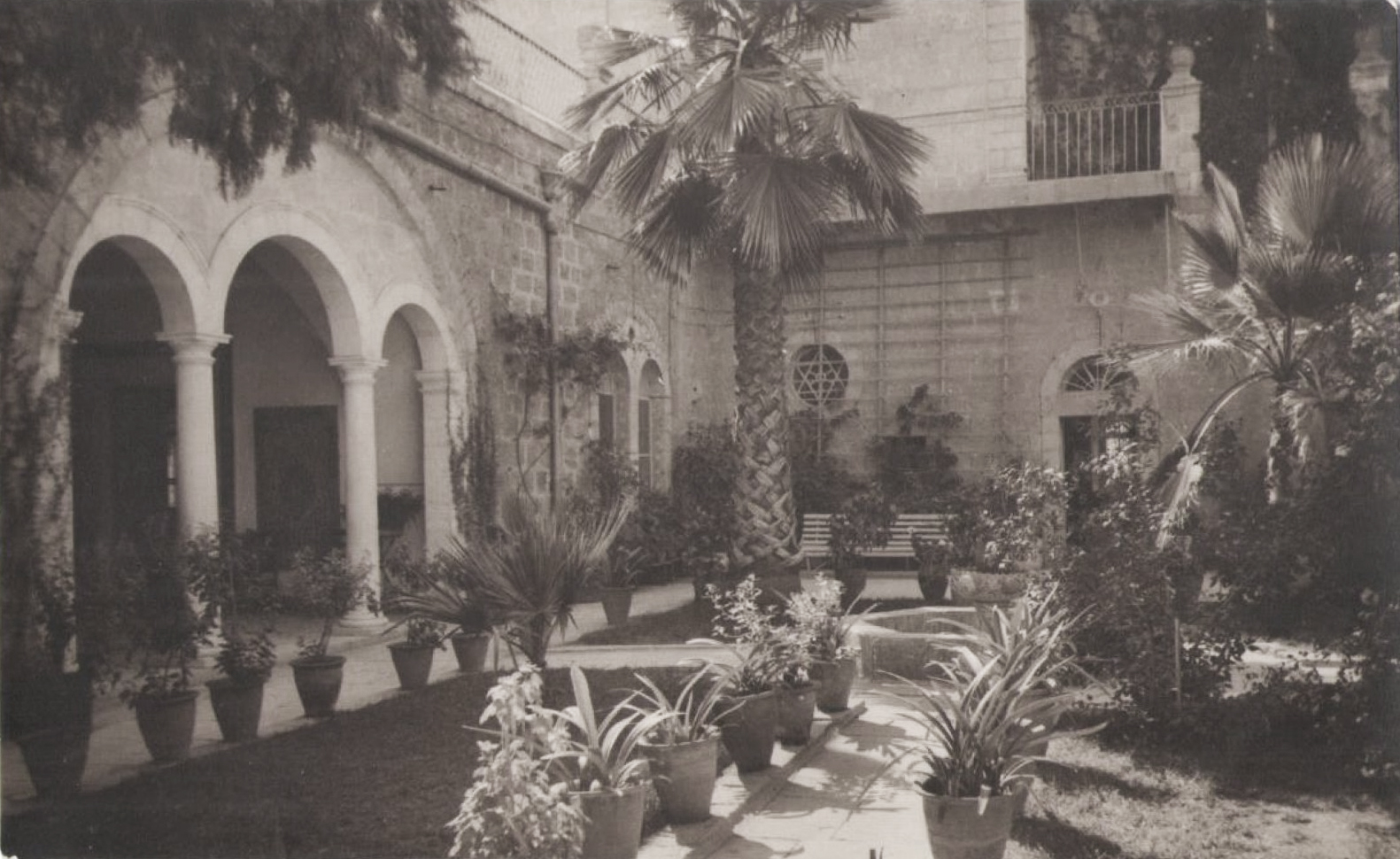
The courtyard of the original colony house.
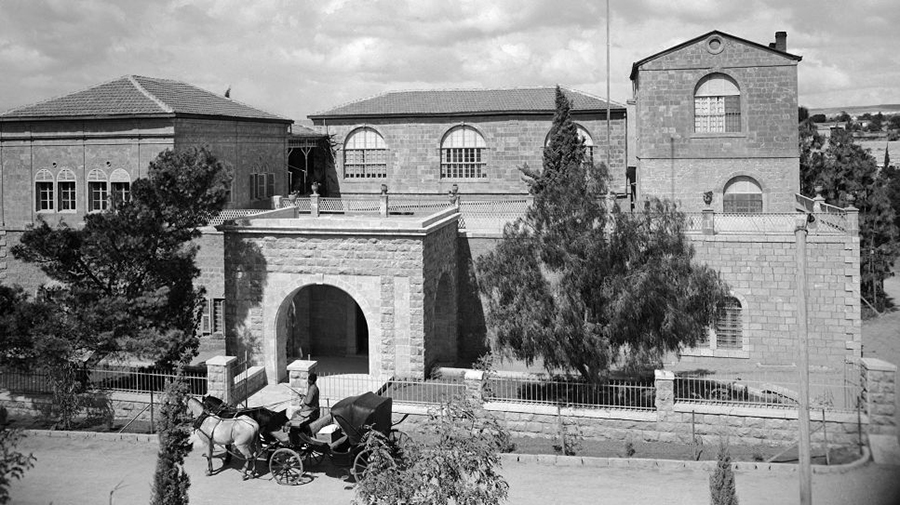
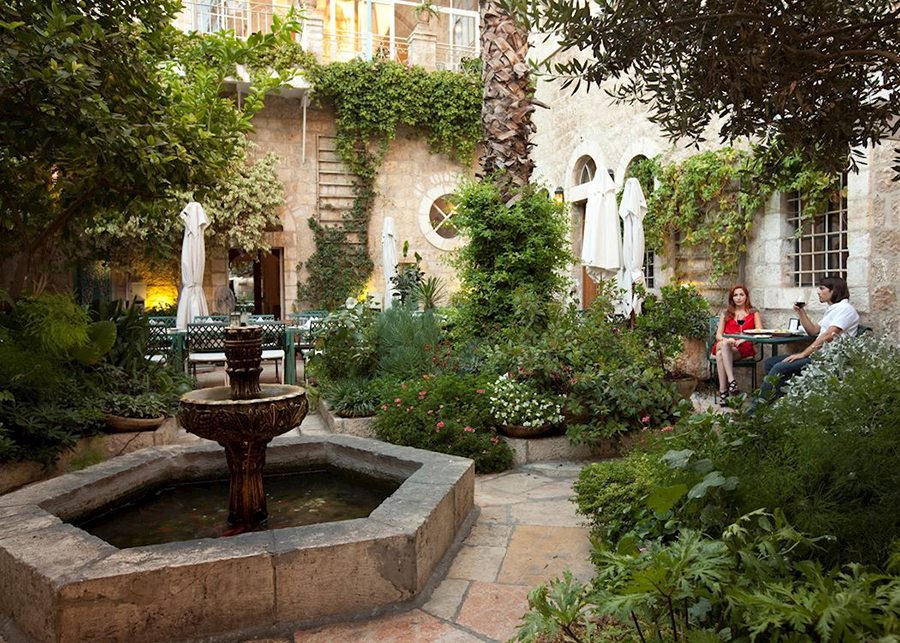
The building would later become a hotel and a view of the garden area today.
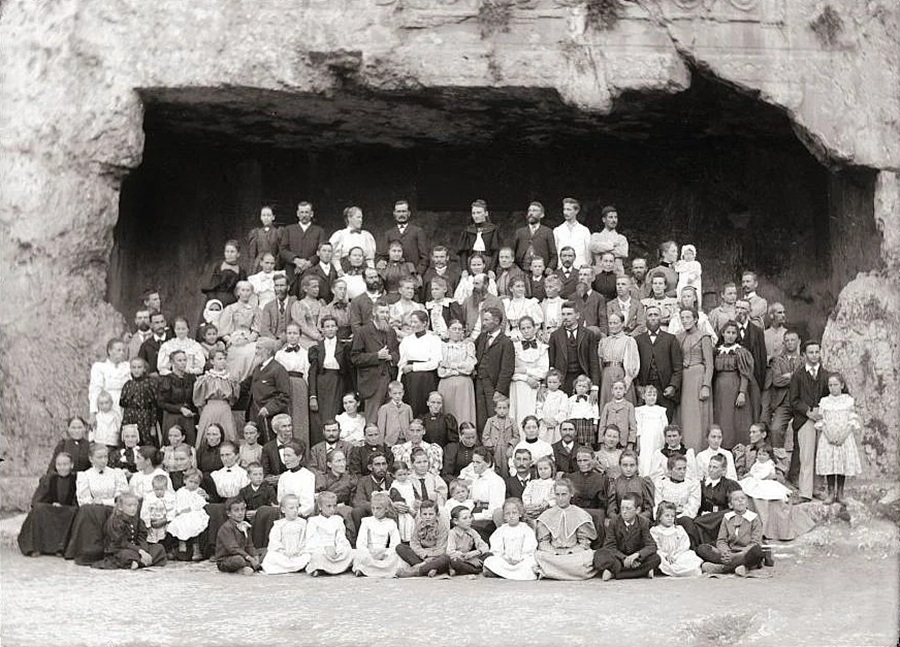
The extended community of the American Colony posing in the Tombs of the Kings in Jerusalem. The community continued to pose for group photographs, a valuable chronological source for descendants and researchers.
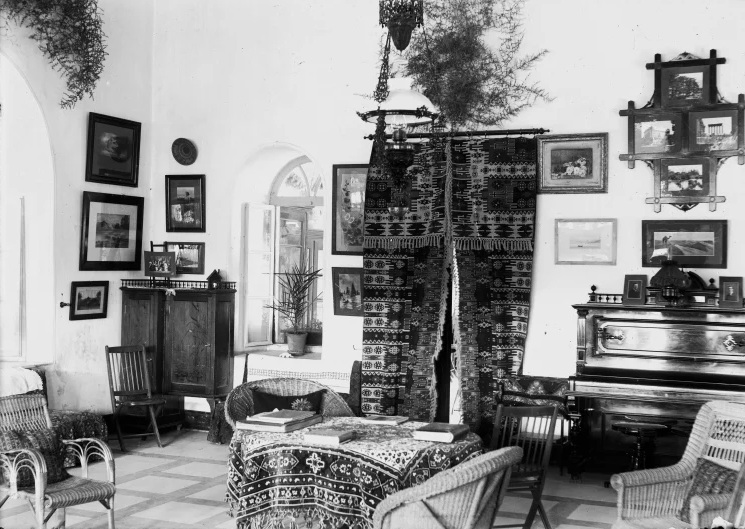
The American colony salon, 1900-1920.
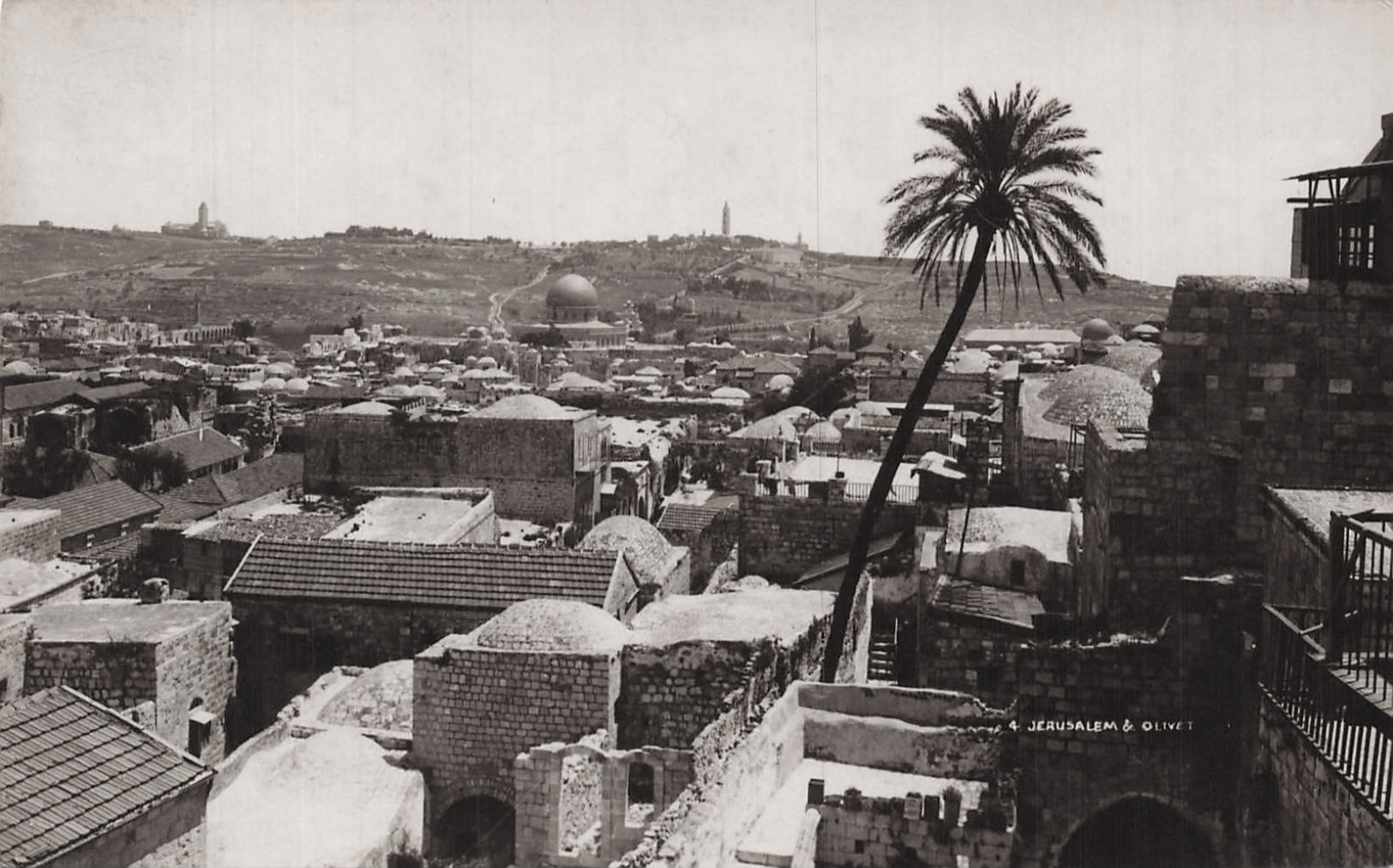
View of Jerusalem and Mount of Olives.
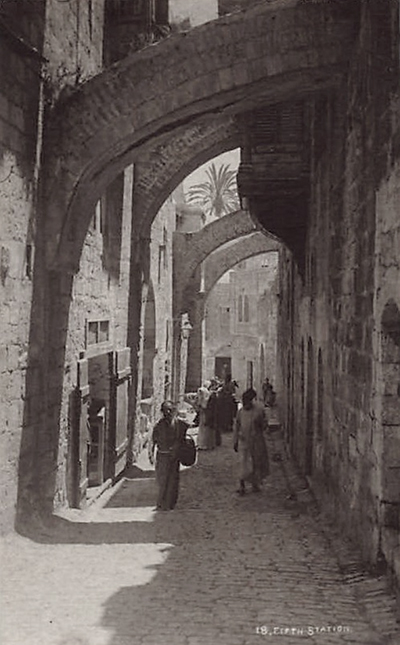
Christ’s 5th station.
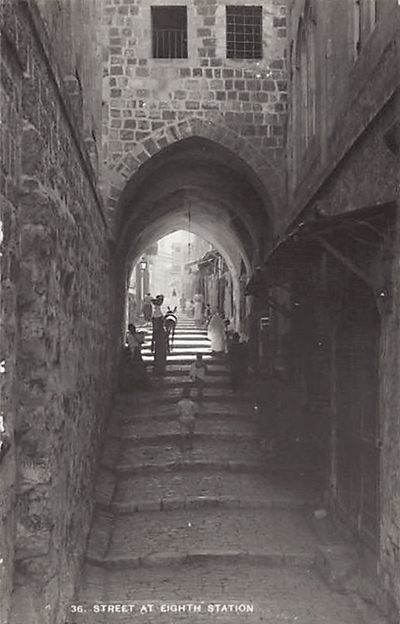
Christ’s 8th station.
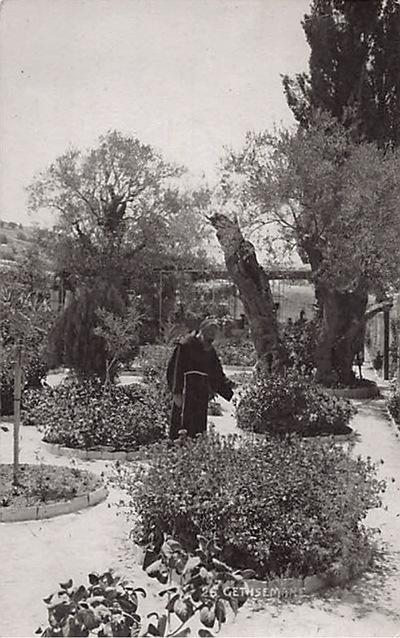
The garden of Gethsemane.
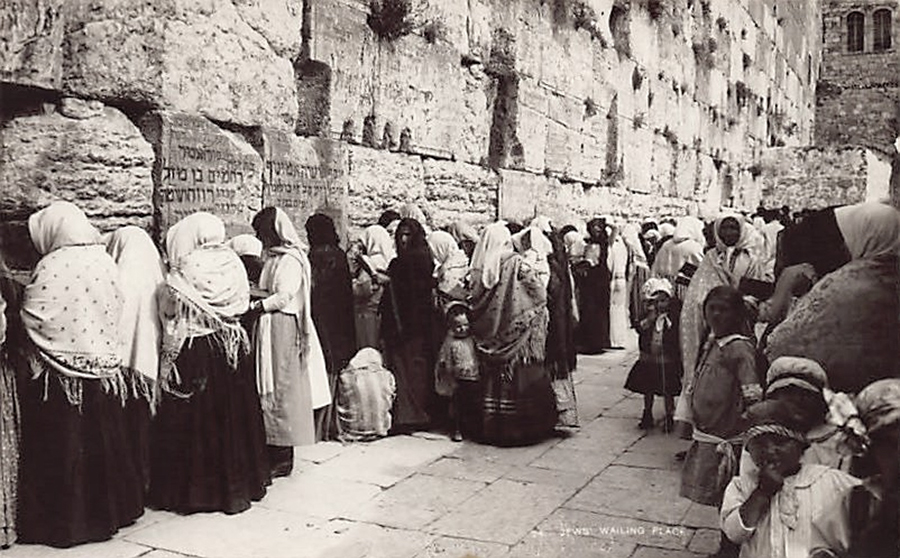
Jews’ wailing wall.
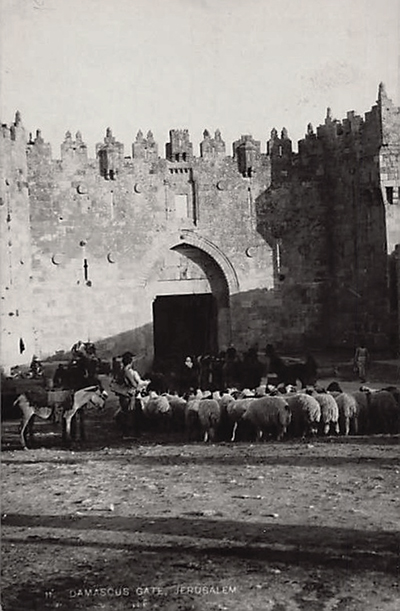
Damascus gate of Jerusalem.
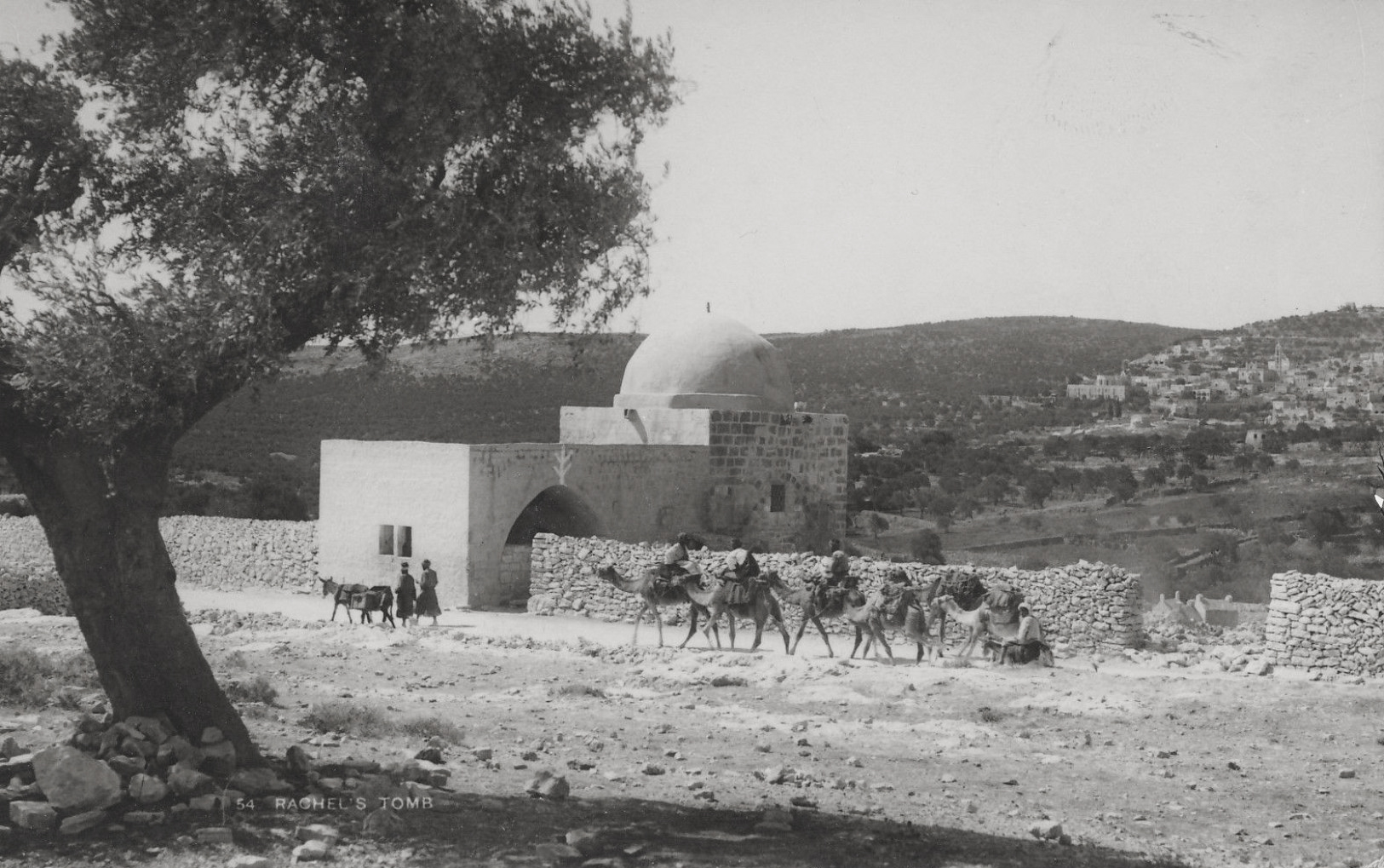
Rachel’s tomb.
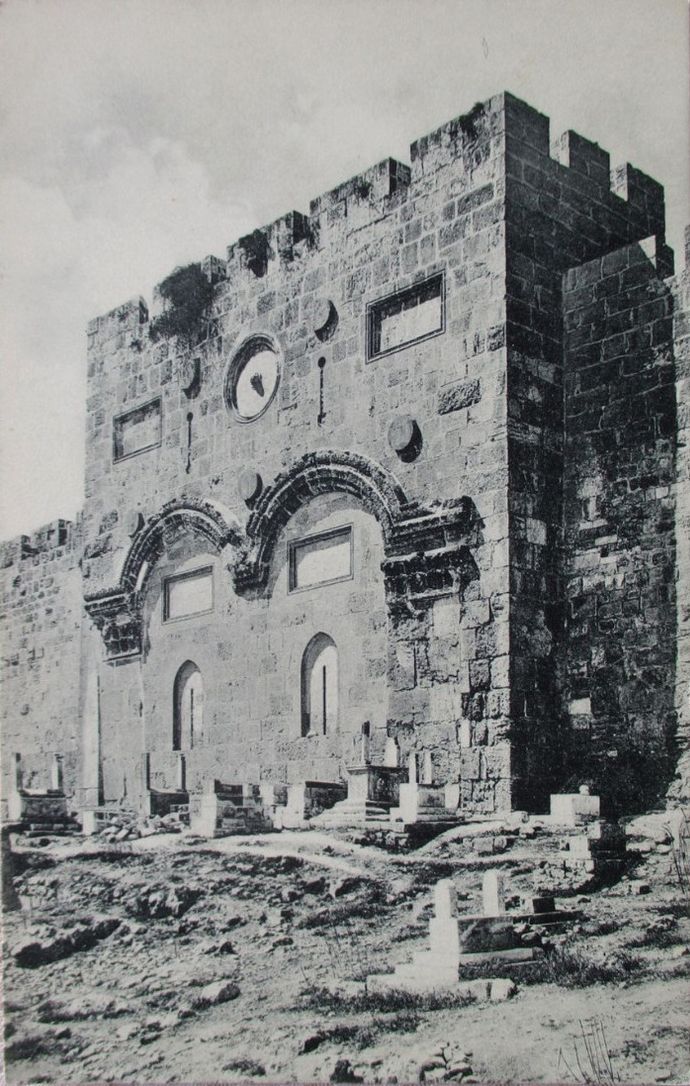
Jerusalem, Golden Gate.
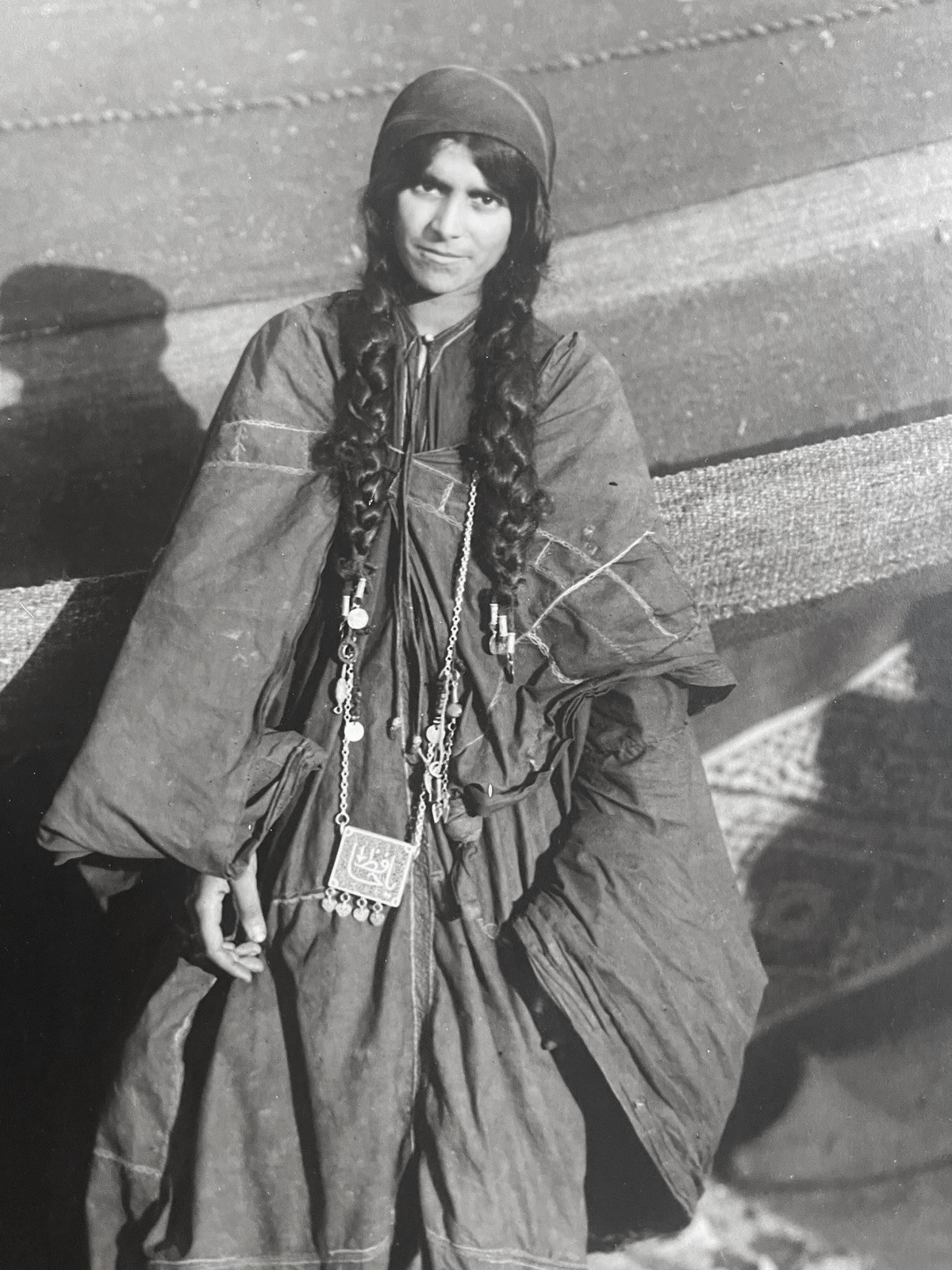
Bedouin woman.
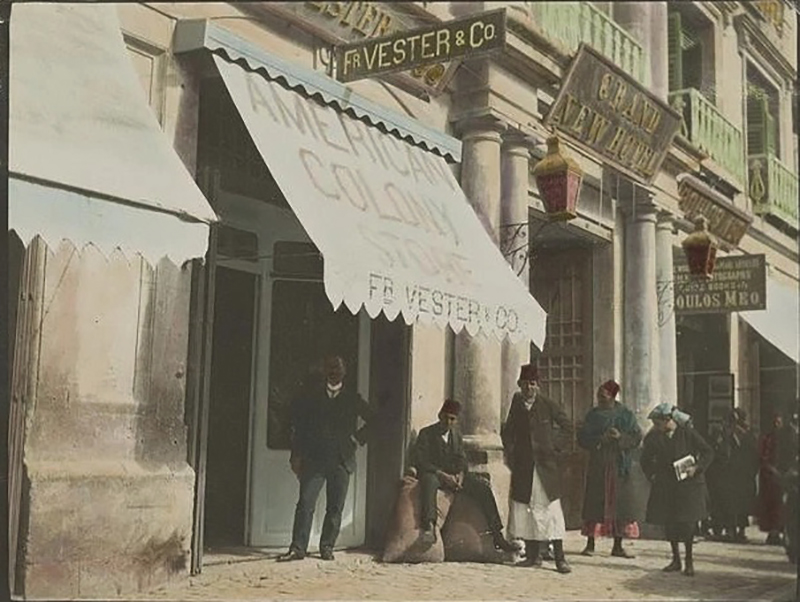
The American Colony store, Jerusalem, with Frederick Vester standing out front.
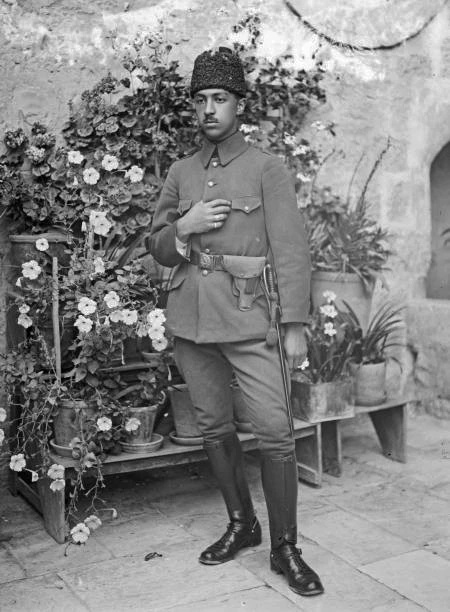
Turkish officer in American Colony yard.
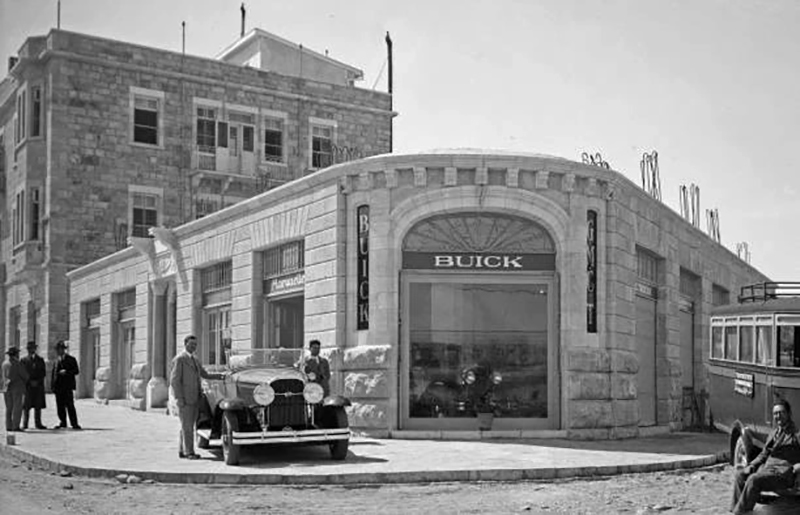
Front of American Colony Buick dealership in Jerusalem.